By The Rio Times | Created at 2026-08-13 10:36:59 | Updated at 2026-08-13 12:14:01
1 hour ago
By The Rio Times | Created at 2026-08-13 10:36:59 | Updated at 2026-08-13 12:14:01
1 hour ago
Europe · Inflation
Key Facts
- Price spike German fuel prices rose 11.2% month-on-month in July 2026, with diesel up 12.6% and gasoline up 11.0%.
- Subsidy end The jump came from the expiry of a government fuel-tax relief on 30 June 2026, plus higher oil prices after the war with Iran.
- Ecuador budget Fuel subsidies in the 2026 budget total about US$1.16 billion, down from roughly US$2.5 billion in 2025.
- Ecuador deficit The central bank reported a US$757.1 million negative balance on imported fuel derivatives from January to May 2026.
- Bolivia cost Fuel subsidies cost about US$2.5 billion a year, or roughly US$7 million per day.
- Bolivia reform Diesel rose from 3.72 to 9.80 bolivianos per litre (US$0.54 to US$1.42), and regular (Especial) gasoline from 3.74 to 6.96 bolivianos (US$0.54 to US$1.01).
- IMF deal Bolivia and the IMF reached a US$1.9 billion agreement on 29 July 2026.
The German number is a warning, not a curiosity. When a government ends a fuel subsidy, the price statistic moves fast, and the central bank has no choice but to react. Latin America is watching the same script play out in real time.
You know the feeling of watching a price tag change overnight. In Germany, that change was official: fuel prices jumped 11.2% in a single month, and the cause was not an oil shock but a fiscal decision — the end of a government fuel subsidy. For Latin America, the lesson is direct: the same instrument that cushions your pump price today becomes tomorrow’s inflation statistic, and the central bank is the one left to clean up.
One-stop reference
Company Intelligence
Every listed company in Latin America — financials, ownership and structure for 1,450+ companies across 26 exchanges, in one place.
The German numbers tell a clean story
Germany’s federal statistics office, Destatis, published the July 2026 inflation release with a striking figure. Fuel prices rose 11.2% month-on-month, diesel climbed 12.6%, and gasoline or petrol went up 11.0%.
Energy overall rose 5.0% in that single month. The driver was not a sudden spike in crude prices alone, though the war with Iran did push oil higher.
The main cause was the end of the government’s fuel subsidy and tax relief on 30 June 2026. When the relief expired, the full cost of fuel returned to the pump at once.
That is the cleanest possible demonstration of how a fiscal choice becomes a price statistic. No supply disruption, no refinery fire, no OPEC decision — just a policy that stopped, and prices that jumped.
For a central bank, the reaction is forced. Inflation shows a sharp monthly rise.
The monetary authority must decide to look through it or raise rates.
The same instrument runs through Latin America
Fuel subsidies are not a European quirk. They are a core fiscal tool across Latin America, and the trade-offs are identical.
Ecuador is the clearest case. The 2026 budget allocates about US$1.16 billion for fuel subsidies, down from roughly US$2.5 billion in 2025.
That is a dramatic cut, and it shows in the numbers.
The Banco Central del Ecuador reported a US$757.1 million negative balance on imported fuel derivatives in the first five months of 2026. That gap is the difference between what the country pays for imports and what it earns from domestic sales.
Per-gallon subsidies ran for the window from 12 July to 11 August 2026. They were about US$1.04 for premium diesel, US$0.62 for Extra gasoline, and US$0.857 for Ecopaís.
These are not abstract figures; they are the monthly cost of keeping prices below market levels.
When Ecuador trims those subsidies, the price at the pump moves, and the inflation statistic follows. The central bank then faces the same dilemma as Germany’s Bundesbank, but with a weaker currency and less fiscal space.
Bolivia shows the endgame of a long subsidy
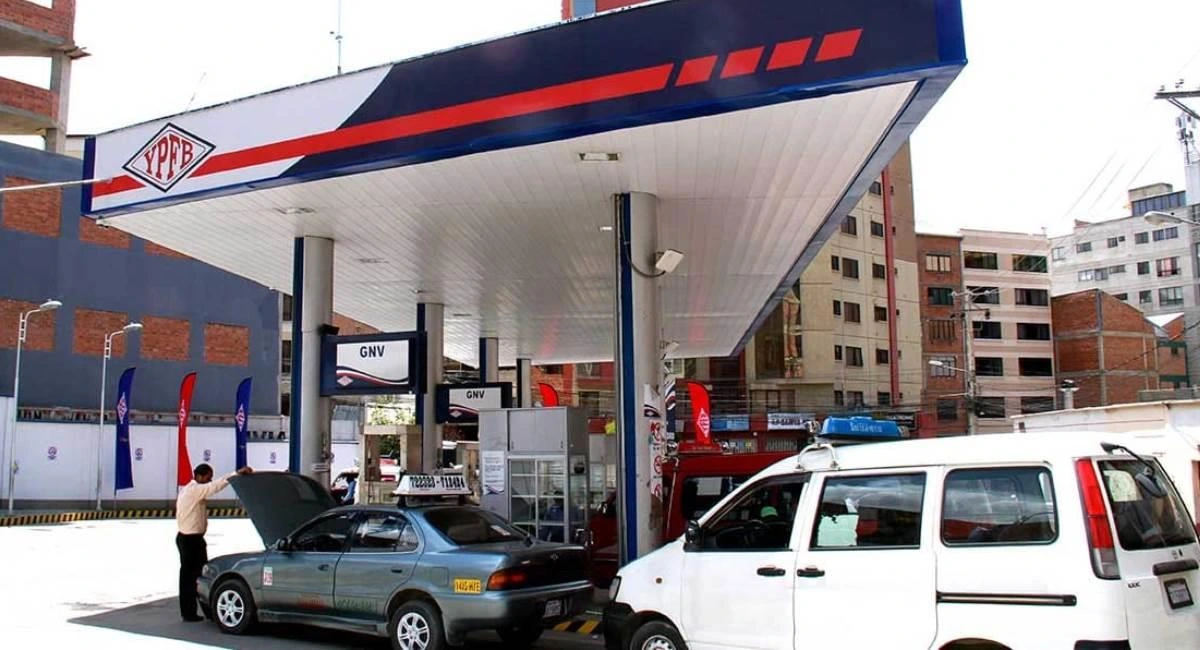
Bolivia has run fuel subsidies for years, and the bill is enormous. The cost is roughly US$2.5 billion a year, or about US$7 million per day.
That is a heavy burden for a small economy, and the government finally moved. Diesel rose from 3.72 to 9.80 bolivianos per litre (US$0.54 to US$1.42).
Regular (Especial) gasoline went from 3.74 to 6.96 bolivianos (US$0.54 to US$1.01).
The change is not just a price hike; it is a structural shift. A 2026 decree opened fuel imports to the private sector, ending the state’s exclusive control over fuel imports.
That decree is a recognition that the state could no longer carry the import bill alone. The subsidy gap on imported fuels drained finances.
The reform also reshaped the budget. Bolivia set aside about 14 billion bolivianos (about US$2 billion) for fuel imports in 2026.
That was down from 26.2 billion (about US$3.8 billion) the year before.
That is the other side of the subsidy story. Money spent keeping prices low cannot be used elsewhere.
When the subsidy ends, that money returns to the budget, but the price statistic jumps.
Bolivia’s timing matters. On 29 July 2026, Reuters reported Bolivia and the IMF reached a US$1.9 billion agreement.
The country faced its deepest crisis in decades.
That deal is the backdrop for the subsidy reform, and it shows how fiscal pressure forces policy change.
The central bank trap: a fuel subsidy end is an inflation shock
Here is the trap that Germany just demonstrated and Latin America keeps walking into. A government ends a fuel subsidy to save money, and the price statistic jumps in the same month.
The central bank then faces a choice. It can raise rates to fight inflation, which slows the economy.
Or it can look through the spike and risk de-anchoring expectations.
Germany’s central bank has credibility and a strong currency, so it can absorb the shock with less damage. A Latin American central bank does not have that luxury.
In Ecuador, the central bank is already reporting a negative balance on fuel imports. That is a fiscal problem that becomes a monetary problem when the subsidy is cut.
In Bolivia, the subsidy end comes with an IMF deal, which usually means conditions on fiscal discipline. The central bank will have to manage the inflation spike while the government adjusts to the new price level.
The sequence is always the same. First, the subsidy ends.
Second, the price statistic jumps. Third, the central bank reacts.
Fourth, the economy slows or the currency weakens, or both.
Germany’s July 2026 data is a textbook example of the first two steps. The third and fourth steps are already visible in Latin America.
Argentina is the missing case, and the warning
Argentina has been cutting fuel subsidies for years, but the official figures are not in the public record the way Germany’s are. The direction is clear, though, and the mechanism is identical.
When a government like Argentina’s reduces fuel subsidies, the pump price rises, and the inflation statistic follows. The central bank then has to decide how much of that price rise to fight with interest rates.
Argentina’s history with inflation makes the trap more dangerous. A fuel subsidy end in a country with already-high inflation is not a one-month blip; it becomes part of a wage-price spiral.
Germany can absorb an 11.2% monthly fuel price jump because its inflation is otherwise low and its institutions are strong. Argentina does not have that buffer.
Ecuador and Bolivia are somewhere in between. They share the same fiscal logic — end the subsidy, save money.
But they face the same monetary consequence: a price spike the central bank must manage.
The German data is not an outlier. It is a controlled experiment showing what happens when a fuel subsidy ends.
The result is a clean, measurable jump in the price statistic.
Latin America should read that experiment carefully. The same instrument is everywhere in the region, and the same endgame is coming.
The Latin America read: subsidy reform is inflation policy
For investors and expats watching Latin America, the German numbers are a useful lens. When a government announces fuel subsidy reform, the first effect is not fiscal; it is inflationary.
That inflation shows up in the central bank’s next decision. A rate hike may follow, and that affects everything from bond yields to currency values.
Ecuador’s 2026 budget cut fuel subsidies by more than half, from US$2.5 billion to US$1.16 billion. That is a massive fiscal adjustment, and it will show up in the price data.
Bolivia’s subsidy end is even more dramatic, with diesel prices more than doubling. The inflation effect will be sharp, and the central bank will have to respond.
The key insight is that a fuel subsidy is not just a fiscal line item. It is a price control, and when you remove a price control, the price jumps.
That jump is not a market failure. It is the correction of a distortion, and it arrives all at once rather than gradually.
The German case shows the correction in its purest form. The subsidy ended on 30 June, and the price statistic jumped in July.
No ambiguity, no lag, no debate.
Latin America should expect the same pattern. When Ecuador or Bolivia or Argentina ends a fuel subsidy, the price statistic will jump, and the central bank will react.
That is not a prediction; it is a mechanical consequence of the policy. The only question is how each central bank manages the aftermath.
Germany’s central bank has the tools and the credibility to manage it. Latin America’s central banks have less room, and the cost of getting it wrong is higher.
The lesson for investors is simple. Watch the subsidy calendar, not just the oil price.
When a fuel subsidy ends, the inflation data will follow, and so will the central bank.
That is the clean case study that Germany just provided, and Latin America is already living it.
Frequently Asked Questions
Why did German fuel prices jump 11.2% in July 2026?
The jump came from ending fuel-tax relief and subsidy on 30 June 2026. Higher oil prices after the war with Iran also contributed.
Destatis, the federal statistics office, reported the 11.2% month-on-month rise for fuel, with diesel up 12.6% and gasoline up 11.0%.
How much does Ecuador spend on fuel subsidies?
Ecuador’s 2026 budget allocates about US$1.16 billion for fuel subsidies, down from roughly US$2.5 billion in 2025. The central bank also reported a US$757.1 million negative balance on imported fuel derivatives from January to May 2026.
What happened to fuel prices in Bolivia?
Bolivia raised diesel from 3.72 to 9.80 bolivianos per litre (US$0.54 to US$1.42). Regular (Especial) gasoline went from 3.74 to 6.96 bolivianos (US$0.54 to US$1.01).
The government also moved in 2026 to open fuel imports to the private sector.
How does a fuel subsidy end affect the central bank?
When a fuel subsidy ends, the price statistic jumps in the same month, as Germany’s July 2026 data shows. The central bank then faces a choice: raise interest rates to fight the inflation or risk de-anchoring expectations.
In Latin America, that choice is harder because currencies are weaker and inflation is often already high.
Sources: Destatis; Banco Central del Ecuador; Petroecuador and ARCH; Reuters; International Monetary Fund; the Bolivian government.