By The Rio Times | Created at 2026-06-18 08:23:27 | Updated at 2026-06-18 18:55:14
10 hours ago
By The Rio Times | Created at 2026-06-18 08:23:27 | Updated at 2026-06-18 18:55:14
10 hours ago
Metropole · Culture
—The strategy. Caribbean governments increasingly treat reggae, soca and carnival as a tourism industry, not just a cultural inheritance.
—The goal. Jamaica has set a target of 8 million visitors by 2030, with music tourism named as a lead channel for getting there.
—The flagship. Reggae Sumfest, the region’s biggest music festival, runs a stripped-down one-night edition this year on July 18.
—The storm. The festival moved from Montego Bay to Plantation Cove in St Ann after Hurricane Melissa battered the western coast last October.
—The reach. Jamaica has lined up more than 160,000 airline seats from the United Kingdom and continental Europe for the summer season.
—The neighbours. Barbados and Trinidad run the same playbook through Crop Over and Carnival, branding it an “orange economy.”
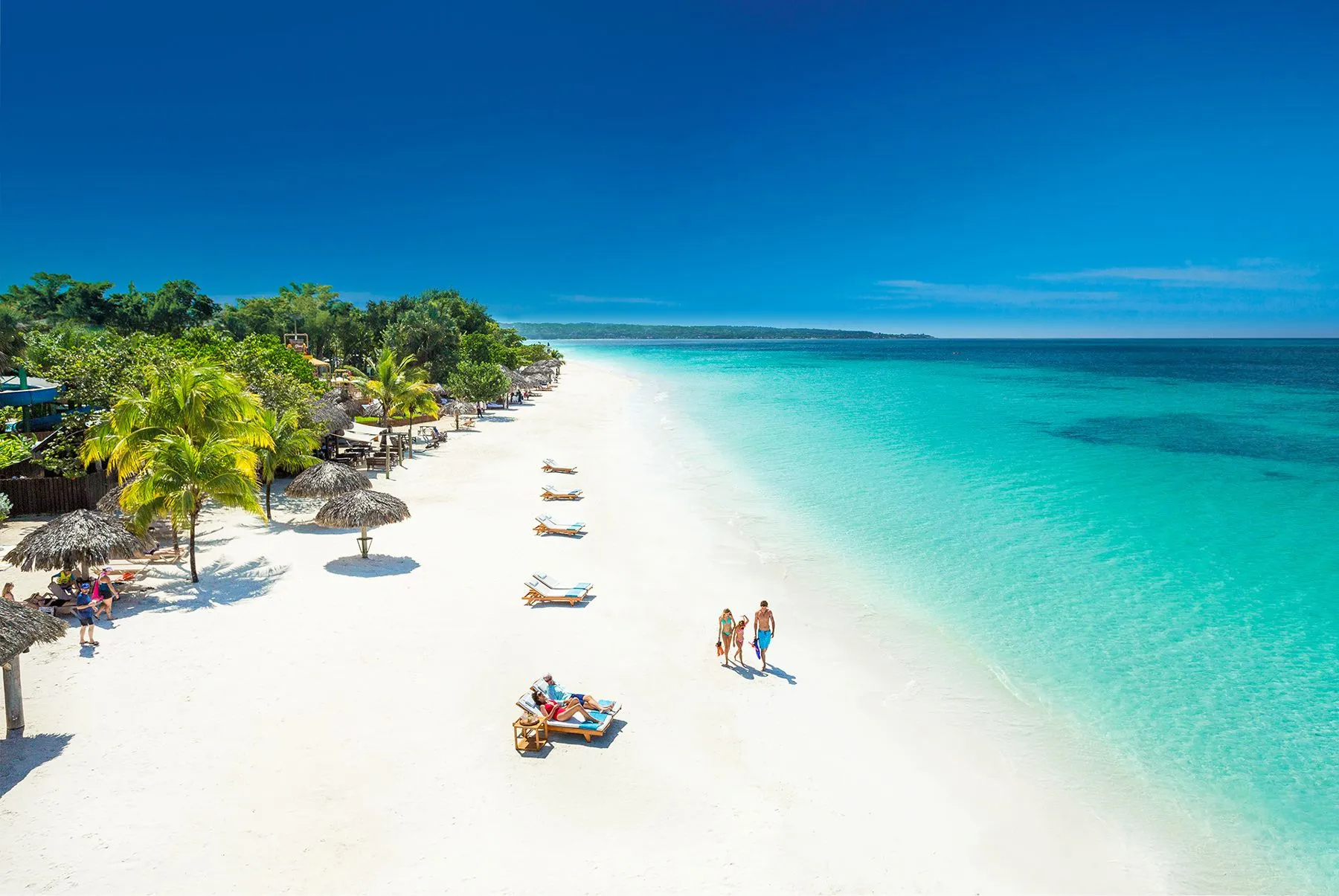
Across the islands, Caribbean music tourism has become a deliberate economic strategy, turning festivals like Jamaica’s Reggae Sumfest into engines for visitors, airline seats and foreign currency.
Why Caribbean music tourism is now an economic plan
For decades the Caribbean sold sun and sand. Increasingly it is selling sound, treating reggae, dancehall, soca and carnival as a tourism industry to be planned and grown rather than a happy accident of culture.
Jamaica is the clearest example. Its government has set a goal of reaching 8 million visitors by 2030, and officials describe music as one of the main channels for drawing those travellers in.
The logic is simple. A festival lineup gives a foreign visitor a reason to pick a date, book a flight and stay a week, spending across hotels, transport, food and nightlife while they are there.
That turns a cultural asset into a measurable export. The island has lined up more than 160,000 airline seats from the United Kingdom and continental Europe for the summer travel season alone.
A flagship festival forced to recalibrate
The test case this year is Reggae Sumfest, founded in 1993 and now the largest music festival in the Caribbean. It usually runs as a week-long event in Montego Bay, drawing tens of thousands of fans from around the world.
This year it is different. The 2026 edition is a single night, billed as “A Taste of Reggae Sumfest,” staged on July 18 at Plantation Cove in the parish of St Ann, on the other side of the island.
The reason is a storm. Hurricane Melissa struck on October 28 last year and damaged hotel and event infrastructure along the western coast, including around Montego Bay, the festival’s traditional home.
Organiser Joe Bogdanovich, of Downsound Records, framed the move as a recalibration rather than a relocation. He said staging one strong night elsewhere would let the west rebuild while keeping the brand alive.
Two dancehall legends and a global pivot
The one-night bill leans on nostalgia and star power. Headliners Vybz Kartel and Mavado, fierce rivals during dancehall’s so-called Gully and Gaza era, share a single stage, a reunion pitched as a celebration of a defining chapter in Jamaican music.
The organisers are also using the moment to push the brand outward. They plan to take “A Taste of Reggae Sumfest” abroad as pop-up showcases in international markets, exporting the festival rather than only importing fans.
That pivot matters because it widens the audience beyond people who can fly to Jamaica. For a small island economy, taking the product to overseas cities is a way to keep the brand earning even in a difficult year.
It also reflects a wider lesson the region keeps relearning. The music is the durable asset; the venue, the format and even the host city can change around it without breaking the appeal.
Barbados and Trinidad run the same playbook
Jamaica is not alone. Barbados leans on Crop Over, a festival rooted in the old sugar-cane harvest that now climaxes in the Grand Kadooment parade in early August, and treats it as a pillar of the tourism calendar.
Trinidad does the same with its soca-driven Carnival in February, long one of the region’s great spectacles. Officials increasingly label this cultural output an “orange economy,” the slice of the economy built on creativity and culture.
The shared idea is that heritage can be both preserved and monetised at once. A festival keeps a tradition alive while also filling hotel rooms, booking flights and supporting local vendors, musicians and artisans.
Why it matters for the visitor
For a traveller from London or Munich, the shift changes what a Caribbean trip can be. The pitch is no longer only a beach but a front-row seat to the birthplace of genres that shaped global pop.
It also rewards a little planning. Festival dates, venue changes and ticket tiers now move with the news, as this year’s storm-driven switch to St Ann shows, so checking the official source before booking is worth the effort.
The bigger point is about resilience. By treating music as an industry, these islands have built something that can bend around a hurricane and still draw the world, which is exactly the kind of durability investors and travellers both look for.
Frequently Asked Questions
What is Caribbean music tourism?
It is the deliberate use of festivals and musical heritage to attract visitors and spending. Islands like Jamaica, Barbados and Trinidad now build tourism strategy around reggae, soca and carnival rather than treating the music as a side attraction.
Why did Reggae Sumfest change its format this year?
Hurricane Melissa damaged Montego Bay’s hotel and event infrastructure last October. Organisers moved the 2026 edition to a single night at Plantation Cove in St Ann on July 18, to let the west coast rebuild while keeping the festival running.
Who is headlining Reggae Sumfest 2026?
The one-night event is headlined by dancehall stars Vybz Kartel and Mavado, former rivals from the Gully and Gaza era sharing one stage. Organisers also plan to take the brand abroad through international pop-up showcases.
The Rio Times · Power Map
See who really holds power in Latin America
Click to open the Power Map →