By Better Living | Created at 2026-10-10 15:47:11 | Updated at 2026-10-10 16:57:40
1 hour ago
By Better Living | Created at 2026-10-10 15:47:11 | Updated at 2026-10-10 16:57:40
1 hour ago
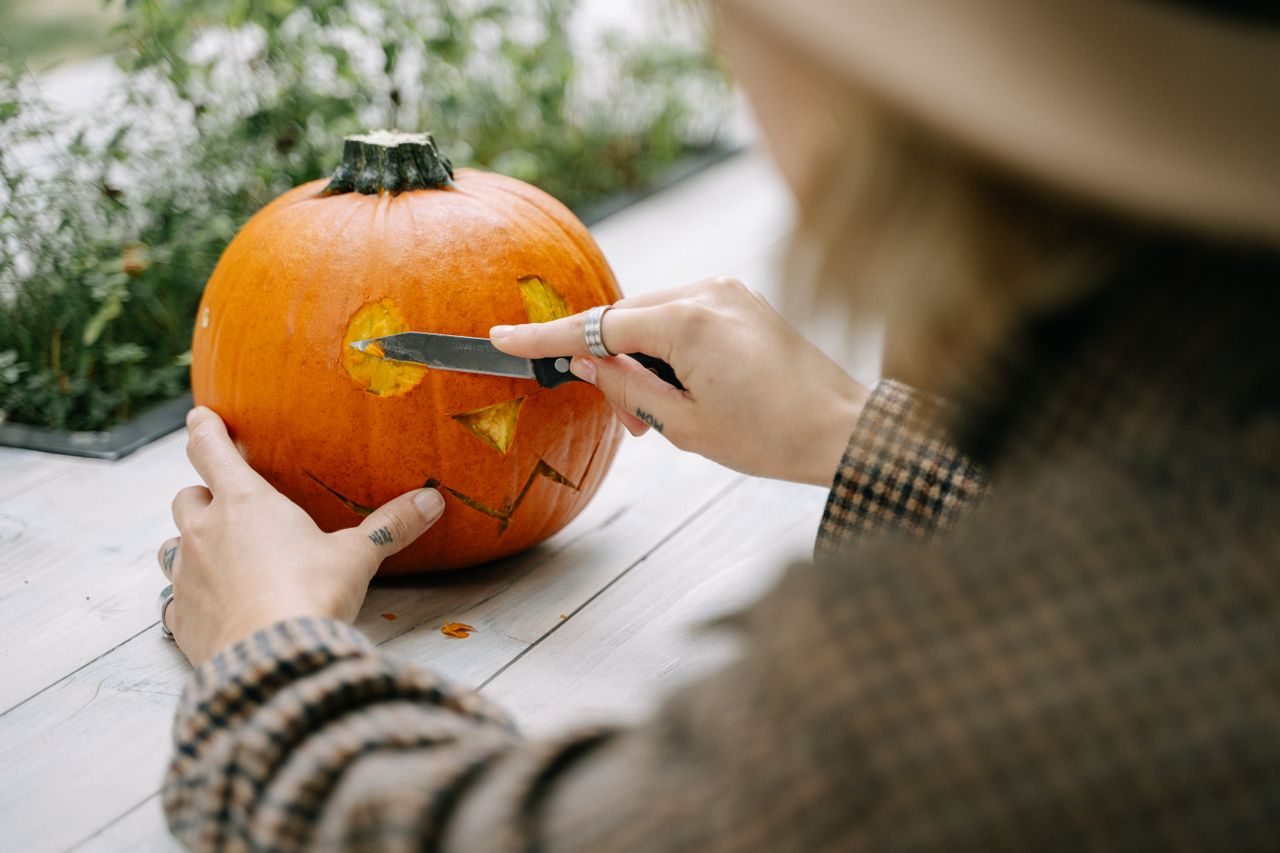
You spent an hour on the design, and a few days later it’s soft, sunken and fuzzy. Here is how to make your carved pumpkin last longer: start clean, seal the cut edges, keep it out of the sun and heat, and bring it in when the nights are warm. None of it is hard, and it can help the face hold up through Halloween.
The short answer: carve close to the big night, clean out and dry the inside, and keep the pumpkin cool and shaded, ideally around 50 to 60°F. A diluted bleach solution and petroleum jelly on the cut edges can help too. Even then, a carved pumpkin is perishable, and Utah State University Extension says one can start to wither and rot within a few days.
Six ways to keep a carved pumpkin fresh
1Carve close to the day
Verdict: the easiest win. NC State Extension suggests carving 8 to 10 days before your event at most. The longer a carved pumpkin sits, the more time its cut surfaces have to dry out or grow mold, so carving closer to Halloween is our practical advice. If you want ideas first, our pumpkin decorating ideas include no-carve options that last far longer. Our guide to picking a pumpkin covers choosing a firm, unblemished one to start with.
2Scoop it out and dry the inside
Verdict: do this first. Utah State University Extension says to remove all of the insides and sterilize your carving tools to limit mold, which it describes as a fungus whose spores travel through the air. NC State adds that you should dry the inside after scooping. A paper towel is enough. NC State also suggests not cutting the lid from the top. Cut the opening from the bottom or the back instead.
3Apply a diluted bleach solution
Verdict: worth it, with two cautions. First, bleach is not for a pumpkin that wildlife, compost or animals will get. NC State says to use a vinegar solution instead (10 parts water to 1 part vinegar, soaked 20 to 30 minutes). Second, never mix bleach with vinegar or other cleaners, and use each in its own container. Both Utah State and NC State recommend a 10 percent bleach solution, which NC State gives as 9 parts water to 1 part chlorine bleach. NC State says to wash the pumpkin in it before carving, then spray, wipe or submerge the carved pumpkin and let it dry. It adds that spraying daily helps preserve it longer. Wear gloves and keep the solution away from kids and pets.
4Rub petroleum jelly on the cut edges
Verdict: helpful, but not with a real flame. Utah State says rubbing petroleum jelly on the cut areas helps lock in moisture and slow drying. Wipe a thin layer on the edges and the inside of the cutouts. NC State warns not to use petroleum jelly or vegetable oil if you are lighting a real candle, because they are flammable. If you use jelly, use a battery or LED light.
5Keep it out of sun and heat
Verdict: yes, and swap the candle. NC State says to keep the pumpkin in a protected area away from direct sun, rain and frost, and notes that a candle’s heat can shorten its life. Utah State says heat from a candle can cook the pumpkin and speed spoilage, and suggests an electric light or glow stick. If you do use a real candle, NC State suggests poking small holes in the top to release some of the heat. A porch with some shade usually does better than a sunny step.
6Keep it cool, and bring it in on warm nights
Verdict: yes, and there is a number to aim for. South Dakota State University Extension recommends keeping a jack-o’-lantern at 50 to 60°F, because warmer temperatures speed up the growth of pathogens, while freezing temperatures (below 32°F) damage the pumpkin’s tissue. NC State adds that a carved pumpkin can be refrigerated when it is not in use. Bringing it into a cool garage or porch on a warm or wet evening, then setting it out again for trick-or-treat, is our practical way to stay in that range. Results vary with the pumpkin and the weather.
Quick tips before you start
- Check your pumpkin. Soft spots or a shriveled stem mean it will not last. NC State suggests picking a pumpkin with a green stem still attached.
- Use gloves for bleach. Rinse your tools, and keep the solution out of reach of kids and pets.
- Throw it out at the first mold. Fuzzy or slimy spots mean it has had its run.
Carved pumpkin questions, answered
How long does a carved pumpkin last?
It depends on the weather and how you care for it. Utah State says a carved one may start to wither and rot just a few days later, which is why we suggest carving close to Halloween.
See also
Does bleach really help?
Utah State and NC State both recommend a 10 percent bleach solution to kill microorganisms on the surface. It will not make a carved pumpkin last forever, but it can help slow mold.
Is petroleum jelly safe with a candle?
No. NC State warns that petroleum jelly and vegetable oil are flammable, so use it only with an electric light or glow stick.
Can you put a carved pumpkin in the fridge?
NC State says refrigeration is an option when the pumpkin is not in use. South Dakota State says to aim for 50 to 60°F, so a cool garage or porch can work too.
The bottom line
Carve late, scoop and dry the inside, apply a diluted bleach solution, seal the edges with petroleum jelly if you use a battery light, and keep the pumpkin around 50 to 60°F and out of the sun. Add a warm-night trip indoors and your carving has a much better shot at lasting to Halloween.

Better Living may earn commissions through affiliate links and may occasionally feature sponsored or partner content. If you make a purchase through our links, we may receive a small commission at no cost to you.