By The Free Press | Created at 2026-07-21 10:09:46 | Updated at 2026-08-15 14:29:24
3 weeks ago
By The Free Press | Created at 2026-07-21 10:09:46 | Updated at 2026-08-15 14:29:24
3 weeks ago
Produced by ElevenLabs using AI narration
It’s Tuesday, July 21. This is The Front Page, your daily window into the world of The Free Press—and our take on the world at large. Today: Jonathan Swan on how Trump decided to go to war. Aaron Renn on why America needs a new kind of public intellectual. Masih Alinejad on the Iranian killing machine operating in plain sight. And much more.
But first: The fight for American progressivism.
There are a series of consequential political fights raging in America at the moment. The midterm battle for the Senate and the House, of course. The arm-wrestle for the MAGA crown after Trump departs. The civil war in the Democratic Party. Within that third contest is another clash, and it may be the most intense of them all. It’s over control of the left wing of the Democratic Party, and what it means to be a progressive in 2026.
The stakes are huge. How it plays out will not only define the future of one of our major parties but the outer limits of mainstream politics in America. It could end somewhere constructive—or somewhere very dark. (Only yesterday, one of the leading media figures on the left, the streamer Hasan Piker, praised the mass murderer Mao Zedong as “one of the great leaders of this world.”)
Today, we are bringing you three dispatches about this fight.
First, Peter Savodnik reports from Maine, where Democrats are set to nominate another progressive to replace Graham Platner, the scandal-ridden Senate candidate who dropped out of the race after an ex-girlfriend’s rape allegation earlier this month. The oysterman is out; a logger, Troy Jackson, is in. Platner built a powerful movement brimming with anger. Peter reports from anti-ICE protests and the campaign trail. He talks to voters who “trust no one,” and are setting the running in the Democratic party, not just in Maine but nationwide.
Up next, River Page profiles a group he calls the “Anti-Platners.” While the disgraced faux-oysterman painted a false picture of himself as a blue-collar populist and relied overwhelmingly on a base of college-educated supporters, other left-populists on the ballot this fall aren’t quite so inauthentic. River travels to Nebraska to meet mechanic-turned-candidate Dan Osborn, and digs into other races where the Democrats have nominated a progressive candidate who is neither a socialist nor a fake. Read River’s piece on what he thinks the party could learn from a mechanic, a smoke jumper, and an ordinary firefighter.
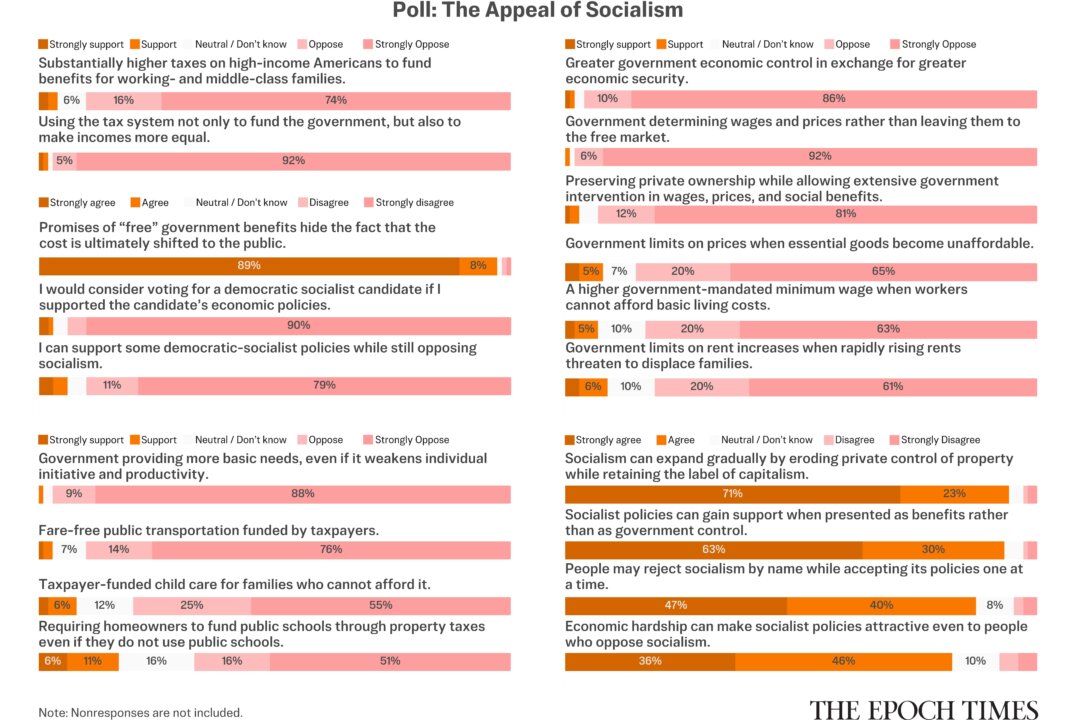
Candidates are one thing. The most important organization on the far left of our politics is the Democratic Socialists of America. They are on the march, with membership surging and their candidates winning primaries from New York to Colorado. But what they actually believe is the subject of much debate. The president calls them communists, plain and simple. Some of their defenders say they just want European-style welfare spending and an end to forever wars. There’s a simple way to settle the debate: Let the DSA explain itself. The group released a policy platform last week. We asked Jake Altman, who was once a DSA member himself before moving to the right, to read it and explain exactly what kind of a future the DSA wants.
—Oliver Wiseman

Masih Alinejad • International
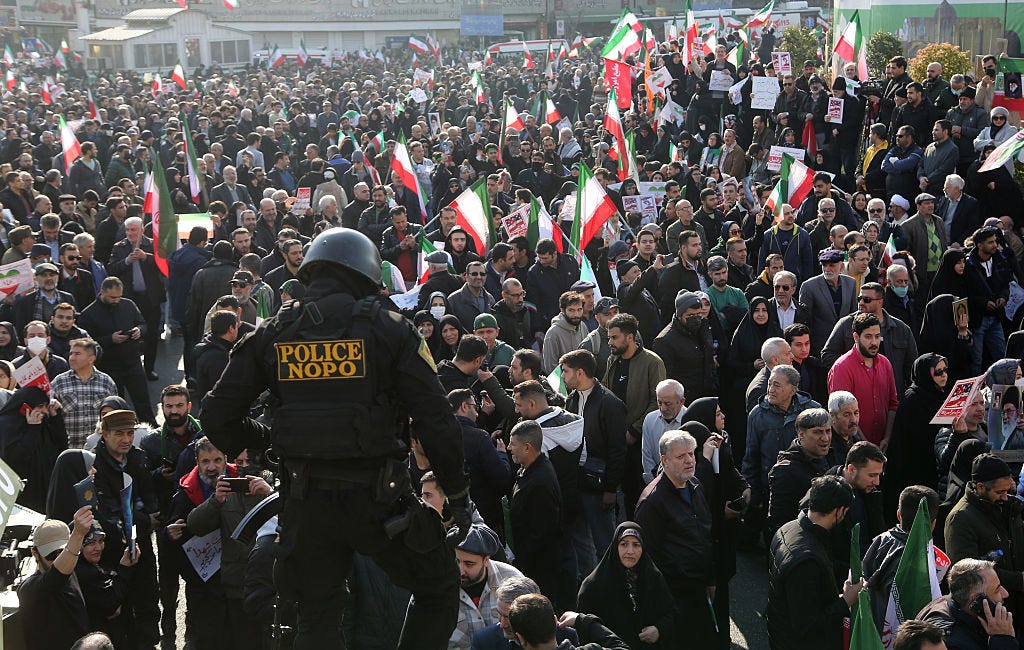
For decades, the Iranian regime has carried out mass political executions of prisoners it deems opponents of the state. In recent months, with war raging, those executions have not only continued but accelerated. Masih Alinejad personally knows many of the prisoners facing death sentences. “While diplomats negotiate, bombs fall, and fragile ceasefire agreements are signed,” she writes for us today, “the Islamic Republic of Iran has been running a quiet, systematic execution campaign against the young people who dared to stand up for their freedom.”
Aaron Renn • Culture and Ideas
In a world where institutional trust has collapsed, who should we turn to for guidance? According to writer Aaron Renn, a new kind of public intellectual has stepped into the void. He calls them “New Trustees”: thinkers whose ideas have earned them a platform precisely because they aren’t chasing one. They are, he writes, “truth-seeking, constructive, forward-looking, and seriously engaged on some of the most serious issues facing our land.” Read Aaron on who these leaders are, and how to seek them out.
Aaron MacLean • School of War
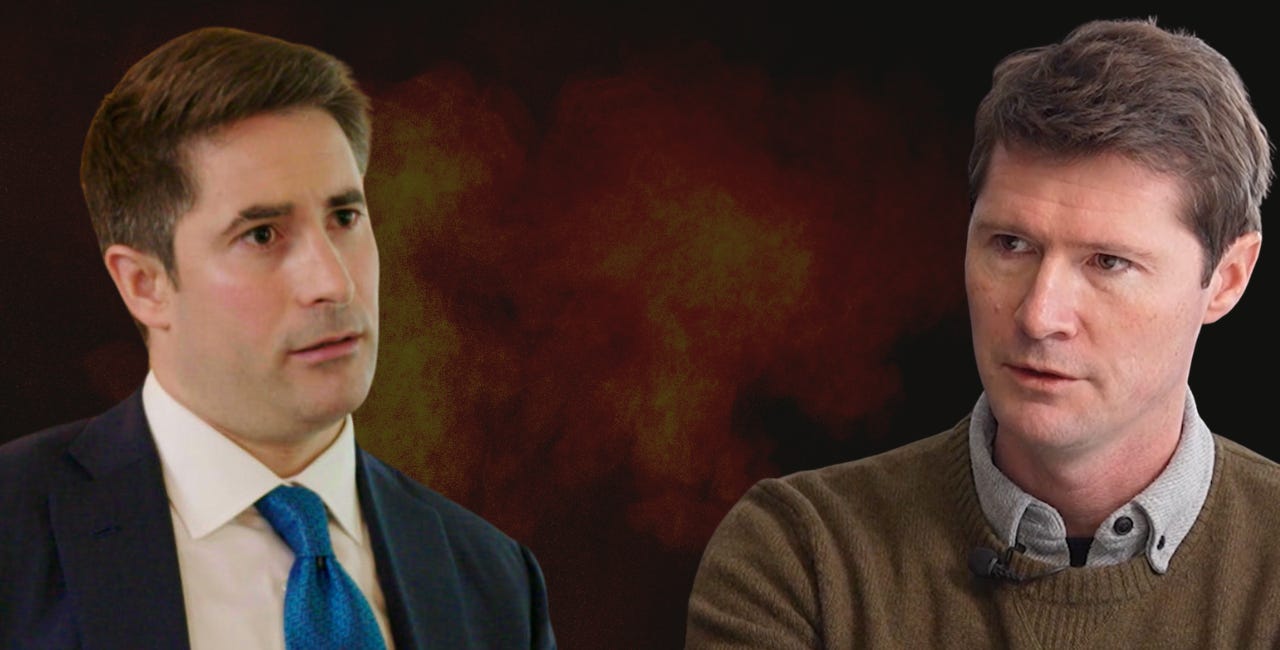
How does Trump make decisions? It’s the million-dollar question on the minds of the American public—and much of the world. Few have come closer to answering it than Jonathan Swan and Maggie Haberman, whose new book, “Regime Change: The Imperial Presidency of Donald Trump,” takes readers deep inside the president’s inner circle during his second term. This week on School of War, Swan joins Aaron MacLean to discuss the behind-the-scenes deliberations that culminated in Trump’s decision to launch military strikes against Iran.
MORE FROM THE FREE PRESS
THE NEWS

On Monday, the U.S launched strikes on Iran for the 10th consecutive night, as gas prices climbed to $4 a gallon nationally and Yemen’s Houthi rebels threatened to cut off Red Sea oil exports—potentially closing off the last major alternative shipping route to the blocked Strait of Hormuz. Pakistan’s interior minister said diplomatic talks with the U.S. and Iran are underway.
Trump levied a 50 percent tariff on most Canadian imports yesterday, including cars, alcohol, and dairy, citing longstanding trade disputes and retaliatory measures Canada took against earlier U.S. tariffs. The move covers goods that had been shielded under the U.S.-Mexico-Canada Agreement, which expired earlier this month.
The Food and Drug Administration rescinded its finding that Taylor Farms lettuce tested positive for cyclospora—a parasite that causes severe diarrhea and stomach pain—saying the result was a false positive. It continues to advise consumers not to eat recalled lettuce, and officials say evidence tying the company’s produce to thousands of reported illnesses remains compelling despite the lab error.
A U.S. Army veteran was arrested after lighting off fireworks and starting a fire outside a federal building in Manhattan that houses the FBI, ICE, and other agencies. Authorities said Andrew Arrabaca, 43, allegedly arrived with axes, knives, and a cart bearing an anti-ICE slogan; three people suffered minor injuries.
Darline Graham Nordone, the sister of the late senator Lindsey Graham and his appointed placeholder, confirmed she will run in the special election to hold the seat for a full term. Trump has endorsed Nordone ahead of the August 11 Republican primary.
A California federal judge temporarily blocked the proposed $81 billion merger of Paramount and Warner Bros. Discovery, issuing a 14-day restraining order while the courts weigh an antitrust challenge brought by a dozen states. The deal, which had sailed through federal regulators, now faces a new hurdle with a preliminary injunction hearing set for early August.
Andy Burnham was sworn in as Britain’s new prime minister, becoming the country’s seventh leader in a decade after Keir Starmer stepped down following two turbulent years in office. Burnham, the former mayor of Greater Manchester, pledged to cut the cost of living and restore public trust in government, saying that politicians “need to be better.”