By The Rio Times | Created at 2026-06-07 06:56:43 | Updated at 2026-06-07 23:26:58
16 hours ago
By The Rio Times | Created at 2026-06-07 06:56:43 | Updated at 2026-06-07 23:26:58
16 hours ago
VENEZUELA · ENERGY
Key Facts
—The summit: acting president Delcy Rodríguez met Prime Minister Narendra Modi in New Delhi on June 4, the centrepiece of a June 3 to 7 visit.
—The advance: India signalled it wants to move beyond spot purchases to crude supply contracts and investment in Venezuela’s oil sector.
—The volumes: India was the second-largest buyer of Venezuelan oil in May, at about 427,000 barrels per day, per Reuters.
—The driver: India is replacing Gulf barrels after the Strait of Hormuz came under an Iranian blockade in March.
—The debt angle: CNN en Español reported that Venezuela’s debt is a central issue in the negotiations.
—The constraint: Reliance has a US authorisation to buy, and the trade still runs within Washington’s sanctions framework.
The Modi-Rodríguez summit has pushed the India-Venezuela oil relationship past one-off cargoes toward supply contracts, sector investment and a debt conversation, deepening a tie The Rio Times first reported as the Hormuz crisis began to bite.
The summit deepens the Venezuela oil push
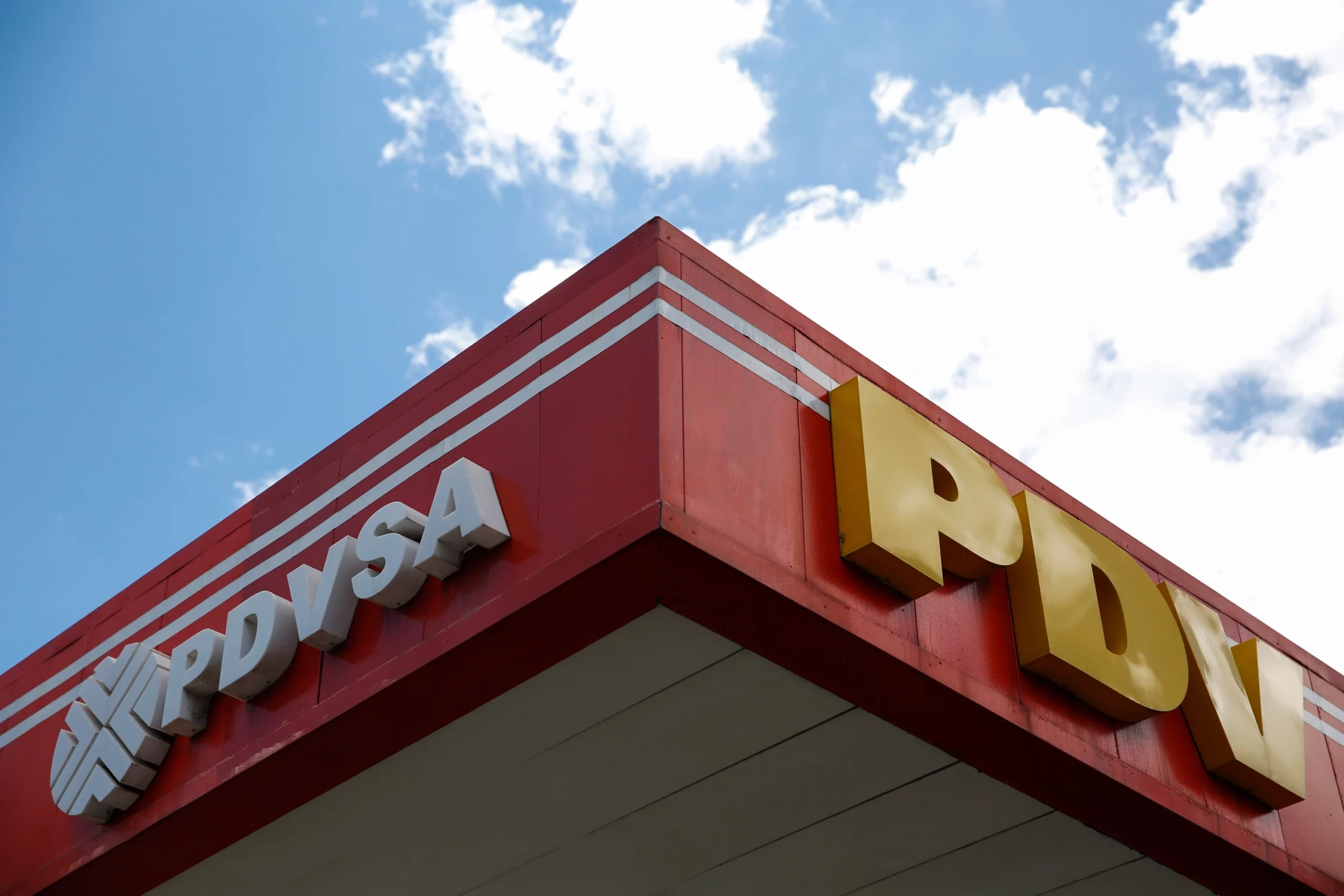
As The Rio Times reported when India first turned to Venezuelan barrels amid the Hormuz crisis, Caracas had become an unlikely fix for New Delhi’s supply problem. The June 4 meeting between Rodríguez and Modi takes that relationship a step further, from emergency spot buying toward a more structured partnership.
Bloomberg reported that India signalled interest in directly sourcing crude and investing in Venezuela’s oil sector after the talks at Hyderabad House. A senior Indian foreign-ministry official, Rudrendra Tandon, said the government is aggressively seeking new energy sources to secure supply.
From spot cargoes to contracts and investment
Tandon described Venezuela as an opportunity and very much part of India’s plans, noting it had become one of India’s largest crude suppliers in recent weeks. According to reporting on the visit, the two sides discussed long-term supply contracts and the participation of Indian companies in exploration, production and logistics.
That ambition builds on a foothold already in place. India’s Reliance Industries has become one of the three largest buyers of Venezuelan crude and, as The Rio Times has reported, holds a US authorisation that lets it purchase within Washington’s licensing system.
The agenda reportedly extends beyond oil to pharmaceuticals, healthcare, transport and renewable energy. Rodríguez has previously pitched Venezuelan coffee, cacao and rum to India, but energy remains the core of the relationship.
Why the timing favours Caracas
India normally ships nearly half its crude through the Strait of Hormuz, which Al Jazeera reports has been under an effective Iranian blockade since early March, in the wake of the US-Israel war on Iran. That has forced New Delhi to scramble for alternatives, and Venezuela’s heavy crude has helped fill the gap.
The disruption has coincided with Venezuela’s export recovery. As The Rio Times has documented, overall Venezuelan exports climbed to around 1.25 million barrels a day in May, the highest in years, after Washington lifted most sanctions through a sequence of Treasury licences issued since the start of the year.
The debt question on the table
A newer thread in the negotiations is Venezuela’s debt, which CNN en Español reported is a central issue in the talks. For a government rebuilding an economy battered by years of crisis, severe mismanagement and the earlier collapse of its state-run oil industry, securing investment and managing obligations are as pressing as selling barrels.
Rodríguez has framed the wider visit as part of a diversification drive, courting Asian demand as aggressively as Caracas has welcomed Western majors back into the Orinoco Belt. The mix of crude sales, sector investment and debt talks suggests India is being approached as a strategic partner rather than a one-off buyer, a notable shift for a country only recently easing back into global markets.
The US still holds the keys
For all the courtship of New Delhi, Washington remains the central player in Venezuela’s oil revival. The United States stayed Venezuela’s single largest crude customer in May, and the partial easing of sanctions has been the precondition for the sector’s tentative recovery and its renewed access to shipping and insurance.
That leaves Caracas balancing competing partners, with India offering large volume and potential capital while the United States holds the regulatory keys to its export machine. Any tightening of sanctions, or a shift in the US posture toward the Rodríguez government, could quickly reshape the crude flows that are now tilting toward Asia.
What it means for the region
For Latin America, the summit signals Venezuela’s tentative return to global energy markets after years spent largely on the margins under sanctions. Stronger Asian demand could, over time, lift output and export revenue in a country whose economy remains fragile and heavily tied to a single commodity, even as ordinary Venezuelans see little of the windfall.
It also shows how the Hormuz disruption is redrawing global crude flows, pulling South American barrels toward Asia and away from traditional routes. How durable the India-Venezuela link proves will depend on the trajectory of US sanctions, the path of oil prices and whether the Gulf shipping lanes reopen to normal commercial traffic in the months ahead.
Frequently asked questions
What came out of the Modi-Rodríguez summit?
India signalled it wants to move beyond spot purchases to long-term crude supply contracts and investment in Venezuela’s oil sector, according to reporting on the June 4 talks.
How much Venezuelan oil does India buy?
India was the second-largest buyer of Venezuelan oil in May, at about 427,000 barrels per day, behind only the United States, according to Reuters.
Why is India turning to Venezuela now?
India is replacing Gulf supply after the Strait of Hormuz came under an Iranian blockade in March, and Venezuela’s heavy crude has helped fill the gap.
Is Venezuela’s debt part of the talks?
CNN en Español reported that Venezuela’s debt is a central issue in the negotiations, alongside crude supply and sector investment.