By The Straits Times | Created at 2026-09-28 21:11:54 | Updated at 2026-09-29 03:46:19
6 hours ago
By The Straits Times | Created at 2026-09-28 21:11:54 | Updated at 2026-09-29 03:46:19
6 hours ago
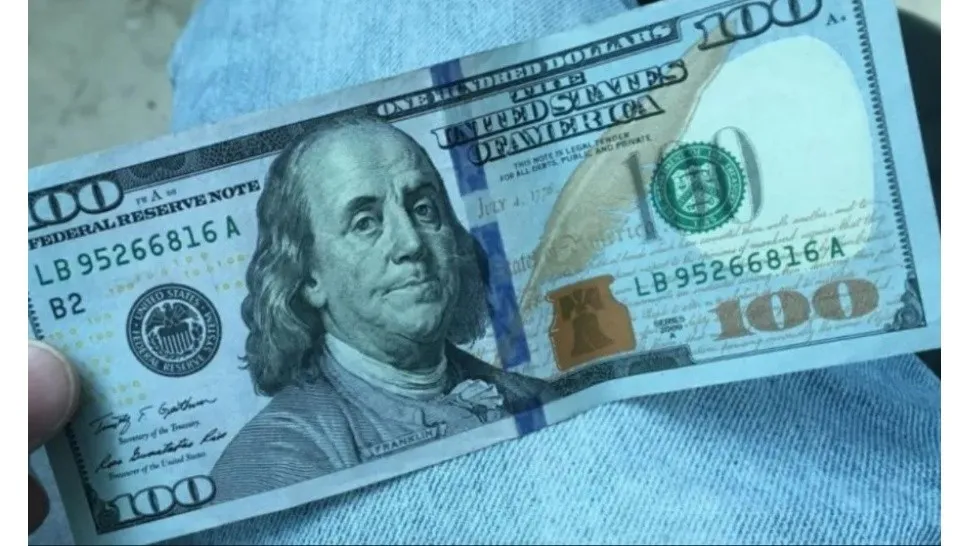
JAKARTA – Indonesian police have begun questioning three men over a case involving counterfeit Singapore $10,000 bills brought into the republic and used at a casino.
The suspects were identified in a police case file seen by The Straits Times as HD, 62, a member of a Banten-based jawara organisation – a traditional martial arts silat group providing security services – alongside businessman AN, 56, and employee EAK, 43.
South Tangerang police chief Boy Jumalolo did not reply to ST’s queries for verification and further details on Sept 28.
The investigation follows the case of an Indonesian businessman identified only as Steven, who allegedly used 34 counterfeit $10,000 notes over three visits to the Resorts World Sentosa (RWS) casino in June. The notes were accepted and exchanged for casino chips before they were found to be fake.
The Singapore Police Force (SPF) has been in contact with its Indonesian counterparts over the case.
Boy told ST earlier in September that his officers met SPF representatives, including the SPF attache in Jakarta, via online conferencing platform Zoom on Sept 14. At that meeting, Indonesian investigators asked the SPF for a letter confirming that the 34 seized notes, dated 1973, were counterfeit.
He said then that his investigators had so far received only a copy of the seizure receipt, which described the notes as “believed to be non-genuine”.
An SPF spokesperson confirmed that a report had been lodged and said investigations were ongoing.
Lawyer defends Indonesian businessman
Steven’s Jakarta-based lawyer, Yosia Ginting, told ST on Sept 17 that his client was a victim of fraud and did not know the notes were counterfeit. He said Steven had received them as payment for a shophouse he was selling in South Tangerang, a satellite town of Jakarta.
Three videos seen by ST are among the evidence submitted to the police. Each showed one of the three people under investigation sitting next to Steven and handing him $10,000 notes.
In each clip, the speaker made a near-identical statement: “I hereby hand over these notes to Steven on the understanding that Steven will receive a commission as mutually agreed.”
It added that the speaker would bear all the risks “if anything happens”, including if the money turned out to be counterfeit and was seized in Singapore.
Saleh Balfas, a lawyer representing AN, told ST that his client was a victim and the notes AN handed to Steven had come from HD.
ST emailed BPPKB Banten, the organisation HD belongs to, but received no reply and calls to the organisation went unanswered.
Saleh also rejected the account that AN had agreed to buy a shophouse from Steven with the notes.
“There was never any discussion or agreement for Anthony to buy Steven’s shophouse,” he said.
He added that Steven had agreed to exchange the $10,000 notes for smaller denominations, keep his commission and return the rest.
Chronology of casino exchanges
Steven’s lawyer had given ST a different account. Yosia said Steven was introduced to a man named Anthony by a friend identified only as Rangga. ST understands that Anthony, initialled AN, is not the man’s official name.
At a meeting at a Jakarta cafe on June 8, Anthony gave Steven a single $10,000 note, saying he wanted to exchange it because it could not be exchanged in Indonesia.
Steven flew to Singapore the next day, but neither a money changer nor a bank would change the note. A VIP host at RWS then suggested he change it at the casino, where it was allegedly verified and exchanged for chips.
On June 11, Anthony handed Steven 33 more $10,000 notes to be changed into smaller denominations in Singapore.
According to Yosia, Anthony also said he wanted to buy Steven’s shophouse, priced at 4.5 billion rupiah (S$322,000). He would pay once Steven returned to Jakarta with the cash in smaller notes.
Steven travelled to Singapore on June 12 and deposited 27 of the notes into his casino account, keeping the other six at his home in Indonesia.
On June 22, he used those six notes towards payment for a house in Pamulang, Banten, but the seller’s daughter could not change them in Jakarta. Steven returned to RWS on June 26 and was stopped by casino security and police. They told him that serial numbers on some of the notes matched notes he had exchanged earlier.
Yosia said Steven was questioned over bringing in undeclared cash and over circulating and using counterfeit currency. Steven surrendered his passport and mobile phone and was told to remain in Singapore for three to six months.
The $10,000 note was first issued in 1973 and discontinued in 2014 to mitigate the money laundering and terrorism financing risks associated with large denomination notes. However, existing notes in circulation remain legal tender.
Those convicted of using forged or counterfeit banknotes in Singapore may be jailed for up to 20 years.