By New York Post (Opinion) | Created at 2026-06-04 22:49:55 | Updated at 2026-06-07 00:26:24
2 days ago
By New York Post (Opinion) | Created at 2026-06-04 22:49:55 | Updated at 2026-06-07 00:26:24
2 days ago
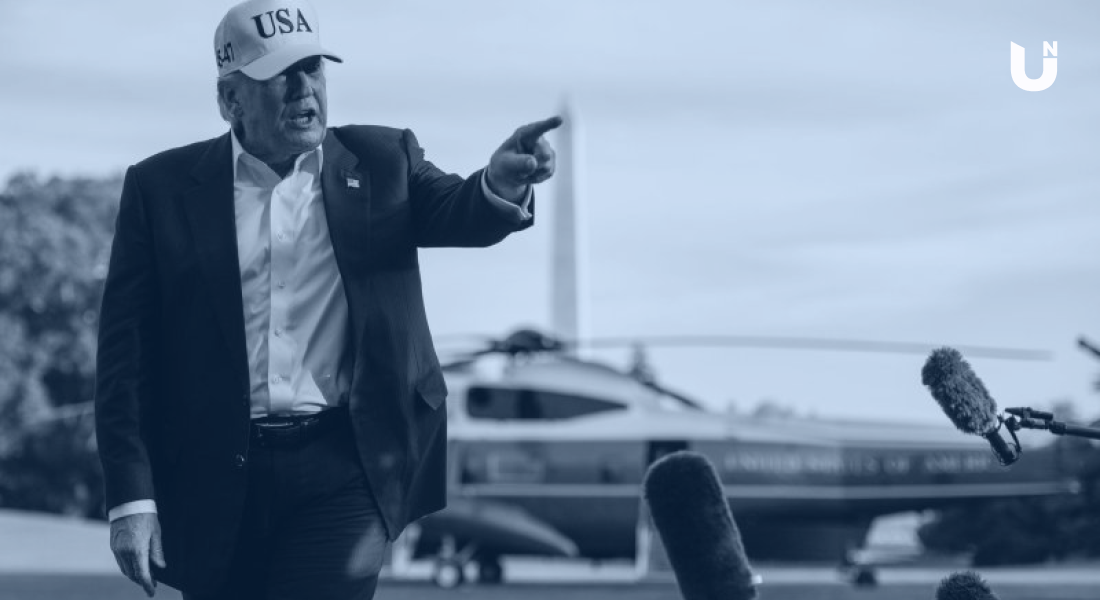
 President Trump speaking at an Oval Office event on June 4, 2026.
SAMUEL CORUM/POOL/EPA/Shutterstock
President Trump speaking at an Oval Office event on June 4, 2026.
SAMUEL CORUM/POOL/EPA/Shutterstock
President Donald Trump’s administration has bent over backward to negotiate an end to Iran’s grand plans to develop nuclear weapons — before the June 2025 bombing, afterward, and again during the follow-up diplomacy of spring 2026.
Yet Iran is unlikely ever to abandon its pursuit of the bomb voluntarily.
With nuclear weapons, Tehran hopes to become the de facto hegemon of the Middle East.
And that is the charitable view, one that excludes the possibility of a messianic theocracy believing that eliminating Israel would forever ensure its Shiite minority permanent preeminence in the pantheon of Islamic jihadists.
After three months of intermittent war, we are now better acquainted with Iran’s intentions and the realities of the conflict.
The Iranian regime has never viewed “negotiations” as a path leading to an ultimate “deal.”
At best, the regime’s supposedly “elected” government plays good cop, while the bad cop theocratic henchmen periodically violate whatever understandings have been reached.
The regime’s art of “dealing” is not aimed at resolution but at gaining strategic advantage by postponing any military effort that leads to its demise.
As a result, Iran does not necessarily regard overwhelming military defeat on the battlefield as a strategic loss.
In terms of size, population, resources, wealth and military strength, Iran has been the most formidable adversary the United States has faced in the Middle East.
Yet our losses in this war so far have been historically low, while the damage to the Iranian industrial, nuclear and military infrastructure has been immense and unprecedented.
And while the United States has clearly won the shooting war, it has yet to secure the peace.
One problem is the scarcity of accurate information: We have only rumors and spotty regime-fed reports of what is actually going on inside Iran, given there are neither US ground troops nor embedded Western reporters there.
No one yet knows the full extent of the damage to the regime or the viability of the Iranian resistance.
The result is that Iran is likely to be in far worse shape than it lets on.
Even so, a militarily weakened Iran seems to hope that escalating tensions in the Strait of Hormuz will raise gas prices at home and worldwide, costing Trump the midterm elections, before American sanctions, blockades and asset freezes will bankrupt the country.
The United States now weighs two choices.
One is to end the war and get some sort of deal, assured that it has already done close to a decade’s worth of damage to Iran, and perhaps more if sanctions persist.
The United States could seek to negotiate an exit that lowers oil prices and staves off political catastrophe in November.
America’s anxious Gulf allies might support — or even now insist upon — such a negotiated settlement.
Yet the long-term limitations of such a truncated and transitory victory are twofold.
First, Iran’s regime would likely consolidate its hold on power, claiming that its reputation abroad has grown, and that its mere survival should be seen as an incredible victory.
Second, Iran would likely rebuild and wait to go nuclear until the arrival of a president akin to Obama or Biden, convinced that there would then be no danger of another American intervention.
The regime has good reason, given the current socialist-Islamist Democratic Party, to expect a future Democratic president to revive Obama’s bankrupt visions of empowering a Shiite crescent from Tehran to Yemen to “balance” Israel and the Gulf monarchies.
An alternative course is riskier — one that could involve greater casualties and Iranian missile and drone strikes against Israel and the Gulf states.
It would begin with Trump issuing a final one-week deadline for Iran to concede to his demands to denuclearize, hand over all its enriched uranium, dismantle its remaining missile forces, cease subsidizing Hezbollah, Hamas and the Houthis, and stop interfering with international traffic through the Strait of Hormuz.
Otherwise, for a week or so, the United States would strike the remaining regime grandees who believe they’re still in charge of Tehran’s government, along with dual-use bridges, subterranean nuclear depots, power plants, island ports and docks, weapons arsenals and factories, and the remnants of the Iranian mosquito navy.
Trump would then open the Strait of Hormuz, leave a guardian force to keep it navigable, declare victory, go home — and pivot to the economy.
The point would be to inflict enough damage on the Iranian theocracy and its appendages to end the current off-and-on war.
Whichever choice Tehran makes, either concessions or destruction, would humiliate the regime, neuter its military and halt its nuclear aspirations for decades, leaving it ripe for internal uprising — and reminding the world there is a limit to unpredictable America’s patience and placidity.
Victor Davis Hanson is a distinguished fellow of the Center for American Greatness.