 By GB News (World News) | Created at 2026-06-10 15:10:39 | Updated at 2026-06-10 18:03:35
2 hours ago
By GB News (World News) | Created at 2026-06-10 15:10:39 | Updated at 2026-06-10 18:03:35
2 hours ago
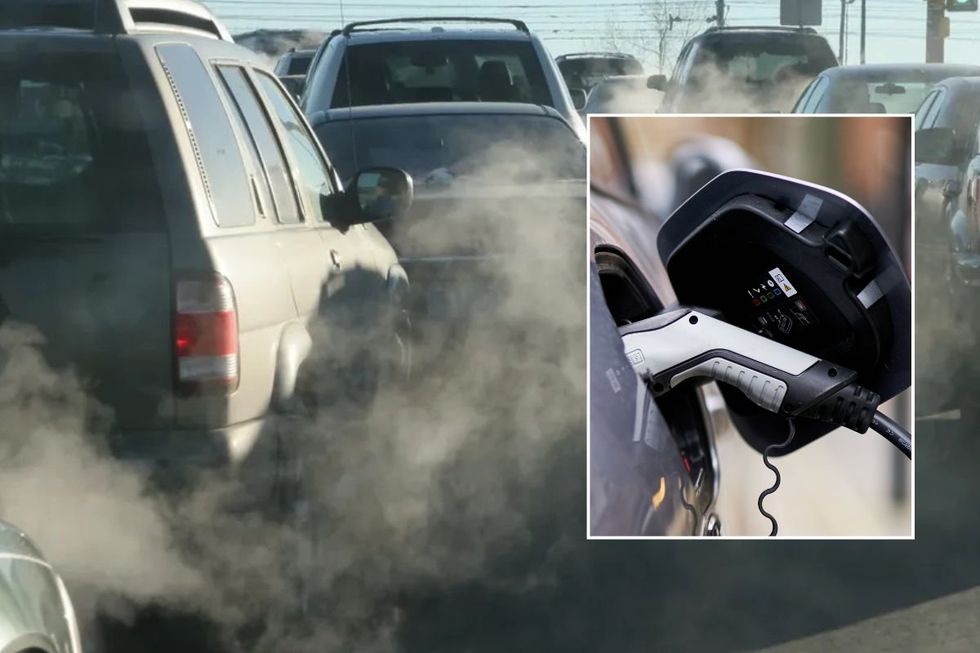
Ireland has introduced a new scrappage scheme that aims to get drivers behind the wheel of electric vehicles as the government attempts to rid petrol and diesel cars from the road.
Drivers across the nation will be able to transition from older, polluting internal combustion engine vehicles to cleaner electric vehicles through the ICE2EV scheme.
The service, which will be administered by the Sustainable Energy Authority of Ireland (SEAI), will officially launch on July 1, having been announced earlier this month.
Petrol and diesel vehicles that are more than 13 years old from Ireland's private car fleet will be eligible to be replaced with new battery electric vehicles.
Darragh O'Brien, Minister for Transport, confirmed that the limited scheme would be backed with €10million (£8.6million) in funding.
There are almost 235,000 electric cars across Ireland, with Mr O'Brien noting that this would reach "many multiples" in the coming years.
He said: "I want to support even more households to switch away from older, more polluting cars and on to electric vehicles.
"So for anyone considering changing an older car, I encourage you to make the move from ICE to EV. It is a practical and effective step towards reducing emissions and improving air quality across Ireland."
Ireland has launched its ICE2EV scheme to incentivise motorists to ditch their polluting petrol and diesel cars in favour of electric cars
GETTY
The Fianna Fáil politician highlighted how older, more polluting vehicles are among the highest emitters in the transport system, with ICE2EV designed to break down these barriers.
In total, 65 per cent of the funding will be allocated to rural applicants and 35 per cent to urban applicants, based on data from the 2022 Central Statistics Office Census.
Eligible applicants can receive €5,000 (£4,310) for the "permanent removal" of a qualifying petrol or diesel vehicle registered in 2013 or earlier.
This must be used to purchase a new electric vehicle and works alongside the existing €3,500 (£3,017) EV grant administered by the SEAI, bringing total available support up to €8,500 (£7,327) per vehicle.
Data shows that electric car sales are becoming more popular in Ireland
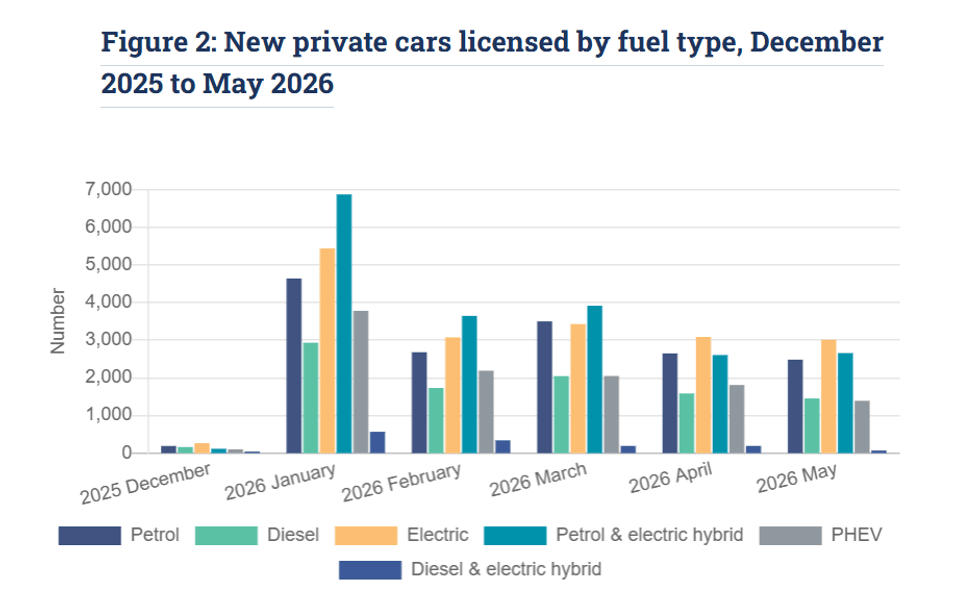
CENTRAL STATISTICS OFFICE
An eligible ICE vehicle must have been registered in the applicant's name for at least 12 months, have a valid NCT certificate, and be taxed and insured for road use during the six months prior.
Minister O'Brien also confirmed that the existing SEAI Electric Vehicle Purchase Grant maximum threshold would be cut to €50,000 (£43,106), rather than €60,000 (£51,728).
These amended prices will be rolled out for new applications received after July 31, 2026, and will not impact applications approved or submitted before this date.
The move has been backed by experts, who argue that it will boost the transition away from harmful petrol and diesel cars towards zero emission vehicles.
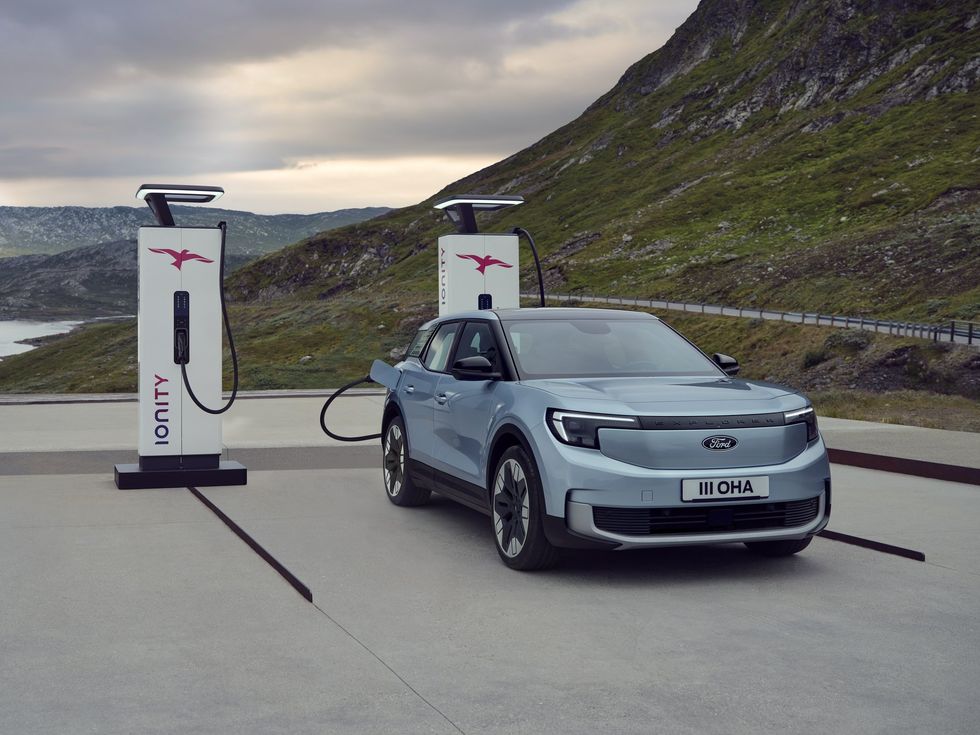
Drivers are able to use the scheme to save money on a new electric vehicle
William Walsh, CEO of SEAI, said he "really welcomed" the announcement from the Irish government, noting that it would help even more people.
"At SEAI, we've seen first-hand how much of a difference switching to an electric vehicle can make to the cost of running a household, while improving everyone's quality of life through improved air quality and reduced emissions," he said.
Minister of State with responsibility for Rural Transport, Jerry Buttimer, added: "ICE2EV is an important step in making electric vehicles more accessible to a wider range of households, particularly in rural communities where car dependency is often greatest.
"By targeting older, higher-emitting vehicles, we are ensuring that this investment delivers real environmental benefits while supporting people to make a practical and affordable choice for cleaner transport."