By The Free Press | Created at 2026-08-27 10:10:55 | Updated at 2026-09-27 10:13:14
1 month ago
By The Free Press | Created at 2026-08-27 10:10:55 | Updated at 2026-09-27 10:13:14
1 month ago
Produced by ElevenLabs using AI narration
It’s Thursday, August 27. This is The Front Page, your daily window into the world of The Free Press—and our take on the world at large. Today: Why Meta’s $18 billion social media settlement should be only the beginning. Was mass incarceration a myth? The woman behind the AI bot-turned-sorority star. And much more.
But first: Is America losing faith in capitalism?
As this year’s primary elections draw to a close, one question has loomed above all others: What is America’s ideal economic system? Over the past several weeks, members of the Democratic Socialists of America have scored victories from New York and Pennsylvania to Colorado and Florida, challenging the country’s long-standing faith in the capitalist system in a way rarely seen before.
But just how widespread are these sentiments? Is this socialist fervor reflective of a broader shift in Americans’ economic views—or something more limited to the fringe left?
That’s the big question we posed in the latest edition of The Honesty Project, our partnership with Populace, an opinion-research think tank that designs surveys to capture respondents’ “private” opinions—the views they may consider too sensitive to share publicly.
Today’s results suggest that while most Americans remain wary of full-blown socialism (with some notable exceptions), just one in three Americans have a positive view of capitalism.
That’s a striking finding in a country whose economic system has long been rooted in free enterprise—and it’s just the beginning of what the poll reveals. Today, Mene Ukueberuwa dives into these findings, and reports on where Americans are on one of the most consequential issues in politics.
—The Editors


Emily Cherkin • Tech and Business

On Wednesday, Meta announced a landmark legal settlement in a monster case over the harms of teen social media use. Under the agreement, the company will pay up to $18 billion and make significant changes to its platforms aimed at reducing teen addiction. But as technology writer and screen-time expert Emily Cherkin argues, these changes are just a start: The real culprit behind social media’s harms, she writes today, “is a business model that is fundamentally incompatible with healthy child development.” Read her piece to understand why she believes that until the underlying model changes, nothing else will.
Charles Lane • U.S. Politics
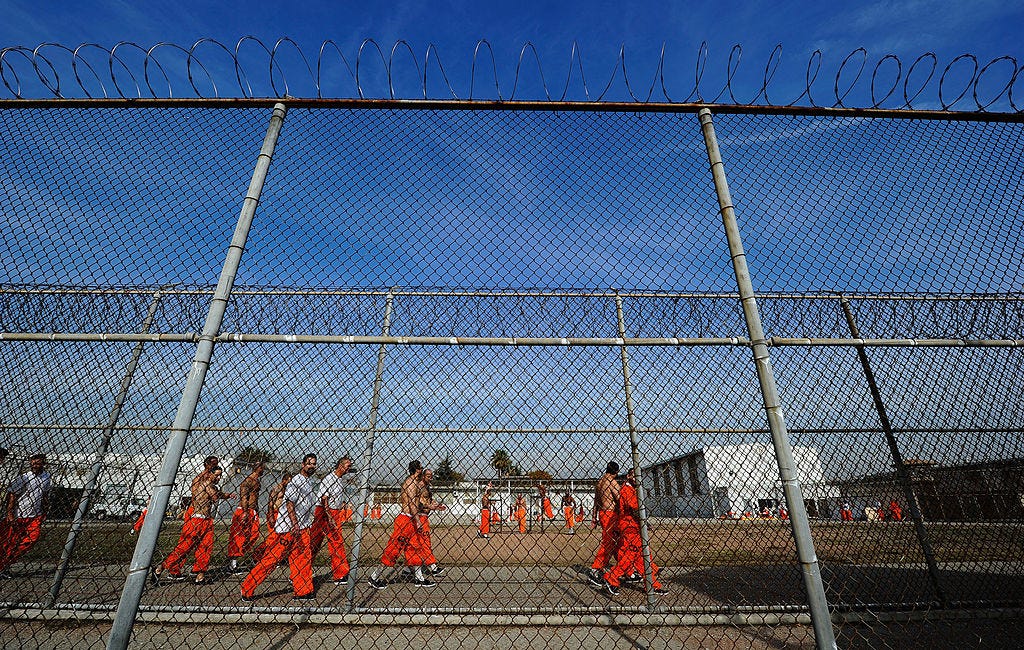
For much of the 2010s, the American left had one big enemy: mass incarceration. From Michelle Alexander’s book “The New Jim Crow” to DSA calls to abolish prisons, everyone seemed to agree that black people were unfairly targeted by the justice system, and that their rates of imprisonment were growing by the day. But a major new study says the assumptions behind this view are badly out of date. Charles Lane breaks down the story beneath the myth—and lays out what we actually need to do to keep this virtuous cycle going.
Olivia Moore • Tech and Business

Earlier this month, a 19-year-old named Janie went through “Bama Rush,” the University of Alabama’s annual sorority recruitment. Alongside 2,500 breathless recruits, she spent weeks dancing, vlogging, and shopping her way into the school’s top sororities, amassing tens of thousands of fans on TikTok. There was just one issue: Janie wasn’t real. She was an AI bot generated by tech investor Olivia Morris. “The goal of my experiment was to see how far an AI-generated girl could get inside one of the internet’s most visible attention economies,” Olivia writes today, “and what would happen when the illusion broke.” Read her piece to see what she found.
Lucy Biggers • The Free Press Interviews
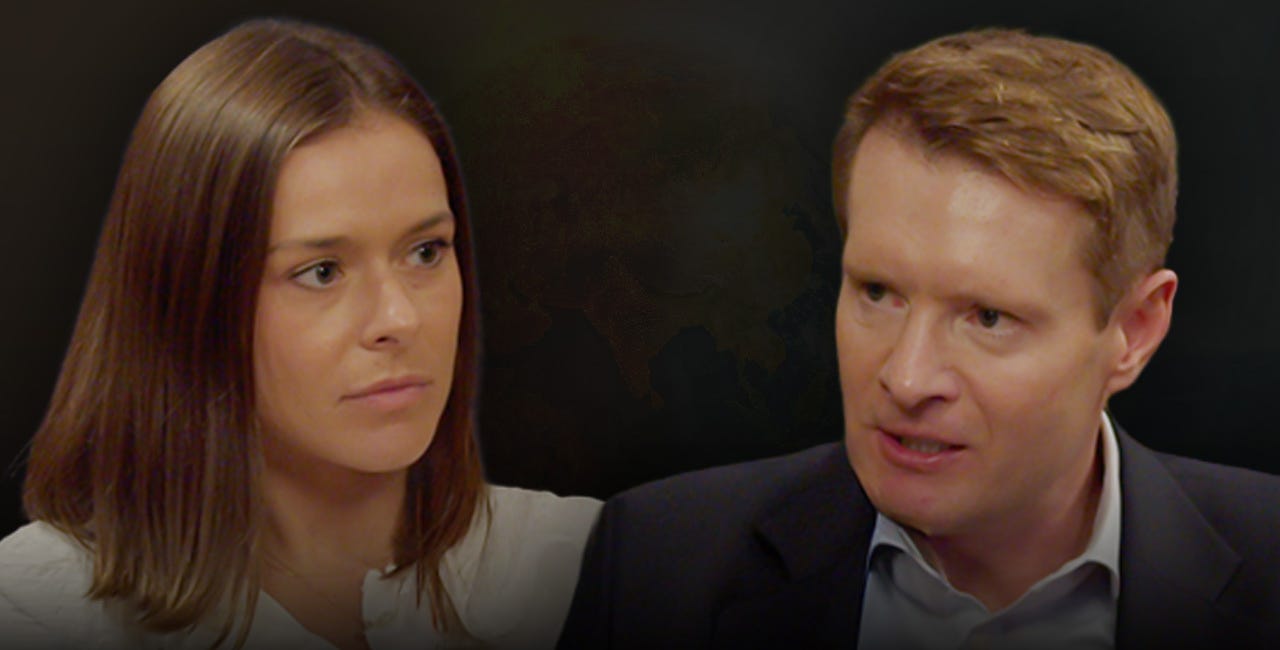
Feeling down lately? You’re probably not alone. From threats of an AI apocalypse, to the rising tide of socialism, to the specter of a global conflict, doomerism is all around—but Marian Tupy has an antidote. In a conversation with Lucy Biggers, he lays out the path to what he calls “superabundance”—and explains why, despite what the algorithms tell us, humanity’s future is brighter than you think.
MORE FROM THE FREE PRESS
THE NEWS

Flash floods hit the border regions of Nepal and China on Wednesday, killing at least 160 people. Authorities are still searching for over 660 missing people, 47 of whom are U.S. citizens.
On Wednesday, a federal judge cleared the way for the U.S. Postal Service to restrict mail-in voting in future elections. The decision, coming just months before the midterm elections, vindicates the Trump administration’s efforts, which had previously been blocked by a court order.
New reporting from CBS News shows that CIA director John Ratcliffe met with Russian intelligence during his visit to Moscow on Tuesday. The meeting comes at a tense moment in the region, as Russia’s war with Ukraine rages on.
The Treasury Office released a new list of NGOs designated as left-wing terrorist organizations. Two of the groups have worked with Calla Walsh, the Cambridge-raised progressive activist who has since become a propagandist for the Iranian regime. (For more on Walsh’s descent into extremism, read Jay Solomon’s “The Radicalization of Calla Walsh.”)
Senator Josh Hawley is reportedly launching an investigation into the use of Flock cameras. In a letter to the company’s CEO, Senator Hawley wrote that Congress “never authorized the network your industry has built.” His move marks one of the first major crackdowns on the surveillance technology. (For more on this, read River Page’s “A City’s War on Surveillance Cameras” and Erick Erickson’s “Why No One Trusts Data Centers and Flock Cameras.”)
Microsoft founder Bill Gates published a nearly 6,000-word essay on Wednesday warning the public about AI. The billionaire philanthropist wrote that there is “no plan” for the massive upheaval the technology will create, and highlighted the need for regulation.
The FDA approved a blockbuster new drug for pancreatic cancer on Wednesday. The pill, called Rasonque, helped subjects in a late-stage study live more than 13 months longer than expected, marking a major breakthrough in the fight against one of the deadliest forms of cancer.
Tim Curry passed away on Wednesday at age 80. The iconic actor is known for his roles in classic films including The Rocky Horror Picture Show, It, and more.