 By GB News (World News) | Created at 2026-08-13 03:46:06 | Updated at 2026-08-13 05:20:02
1 hour ago
By GB News (World News) | Created at 2026-08-13 03:46:06 | Updated at 2026-08-13 05:20:02
1 hour ago
Israel faces a ban from hosting Eurovision under new rules designed to "preserve the competition's spirit".
Under new rules introduced by the European Broadcasting Union (EBU) on Wednesday, any country engaged in "armed conflict" would be ineligible to host the competition.
Winning nations would also be barred from hosting the song contest if a "sensitive geopolitical situation" affects the "security, safety or stability of their state or immediate region".
The move follows fury over Israel's continued involvement in Eurovision - largely led by countries like Ireland and Spain.
Five countries boycotted the most recent show in Austria as a result of Israel's participation.
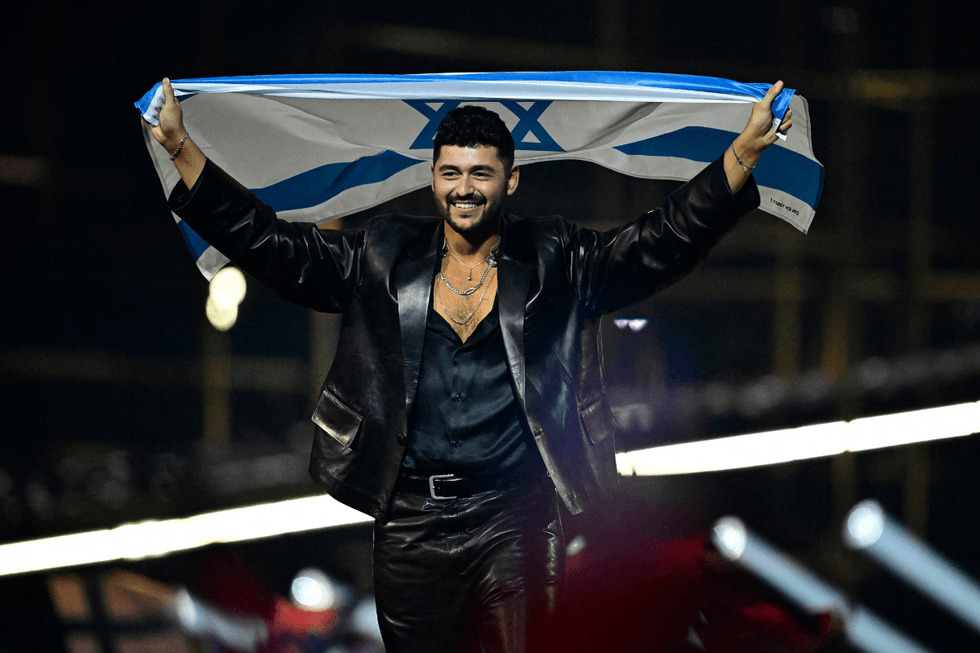
Despite widespread protests and boos ringing out in the stadium, Noam Bettan took second place - with his song Michelle winning the public vote.
It marked the second year in a row Israel has come second, sparking fears among anti-Israel campaigners that the contest may be held in the country in the future.
Pedro Sanchez, Spain's socialist Prime Minister, called for Israel to be disqualified, while Irish state broadcaster RTE said participation would be "unconscionable" because of the conflict against Hamas in Gaza.
Israel's Noam Bettan came second in the most recent Eurovision Song Contest
The changes will also affect Ukraine, which was invaded by Russia in 2022.
That same year, the country won the contest with Stefania by Kalush Orchestra - but the next iteration of the contest was hosted by runners-up the UK on behalf of its embattled ally.
A Eurovision spokesman told The Telegraph any assessment of a country's ability to host a competition would be made much closer to the time.
While Hen Mazzig, a senior fellow at the Tel Aviv Institute, told the newspaper: "When Ukraine won mid-invasion, the EBU asked the BBC to host in Ukraine's name. That win was honoured.
Ukraine is also likely to be affected by the new rules - the UK hosted in the country's name in 2023

"When Israel came in second at the last Eurovision, the network panicked and rewrote the rules. Every rule is rewritten the moment we might win under the old one.
"This isn't integrity. It is a blatant attempt to keep the Jewish state out of sight."
The EBU said the changes had been made after feedback from participating broadcasters, adding the new rules would provide greater clarity for artists and staff.
Martin Green, the contest director, said: "The Eurovision Song Contest is constantly evolving, and our annual review of the rules is an important part of making sure the contest remains fair, transparent and consistent for all those who participate, including the millions who engage with the event globally.
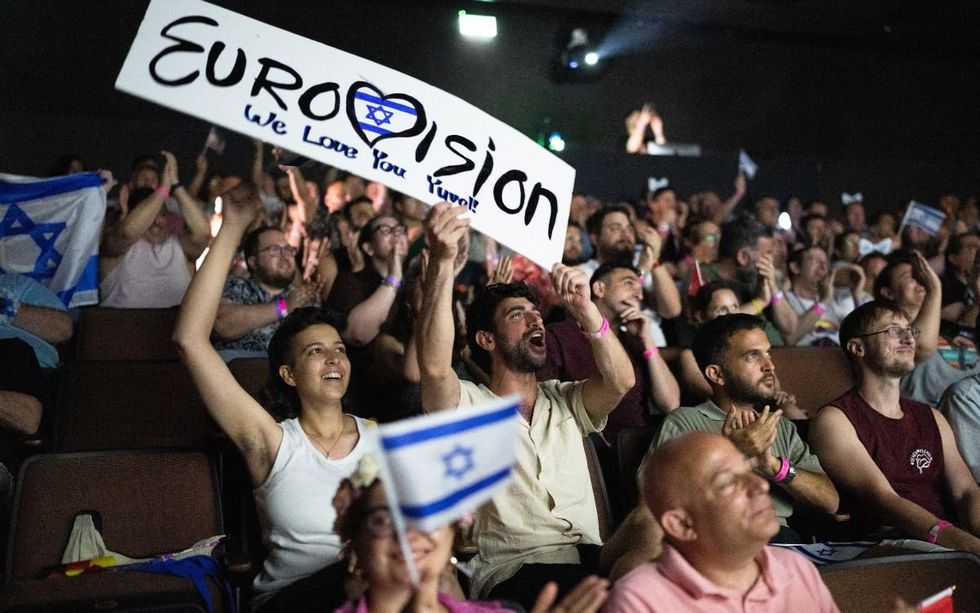
The Eurovision Song Contest will change its rules from 2027
"Guided, as always, by feedback from our members, we have clarified and strengthened several areas for 2027.
"These changes are about giving everyone involved greater clarity, protecting artists and ensuring the contest continues to provide a safe and welcoming environment, while preserving the spirit and integrity that make the Eurovision Song Contest so special."
Also under the new rules, artists must be at least 18 years old on the day of the first rehearsal, rather than 16. Lead singers will also be required to sing the main melody of the song live.
Eurovision 2027 will be held by Bulgaria for the first time after 2026's edition was won by "Bangaranga", performed by Dara.