 By Dexerto | Created at 2026-08-07 13:42:15 | Updated at 2026-08-07 17:29:00
5 hours ago
By Dexerto | Created at 2026-08-07 13:42:15 | Updated at 2026-08-07 17:29:00
5 hours ago
Government social media accounts often use memes to make official posts stand out, but the US government’s use of some of Japan’s biggest gaming and anime franchises has the Japanese government worried.
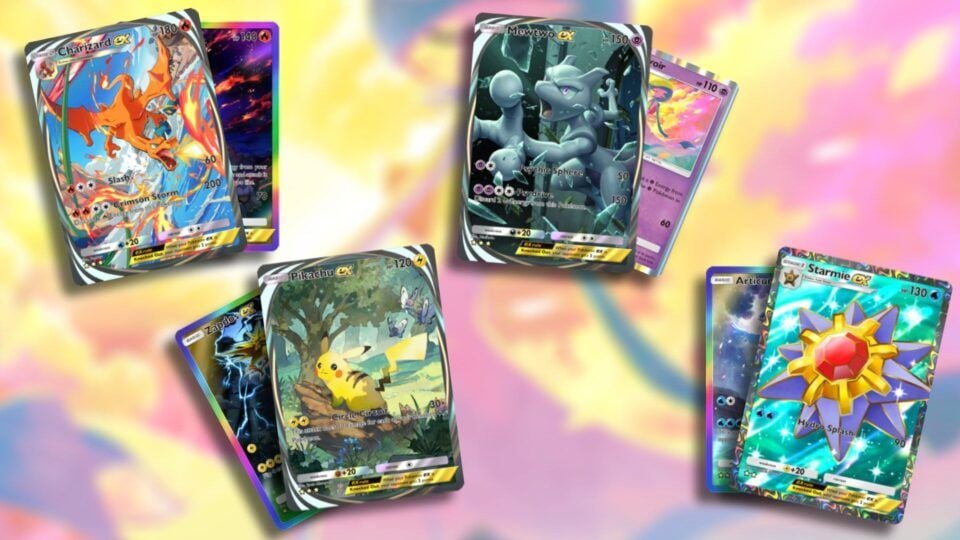
Characters and footage connected to Pokemon, Mario, Naruto, and other major properties have repeatedly appeared in posts shared by the US government, like the Department of Homeland Security sharing a Pokemon-themed immigration enforcement video, a Pokopia-inspired graphic featuring the slogan “Make America Great Again,” a Mario montage connected to NASA’s Artemis II mission, and an AI-generated video depicting Donald Trump as Naruto.
However, Japanese officials are now warning that using those works without permission could raise copyright concerns and damage the companies’ image.
Japan warns government memes could damage major franchises
According to Mainichi Shimbun (via IGN), Japan’s Ministry of Foreign Affairs raised the issue with the US Embassy in Tokyo in April, again in June, and once more in August.
They are reportedly asking the Trump administration to stop using Japanese intellectual property without permission and consider the potential impact on the franchises featured.
Explaining its position, Japan’s Ministry of Foreign Affairs said that “even public institutions require permission from the creator when using intellectual property.”
 Nintendo
Mainichi added that the ministry “conveyed the need to consider the possibility of copyright infringement and damage to the image of the works.”
Several rights holders have previously distanced themselves from the posts. Following the Department of Homeland Security’s Pokemon video, The Pokemon Company said it was not involved in creating or distributing the content and had not granted permission for its intellectual property to be used.
The official Japanese Yu-Gi-Oh anime account issued a similar response after footage from the series appeared in a White House video promoting US military action. It said the original creators and anime staff were not involved and that permission had not been provided.
Japan’s statements raise the possibility of copyright infringement but do not represent a legal ruling that infringement occurred. The response has so far taken place through diplomatic channels, with officials asking the US government to reconsider how Japanese intellectual property is used in future posts.