 By GB News (Politics) | Created at 2026-08-06 08:01:40 | Updated at 2026-08-06 08:54:35
1 hour ago
By GB News (Politics) | Created at 2026-08-06 08:01:40 | Updated at 2026-08-06 08:54:35
1 hour ago
Britain’s services sector has recorded 22 straight months of falling employment, matching the longest run of job losses since the 2008 financial crisis.
S&P Global Market Intelligence data shows pubs, restaurants, cafés, hairdressers and professional services firms have been cutting staff continuously for two years.
It follows Rachel Reeves delivering her first Budget in October 2024, which introduced a £26billion increase in employer taxes.
Tim Moore, economics director at S&P Global Market Intelligence, said the latest figures match the longest period of employment decline in the survey’s 30‑year history.
“The current duration of falling employment is a joint‑record… equalling those seen during the global financial crisis and in the wake of the dotcom bubble,” he said.
The last time the sector saw such prolonged job losses, Britain was in one of its deepest modern recessions.
Despite the continued decline in employment, the wider services sector returned to growth in July.
The Purchasing Managers’ Index rose to 52.1, up from 48.8 in June, with any reading above 50 indicating expansion.
UK services sector jobs fall for 22 straight months after Labour Budget, S&P Global data shows

S&P Global said stronger consumer spending and robust demand for technology services helped lift activity.
“A rebound in both activity and new business could not prevent a further decline in staffing numbers,” Mr Moore said, noting job losses for the 22nd consecutive month.
The survey highlighted a widening gap between business output and hiring, with activity improving while employment remained under pressure.
Shadow business secretary Andrew Griffith described the figures as “a damning indictment of this Government’s economic failure”.
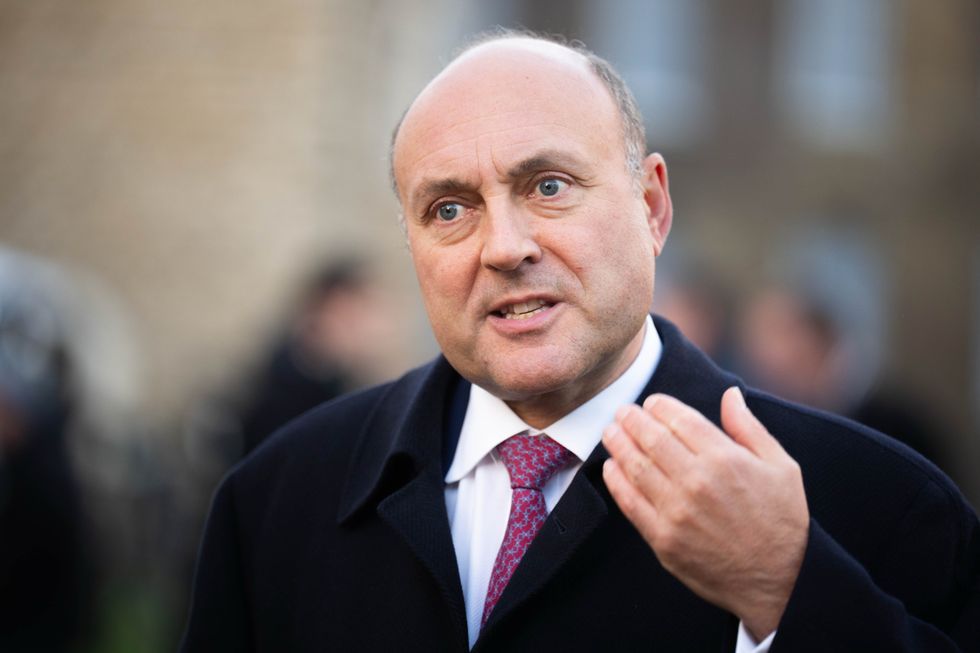
He said Labour’s Employment Rights Act, alongside the jobs tax and business‑rates increases, had “sent businesses to the wall”.
Businesses have cited above‑inflation minimum wage rises, particularly for younger workers, higher national insurance contributions, rising wage costs and additional regulation under the Employment Rights Act as factors behind reduced hiring.
Allen Simpson, head of UKHospitality, said the figures were “sobering, though sadly not surprising”.
“The past two Budgets have inflicted more than £5billion of additional annual costs onto hospitality businesses,” he said.
“At the same time, we have record numbers of unemployed young people… denied the chance to earn their first salary in their local pub or restaurant.”
There was one sign the labour‑market slowdown may be easing: the pace of job losses fell to its weakest level since October 2025, suggesting redundancies are easing even though overall employment continues to decline.