 By GB News (Politics) | Created at 2026-09-28 08:01:37 | Updated at 2026-09-28 08:39:56
51 minutes ago
By GB News (Politics) | Created at 2026-09-28 08:01:37 | Updated at 2026-09-28 08:39:56
51 minutes ago
A Labour Rejoiner MP has warned that Brexit has left Britain more vulnerable as she pointed to Ebola and El Niño as evidence that the country needs its European allies.
Stella Creasy, chair of the Labour Movement for Europe, told a packed-out fringe event in Liverpool that the world was entering a “new era of risk” and argued that Britain could not tackle the challenges ahead on its own.
“Ebola is spreading faster than ever before in Central Africa,” Ms Creasy told activists.
“El Niño is following on from the heatwaves that we saw this summer, and at every turn, unless we face this future head-on and with allies around the world, it is the poorest and most vulnerable who will pay the price.”
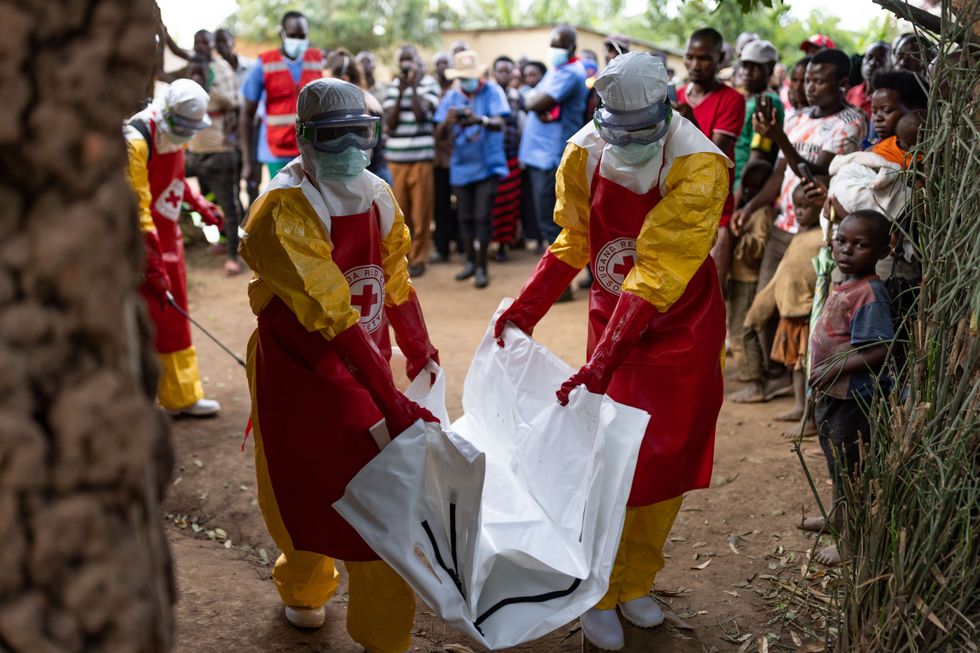
However, the Ebola outbreak in Central Africa has already prompted an international response, with health authorities working to contain transmission and prevent further spread after the deaths of 3,801 people.
Meanwhile, El Niño is a recurring climate pattern in the Pacific Ocean which can cause significant disruption to weather patterns around the world, including increased risks of extreme heat, drought and flooding.
Despite Ms Creasy's comments about the crisis, Brexit Britain has provided more assistance than the EU, with Labour announcing £78.7million compared to just £33million from Brussels.
Ms Creasy used her fringe event speech to put pressure on Andy Burnham to rethink Britain's relationship with the European Union, arguing that the threats facing the country in 2026 were very different from those debated during the 2016 referendum.
Stella Creasy discussed the UK's future with Europe in Liverpool

GB NEWS
“The brutal reality of the last 10 years is clear,” she said.
“Our isolation makes us vulnerable in a world where the bullies are looking for targets.”
The Labour Movement for Europe rally was held just hours after a Brexit civil war engulfed the party in Liverpool.
After Mr Burnham refused to rule out making rejoining the EU a manifesto commitment, London Mayor Lord Sadiq Khan demanded the Prime Minister makes the case to reverse Brexit now.
More than 3,000 deaths have already been linked to the outbreak
Meanwhile, Business Secretary Jonathan Reynolds cautioned against reopening the wounds of 2016, warning rejoining the Brussels bloc would create economic uncertainty for businesses.
Veteran Labour MP Graham Stringer also told GB News that Mr Burnham should focus on tackling illegal migration, cutting energy bills and creating jobs rather than reversing Brexit.
However, Ms Creasy led the charge for pro-EU Labour MPs who want Mr Burnham to take a tougher stance on the issue.
“The next Labour manifesto must make clear our respect and recognition of the fundamental truth that this country would be better able to face the future in the European Union rather than outside,” the Walthamstow MP said.
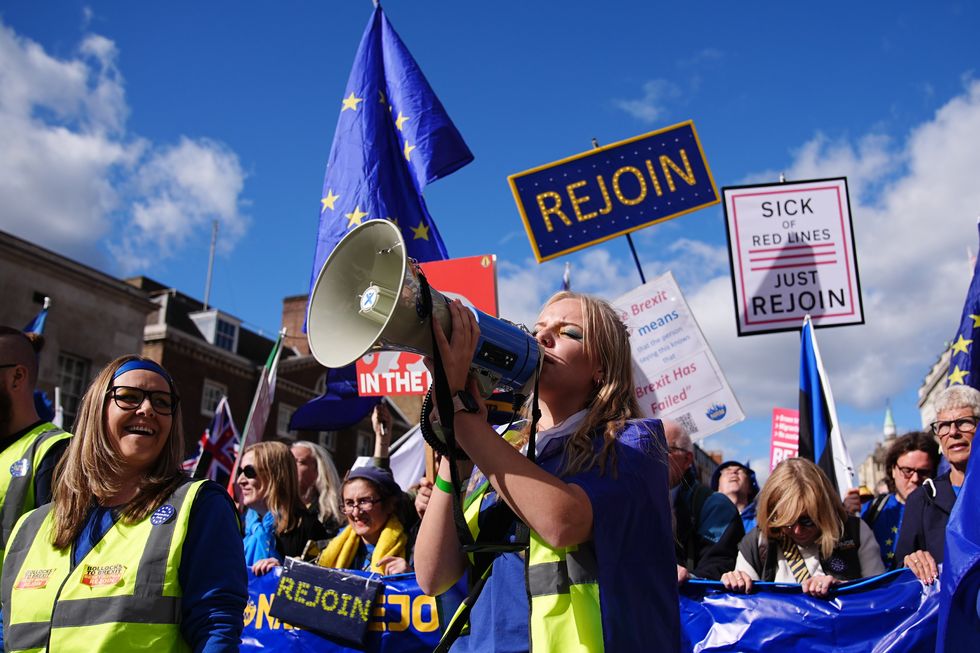
National Rejoin March in Whitehall
Ms Creasy, who admitted rejoining the EU would be a “hard road” requiring democratic consent, also argued that closer cooperation could begin immediately.
She told attendees: “Let us say it proudly and clearly in this room tonight: Drop the red lines now.”
Ms Creasy said negotiations should begin by identifying shared goals with European countries rather than simply setting out what Britain would refuse to accept.
However, Ms Creasy opened the door to restoring freedom of movement, claiming all options should be “on the table”.
She also said the single market and customs union should be considered, alongside arrangements covering the movement of people, goods and services.
Ms Creasy argued said that Brexit had failed to protect Britain against the threats posed by Russia, China and an increasingly unstable global environment.

She also warned that Nato is no longer powerful enough to cope with geopolitical threats.
“This idea that Nato is enough of a shared defence mechanism when tariffs are being used as a national security threat,” Ms Creasy said.
However, Brexiteers have argued Britain was able to respond better than Brussels to Russia’s invasion of Ukraine because it is no longer bound by EU decision-making.
The UK has also used its post-Brexit freedom to build relationships beyond Europe, including the CPTPP trade bloc and the AUKUS defence partnership with the US and Australia.
Supporters of Brexit argue more broadly that leaving the EU has allowed Britain to pursue an independent foreign policy, negotiate its own trade relationships and respond to international crises without having to reach agreement through EU institutions.