 By GB News (World News) | Created at 2026-08-13 14:10:51 | Updated at 2026-08-13 15:19:37
1 hour ago
By GB News (World News) | Created at 2026-08-13 14:10:51 | Updated at 2026-08-13 15:19:37
1 hour ago
Road crime victims in England and Wales have expressed feelings of dismay and of being left behind by the criminal justice system, according to a damning new report.
The Victims' Commissioner Claire Waxman's report was based on interviews with bereaved families and people left with life-changing injuries after criminal road collisions, who have called on the Government to do more.
It detailed how victims often feel their suffering is treated as less important than other serious crimes, despite road deaths being more than three times higher than homicides.
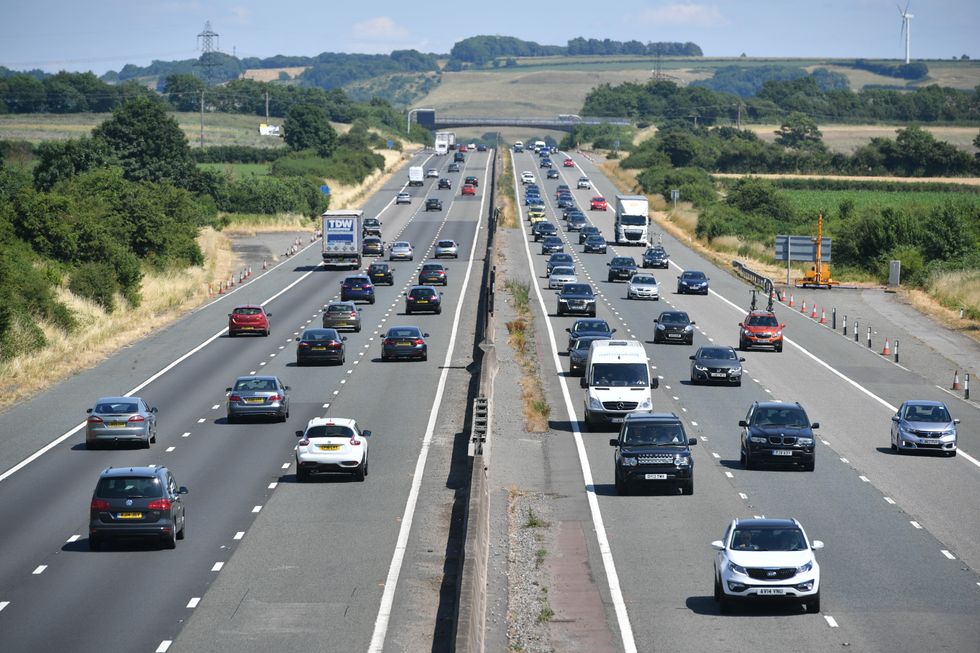
In the year to June 2025, an estimated 29,896 people were killed or seriously injured on the roads in England and Wales, with 1,579 deaths recorded.
Victims told researchers they were often left waiting for answers, with some unsure whether police would even treat their case as a criminal matter.
One bereaved relative said: "Road crime is not taken seriously, not at all. It's not treated as a real crime, and that's the way you feel the whole way through."
Another said the justice process had made their experience even worse, describing it as "nightmarish".
The report found investigations into fatal driving offences took an average of 372 days before police recorded an outcome.
The Victims' Commissioner report found Britons viewed road crime as not taken seriously
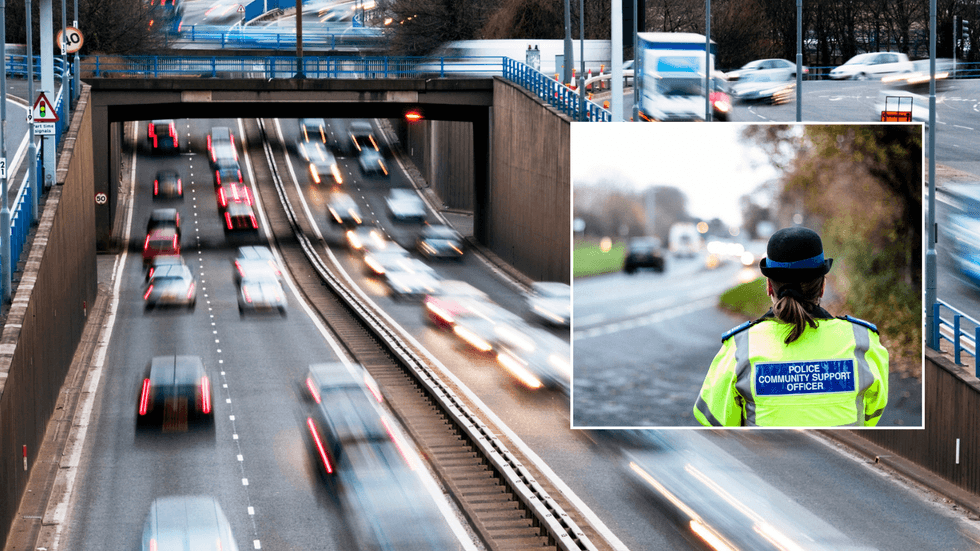
The findings follow the recent Road Safety Strategy unveiled in January, which included steps to tackle road deaths and serious injuries on Great Britain's roads by 65 per cent by 2035.
Police have also been promised a new Roads Policing Innovation Programme, while the Government is considering tougher action against uninsured and unlicensed drivers, motorists without an MOT and those who fail to stop and report collisions.
However, the Victims' Commissioner's report raises questions about what happens after a serious collision has taken place, and whether victims and bereaved families are getting the justice and support they need.
The Government's strategy itself acknowledges the scale of the problem, with around four people killed on UK roads every day, while thousands more are seriously injured each year.
Last year, 29,896 people were killed or seriously injured on the roads in England and Wales
Support for families was also criticised. Unlike families bereaved by homicide, people who lose loved ones in road crashes are unable to access the National Homicide Service.
Specialist charities and organisations can provide vital help, with some victims describing the support as "lifesaving", although several said they were never properly referred to these services and had to find help themselves.
One bereaved victim said: "I have had some very, very dark times and I don't think I would still be here without her. They need more funding. Definitely need more funding. They do a fantastic job."
The closure of RoadPeace in January 2026 has added concerns about the future of specialist support. The report stated there is currently no dedicated national funding stream for organisations supporting road collision victims.
Ms Waxman said too many victims felt road crime was not treated with the seriousness it deserved, and that many had been "forced to fight for basic information, answers and recognition" while dealing with devastating loss and trauma.
The Victims' Commissioner has issued six formal recommendations to criminal justice agencies and public bodies.
This includes stronger national standards for road collision investigations, better training for police officers, automatic referrals to specialist support services and long-term funding for victim organisations.
The recommendations also call for better information for victims about compensation and civil claims. The agencies involved must respond publicly within 56 days, either setting out what action they will take or explaining why they will not act.