 By GB News (World News) | Created at 2026-09-01 15:27:13 | Updated at 2026-09-01 16:59:30
1 hour ago
By GB News (World News) | Created at 2026-09-01 15:27:13 | Updated at 2026-09-01 16:59:30
1 hour ago
The Government must deliver on its promises to protect UK refineries in the upcoming Budget, the fuel industry says.
Ministers returning from a long summer break were warned that inaction "risks undermining domestic refining capacity and energy security".
Refineries were also "critical" to delivering on Andy Burnham's promises of growth and reindustrialisation, trade body Fuels Industry UK said.
Refineries turn crude oil into products including petrol, jet fuel and feedstocks for industry.
But the sector is battling high energy costs and intense global competition.
The UK's carbon tax regime alone means domestic refineries face charges of £200million a year.
Global competitors don’t shoulder these same costs, making it cheaper for them to manufacture essential fuel products.
This has led to “carbon leakage” - where the same product is imported to the UK because of lower costs, despite often being manufactured with higher overall emissions.
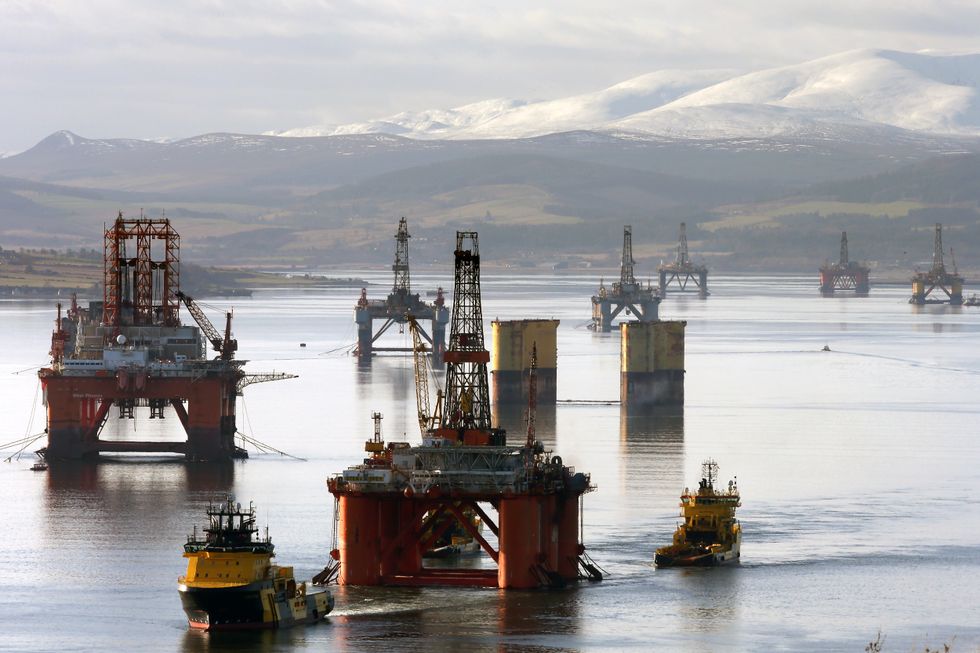
Five UK refineries have closed since 2005, with two – Grangemouth and Lindsey – shutting their doors in 2025 alone.
Just four remain, and these must be included in a new border scheme to protect businesses from carbon leakage, UK Fuels Industry says.
The Government is introducing the Carbon Border Adjustment Mechanism (CBAM), which sees imports attract a charge to reflect their carbon content.
This is designed to level the playing field with regimes that don't have strict carbon controls.
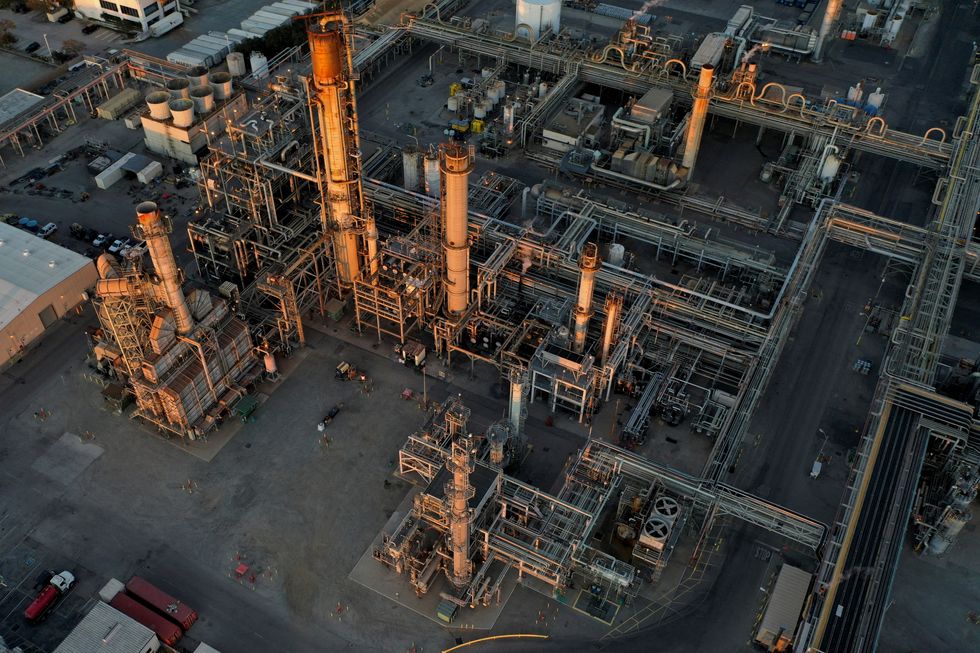
But while sectors including steel and fertiliser have been included in the CBAM, which comes into force next year, refineries have not. This is despite pledges to shield the sector.
Last year, Energy Minister Michael Shanks promised: "The Government are absolutely committed to a long-term future for the UK's refinery sector."
In February, Ed Miliband, then Energy Secretary, said: "We want to accelerate the work to get refineries into the CBAM, because that is the way in which we can help to protect their competitiveness".
And Prime Minister Mr Burnham has stated: "The question isn't whether Britain will still be using oil and gas, the question is where it comes from."
Elizabeth de Jong, chief executive of Fuels Industry UK, said this autumn's Budget must turn ministers' promises into action.
She said: "Recognition must now be matched by delivery.
"Ministers have repeatedly acknowledged the strategic importance of UK refining and committed to reviewing CBAM and the Autumn Budget must now demonstrate that those commitments will be translated into policy.
"UK refineries provide critical national resilience, support thousands of skilled jobs and reduce the UK's dependence on international supply chains.
"Their future is critical to delivering reindustrialisation, while reliable fuel supply is a prerequisite for growth in every part of the UK.
"As Parliament returns, industry must now see concrete progress on the commitments Ministers have already made.
"Our industry is securely delivering the fuels the UK needs and working to decarbonise our operations. Government must now play its part in ensuring the UK retains a competitive refining sector."
The Treasury has been contacted for comment.