By The Rio Times | Created at 2026-08-26 17:16:37 | Updated at 2026-09-27 20:12:14
1 month ago
By The Rio Times | Created at 2026-08-26 17:16:37 | Updated at 2026-09-27 20:12:14
1 month ago
Region · NEWS
Key Facts
- —Puerto Rico former Courtyard in Isla Verde relaunched as a full-service Marriott after a US$38 million overhaul
- —Costa Rica among 60 economies hit by new US tariffs, with a 12.5 percent rate in force since 24 July
- —El Salvador a company founded by ex-minister Pablo Anliker won US$4.65 million in school-food contracts
- —Honduras regulator CNBS warned of proliferating investment scams operating without legal protection
- —Paraguay Petropar raised fuel prices by 300 guaraníes per liter while Japanese investors toured tanneries
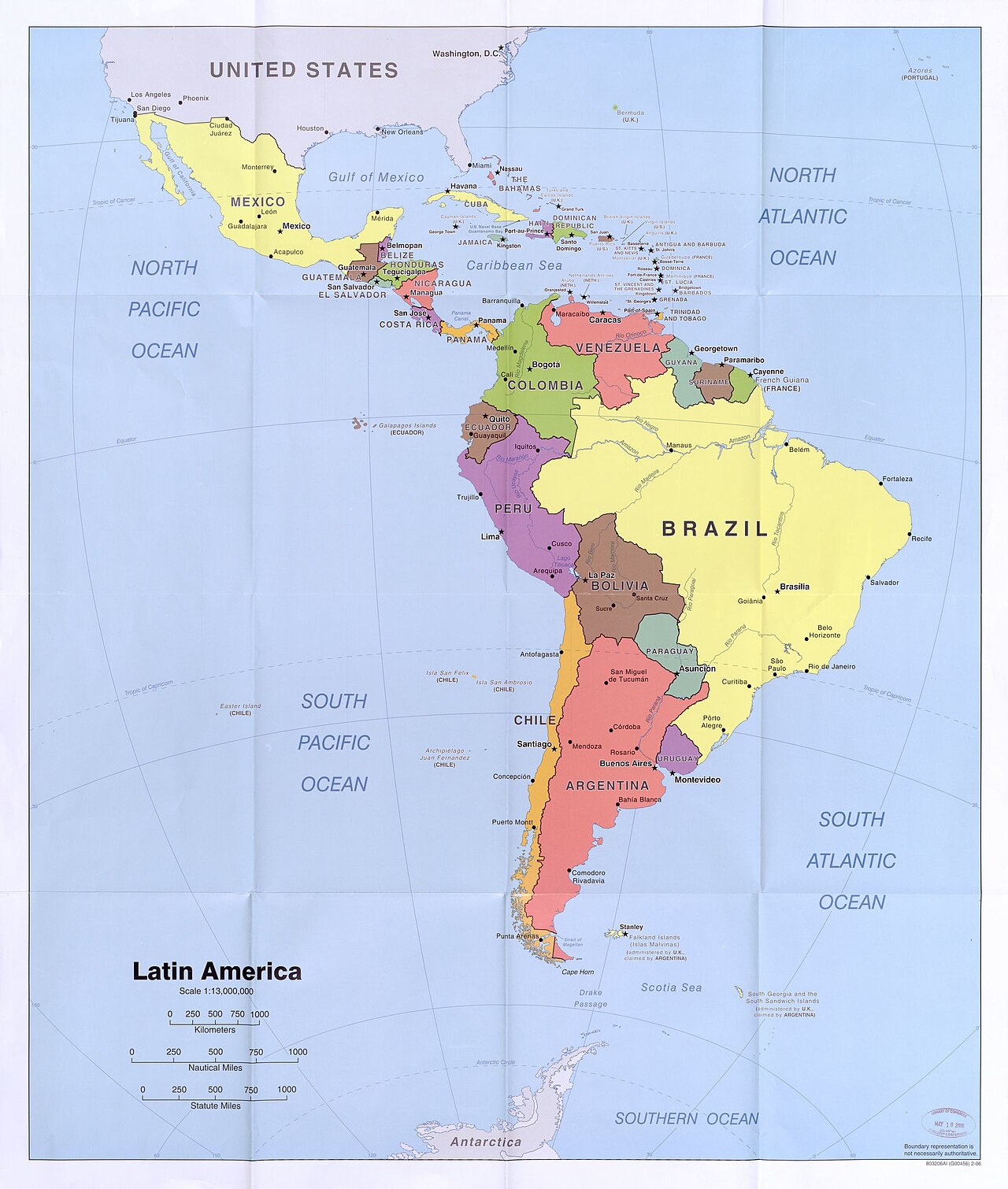
Five stories from five countries: a hotel reflagging in San Juan, tariffs in San José, school-food contracts in San Salvador, fraud warnings in Tegucigalpa, and fuel prices and tanneries in Asunción. Here is this week’s Latin America roundup.
This Latin America roundup for Wednesday, 26 August 2026, opens in Puerto Rico, where the Marriott Isla Verde Beach Resort inaugurated its new flag after a US$38 million transformation, and runs through Costa Rica, El Salvador, Honduras and Paraguay.
One-stop reference
Company Intelligence
Every listed company in Latin America — financials, ownership and structure for 1,450+ companies across 26 exchanges, in one place.
Puerto Rico: a US$38 million rebrand on Isla Verde beach
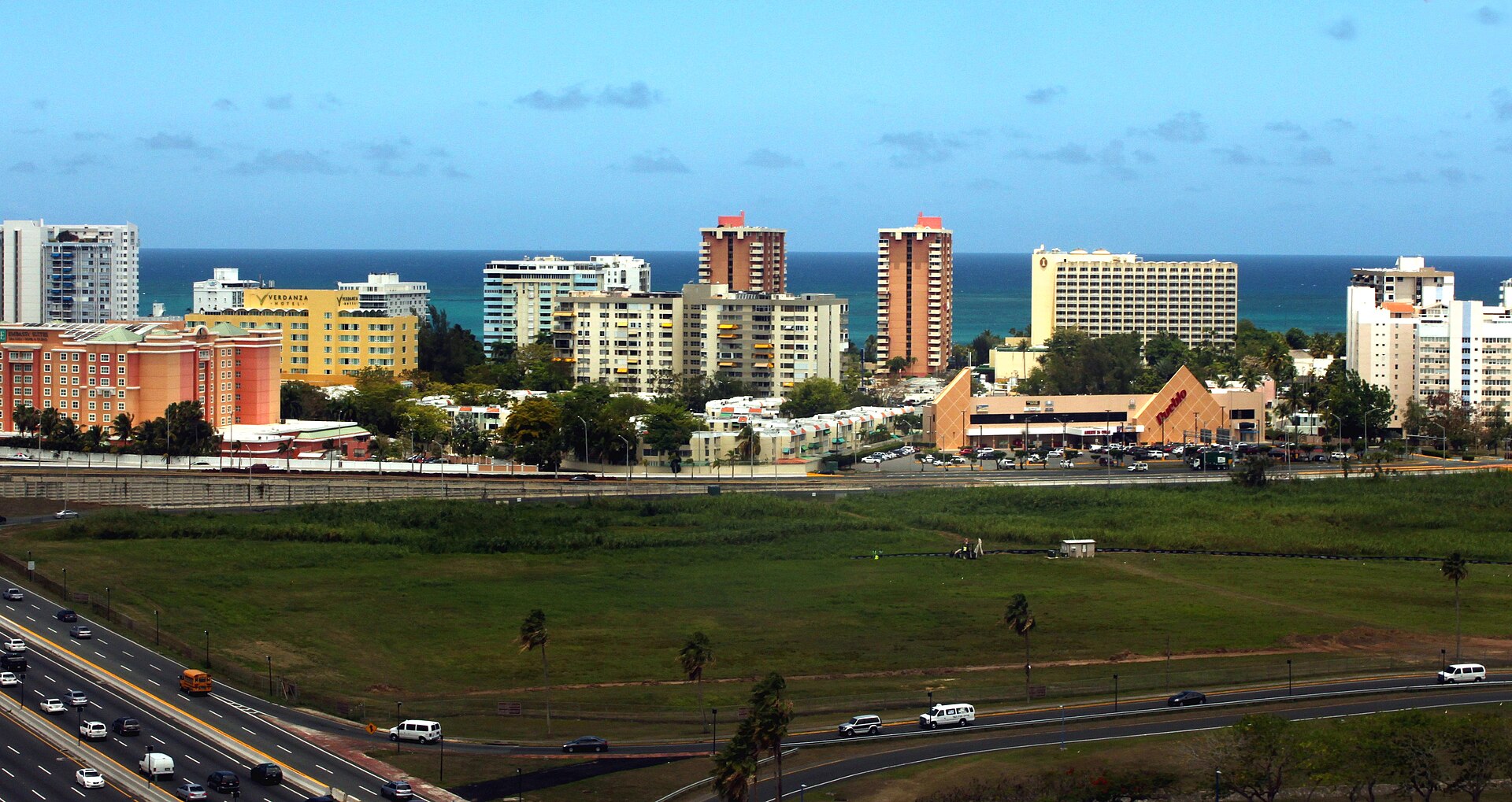
This Latin America roundup opens in San Juan, where the Marriott Isla Verde Beach Resort inaugurated its new flag after a transformation of about US$38 million, El Nuevo Día reported on 20 August 2026. The property, previously a Courtyard by Marriott, now operates as a full-service Marriott, a step up in the chain’s brand ladder for the beachfront strip.
The renovation covered all 260 rooms, each with a private balcony, as well as common areas and dining spaces, and the resort keeps direct access to Isla Verde beach. The project adds a new full-service option to one of Puerto Rico’s main tourism corridors, close to the San Juan airport.
Costa Rica: a compliant trade policy did not stop US tariffs
The next stop in this Latin America roundup is San José, where the weekly Semanario Universidad summed up the mood on 26 August: even a compliant, friendly policy toward Washington did not prevent the United States from imposing tariffs on Costa Rica alongside 59 other economies.
The measures stem from a Section 301 investigation by the US Trade Representative into 60 economies over bans on imports made with forced labor. Costa Rica landed in the group charged 12.5 percent, alongside the Dominican Republic and Nicaragua, for lacking what Washington considers an effective prohibition; countries such as El Salvador, Guatemala and Honduras face 10 percent. The tariffs took effect on 24 July 2026, keeping earlier exclusions for coffee, pineapple, banana and orange juice and adding cuttings, vegetable and fruit seeds and certain refined sugars, according to the foreign trade ministry, COMEX.
Costa Rica’s foreign trade minister, Indiana Trejos, responded by defending the country’s rules-based trade policy in a statement reported by Semanario Universidad. The weekly noted that San José had sought to avoid the tariffs through a compliant, accommodating policy toward Washington, without success.
El Salvador: ex-minister’s family firm wins school-food contracts
In the third story of this Latin America roundup, an investigation published by El Faro on 25 August 2026 found that a company founded by former agriculture minister Pablo Anliker has become the main food supplier to the Ministry of Education’s school feeding programs in El Salvador. The company, Productos e Inversiones Nacionales, known as Prodeina, won one of every three ministry contracts between 2025 and 2026 to supply the country’s 5,000 public schools.
The ministry assigned US$15,021,846 for food purchases, and 31 percent of that budget, US$4,650,459 across 2025 and 2026, went to contracts awarded to Prodeina, El Faro reported. On 25 February 2025 the company won US$2,504,681 to supply 700.61 metric tonnes of cereals for the school breakfast program, plus US$55,226 for rice; on 25 February 2026 it won a further US$2,090,552 covering cereal, rice, red beans, powdered milk, sugar and vegetable oil.
Anliker founded Prodeina on 23 March 2007, and the company began operations with assets of US$11,428, according to the official gazette and financial statements cited by El Faro. A 2008 financial statement identified Anliker as owner of 99.99 percent of its shares. By the 2023 balance sheet, his father, Pablo Anliker Palomo, chaired the board, and he appears as the beneficiary of the education ministry contracts on the public procurement site. Anliker was named in US corruption-related sanctions lists after leaving office, according to earlier El Faro reporting.
Honduras: CNBS warns of proliferating investment scams
Honduras’s National Banking and Insurance Commission, the CNBS, warned this week that fraudulent investment schemes are proliferating and urged Hondurans to verify that any entity taking their money is authorized, local outlets including Proceso and Hondudiario reported on 25 August, in the fourth stop of this Latin America roundup. Funds handed to unauthorized entities have no legal protection, the regulator said.
The alert follows a string of cases. The CNBS has named UNIFIN, Monavex and Cryptaespon as unregulated operators, Criterio reported, and the Koriun Inversiones case remains the country’s emblematic fraud: the scheme promised five percent weekly interest and left around 30,000 victims, with its manager, Iván Velásquez, facing a money-laundering process.
Paraguay fuel prices and Japanese interest close this Latin America roundup
In Asunción, the final stop of this Latin America roundup, state oil company Petropar adjusted all of its fuel prices upward by 300 guaraníes per liter, about US$0.05, from 17 August 2026. Petropar president William Wilka said the adjustment was kept as small as possible given high international prices for oil products, and added that the dollar’s slide against the guaraní helped limit the increase, La Tribuna reported. Diesel Pora now costs 2,890 guaraníes per liter, Diesel Mbarete 10,300 and the Kape88 gasoline 6,990, about US$1.17 at roughly 6,000 guaraníes per dollar.
Petropar says its prices remain below those of private brands, and Wilka estimated the new levels can hold at least until mid-September, La Tribuna reported.
Also in Paraguay, a Japanese business delegation toured the Cencoprod Ltda. tannery to explore investment in processing animal products and byproducts, Última Hora reported on 26 August. The group, accompanied by Laura Coronel of the animal health service Senacsa, was led by Yuko Itoh and included collagen and gelatin division executives, as well as Naoki Nagaoka of the Japanese Chamber of Commerce and Industry in Paraguay. The visitors reviewed the plant’s processes and the capacity of Paraguay’s leather industry and exchanged views on possible cooperation, according to the report.
Frequently Asked Questions
What is in this Latin America roundup?
A US$38 million Marriott rebrand in Puerto Rico, new 12.5 percent US tariffs on Costa Rica, school-food contracts won by a former minister’s family company in El Salvador, a fraud alert from Honduras’s financial regulator, and fuel prices plus Japanese investment interest in Paraguay complete this Latin America roundup.
How much are the new US tariffs on Costa Rica?
Costa Rica faces a 12.5 percent tariff, in force since 24 July 2026, under a US investigation of 60 economies over forced-labor import bans. Exclusions for coffee, pineapple, banana and orange juice were kept, and cuttings, vegetable and fruit seeds and certain refined sugars were added.
Why did Petropar raise fuel prices in Paraguay?
Petropar raised all fuels by 300 guaraníes per liter from 17 August 2026. President William Wilka cited high international prices for oil products and said the stronger guaraní against the dollar limited the rise, with the new prices expected to hold at least until mid-September.
Sources
- www.elnuevodia.com
- semanariouniversidad.com
- beta.elfaro.net
- proceso.hn
- www.hondudiario.com
- criterio.hn
- www.latribuna.com.py
- www.ultimahora.com
This article was produced by The Rio Times’ automated newsroom system. How we use AI · Report an error
The Rio Times · Power Map
See who really holds power in Latin America
Click to open the Power Map →