By The Rio Times | Created at 2026-09-17 08:06:48 | Updated at 2026-09-17 09:28:03
1 hour ago
By The Rio Times | Created at 2026-09-17 08:06:48 | Updated at 2026-09-17 09:28:03
1 hour ago
Key Facts
- Gerdau slipped 1.38% to US$4.99 in New York trading, extending Tuesday’s sell-off as the construction-linked steelmaker led regional losses.
- Global steel shares were broadly softer reflecting caution across the sector after the Fed’s increase.
- CSN bucked the trend rising +0.83% to US$1.21, helped by Brazil’s five-year anti-dumping duties on Chinese flat steel.
- Ternium eased 0.47% to US$56.98, following a strong Tuesday session as investors weighed Mexico’s 20% tariff wall on Chinese steel.
- Brazil’s import penetration reached 22.5% in the first half of 2026, showing Chinese steel still finds buyers despite the 25% quota tariff.
- China supplied 45.4% of Latin America’s steel imports in 2025, making tariff policy the central swing factor for local producers.
Today’s Focus
Latin American steel shares were mostly softer on Wednesday, with Brazil’s Gerdau the biggest faller among the region’s major producers. Its New York ADR dropped -1.38% to US$4.99, while Mexico’s Ternium dipped -0.47% to US$56.98. Only Brazil’s CSN advanced, climbing +0.83% to US$1.21.
The moves tracked a broadly cautious session for global steel shares. Traders were digesting the US Federal Reserve’s 25-basis-point rate hike, which lifted financing costs for construction projects across Latin America. Higher rates make mortgages and infrastructure borrowing more expensive, a direct hit to long-steel demand.
Trade defences remain the region’s main shield. Brazil runs a 25% tariff on steel imports above quotas across 19 product categories, plus five-year anti-dumping duties on Chinese cold-rolled, coated, galvanised and wire rod. Mexico applies tariffs of between 5% and 50% across some 1,463 tariff lines, with steel reported at around 20%.
Yet Chinese mills still supplied nearly half of Latin America’s steel imports in 2025. Brazil’s first-half 2026 import penetration hit 22.5%, proof that cheaper Asian supply keeps leaking through the walls.
What matters today. The session was about Fed-rate pressure on construction demand offsetting the support from Latin America’s tariff walls against Chinese steel.
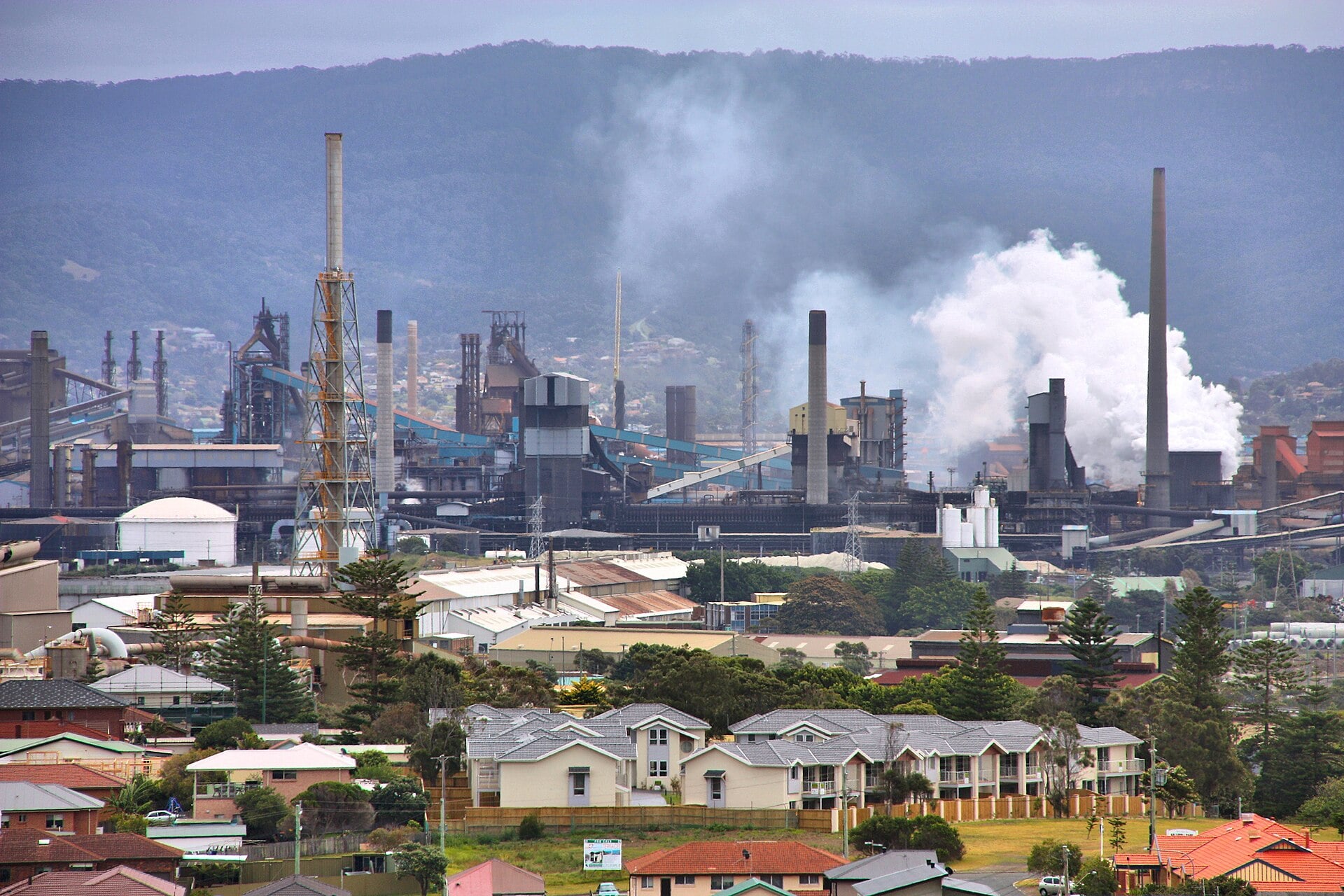
01 The session in one read
Wednesday brought a mixed close for Latin American steel, with construction-linked names lagging and one flat-steel winner. Gerdau, Brazil’s long-steel bellwether, fell -1.38% to US$4.99 on its New York ADR, the weakest among regional producers tracked by The Rio Times.
Mexico’s Ternium slipped -0.47% to US$56.98, giving back a slice of Tuesday’s strong gain. Brazil’s CSN went the other way, adding +0.83% to US$1.21. Global steel shares were broadly softer on the day.
Latin American steelmakers are caught between two forces: tariffs that protect their home markets and central-bank tightening that cools the construction they depend on. Gerdau’s decline shows investors pricing in slower building activity, while CSN’s gain suggests flat-steel producers still benefit from anti-dumping coverage. Watch Brazil’s monthly construction activity and Mexico’s auto output for the next signal.
02 The board
The price action split along product lines. Gerdau’s long-steel exposure to Brazilian homebuilding made it the session’s casualty, as the US Federal Reserve’s 25-basis-point rate hike rippled into construction finance. Long steel goes into rebar and beams, the skeleton of residential and commercial projects.
CSN’s rise showed the other side of the trade. Its sheet and coated products face less direct construction exposure and enjoy five-year anti-dumping duties on Chinese cold-rolled, coated and galvanised steel. Ternium’s modest decline kept it in the middle, cushioned by Mexico’s tariff structure on steel imports.
| Steel (SLX ETF) | US$106.19 | -0.37% |
| Gerdau | US$4.99 | -1.38% |
| CSN (ADR) | US$1.21 | +0.83% |
| Ternium | US$56.98 | -0.47% |
Source: RT close, 2026-09-16. Where a commodity has no spot feed, an exchange-traded tracker or leading producer is shown as a labelled proxy.
Live Market IntelligenceThe live market boardInside: market breadth, the sector heatmap, currencies & rates, the Latin America scoreboard and the full instrument board.Rio Times · Live Market Intelligence
Latin America — Cross-Market Board
Regional
Sep 17, 2026 · 04:32
Ibovespa · benchmark
185,547.66 -0.51%
L 167,142day rangeH 168,310
+21.85% over 12 months
Market breadth · 5 names
20% advancing
1 ▲ advancing4 declining ▼
Currencies, rates & key inputs
Latin America scoreboard
IndexLastTodayStrength
IbovespaBrazil 185,547.66 -0.51%
S&P/BMV IPCMexico 63,507.11 -1.11%
S&P IPSAChile 11,235.54 -0.77%
S&P MERVALArgentina 3,028,871 -1.65%
MSCI COLCAPColombia 2,511.76 -2.16%
BVL S&P PerúPeru 58,496.57 +0.80%
Full instrument board
| IBOV | 185,547.66 | -0.51% | +21.85% | 186,502.64 | 168,310 | 167,142 | — |
| IPSA | 11,235.54 | -0.77% | — | 11,322.60 | 11,210 | 10,984 | 1,513,213,483 |
| IPC MEX | 63,507.11 | -1.11% | +12.17% | 64,216.98 | 66,121 | 65,405 | 108,886,187 |
| MERVAL | 3,028,871 | -1.65% | +30.51% | 3,022,485 | 3,042,365 | 2,991,150 | — |
| COLCAP | 2,511.76 | -2.16% | — | 9.04 | 9.05 | 9.02 | 4,133 |
| BVL PERÚ | 58,496.57 | +0.80% | — | — | — | — | — |
| USD/BRL | 5.16 | +0.01% | -5.13% | 5.16 | 5.18 | 5.14 | — |
| EUR/BRL | 5.95 | +1.01% | -5.83% | 5.89 | 5.98 | 5.94 | — |
| USD/MXN | 17.06 | -0.24% | -8.58% | 17.10 | 17.08 | 17.01 | — |
| USD/CLP | 913.98 | +0.04% | -5.67% | 913.65 | 915.11 | 906.68 | — |
| USD/COP | 3,140 | +0.03% | -22.04% | 3,139 | 3,141 | 3,105 | — |
| USD/PEN | 3.36 | -0.66% | -4.82% | 3.38 | 3.38 | 3.35 | — |
| USD/ARS | 1,493 | +0.10% | +12.96% | 1,491 | 1,494 | 1,480 | — |
| USD/UYU | 40.27 | +1.24% | +1.80% | 39.77 | 40.27 | 40.23 | — |
| USD/PYG | 5,939 | +1.68% | -19.54% | 5,841 | 5,939 | 5,925 | — |
| USD/BOB | 11.64 | -0.76% | +72.04% | 11.73 | 11.72 | 11.64 | — |
| USD/DOP | 58.34 | +1.25% | -3.44% | 57.62 | 58.34 | 58.04 | — |
| USD/CRC | 445.92 | +0.89% | -9.71% | 441.97 | 448.50 | 445.92 | — |
Largest moves today
COLCAP 2,511.76 -2.16%
USD/PYG 5,939 +1.68%
MERVAL 3,028,871 -1.65%
USD/DOP 58.34 +1.25%
USD/UYU 40.27 +1.24%
IPC MEX 63,507.11 -1.11%
EUR/BRL 5.95 +1.01%
USD/CRC 445.92 +0.89%
The session read
The Ibovespa eased 0.51%, with breadth negative — 1 of 5 names higher. BVL PERÚ led, while COLCAP lagged.
G
◆ Live Company Intelligence
Gerdau
SA: GGBR4GGBR4Basic MaterialsSteel30,000 employees
Valuation & profitability
Market capR$50.71B
Revenue (TTM)R$69.54B
P / E ratio21.7
Profit margin3.2%
Return on equity4.2%
Price & risk
52-wk low
$15.9852-wk high
$26.44
Beta (volatility)0.89
200-day average$22.11
Revenue trend · 6y
20202025
Latest R$69.86B
Ownership
Institutions49.6%
Shares outstanding1.24B
Dividend
Yield3.2%
Payout ratio26.3%
Fwd. annual$0.92
What Gerdau does. Gerdau S.A., together with its subsidiaries, operates as a steel producer company. It operates through Brazil Business, North America Business, and South America Business segments. The company offers rebars, bars, wires, thick plates, hot rolled coils, billets, blooms, plates, wire rods, and structural profiles. It also provides special steel products for agricultural,…
03 What moved it
The Federal Reserve’s 12-0 vote for a 25-basis-point rate hike set Wednesday’s tone, and 16 of 18 policymakers signalled another increase in 2026. Higher US rates pull global capital away from emerging markets and raise financing costs for Latin American builders, squeezing steel demand at the margin.
Cheap Chinese imports remain the structural threat. China supplied 45.4% of Latin America’s steel imports in 2025, and regional import penetration approached 39.7%. Brazil’s first-half 2026 penetration of 22.5% shows the tariff wall is not impenetrable.
Brazil’s 25% quota tariff on 19 steel product categories, in force through June 23, 2027, and its anti-dumping duties on Chinese flat products and wire rod are the main policy buffer. Mexico layers a 25% steel tax with a newer 5% to 50% tariff scheme, with steel lines near 20%.
04 The Latin American read
For foreign investors, the split between Gerdau and CSN illustrates how tariffs do not protect every steelmaker equally. Long-steel producers tied to construction feel the rate cycle first, while flat-steel makers with anti-dumping coverage can hold pricing power.
Mexico’s Ternium sits between the two worlds. Its flat-steel business serves auto plants and appliance makers, but its US$56.98 close shows investors still see tariff support outweighing the demand risk for now.
05 The names to watch
Gerdau is the purest proxy for Brazilian construction and the most sensitive to local mortgage rates. Any signal that Brazil’s central bank will follow the Fed higher would pressure the stock further.
CSN and Usiminas, Brazil’s other two large integrated steelmakers besides Gerdau, benefit from anti-dumping duties on the flat products central to their coil and sheet businesses. Ternium remains the Mexican flat-steel leader, with tariff protection on non-free-trade-agreement imports supporting its margins.
06 The outlook
The next move depends on whether Brazil and Mexico follow the Fed with their own rate hikes. Higher domestic rates would cool construction and auto demand, testing the tariff-driven margin support. The variable to watch is Chinese export pricing: if Chinese mills cut further to push steel into Latin America, even tariff walls may not stop volume leakage.
07 What to watch
- Brazil construction starts: The leading indicator for Gerdau’s long-steel demand; a drop would hurt the stock.
- Mexico auto output: Ternium’s flat-steel sales depend heavily on vehicle assembly; watch monthly production.
- China steel exports: Rising Chinese shipments to Latin America would undermine local pricing despite tariffs.
- Regional rate decisions: Further hikes by Copom or Banxico would deepen the construction and auto slowdown.
Frequently Asked Questions
Why did Gerdau fall on Wednesday?
Gerdau’s New York ADR dropped 1.38% to US$4.99 as the Federal Reserve’s rate hike raised borrowing costs for Brazilian construction, weakening the long-steel demand outlook.
How do Brazil’s steel tariffs work?
Brazil imposes a 25% tariff on steel imports above quotas across 19 product categories, running through June 23, 2027, plus five-year anti-dumping duties on Chinese cold-rolled, coated, galvanised and wire rod.
What is Mexico’s steel tariff structure?
Mexico applies tariffs of 5% to 50% across 1,463 tariff lines, with steel around 20%, plus a separate 25% steel tax on non-free-trade-agreement imports in force since August 2023.
How much Chinese steel does Latin America import?
Chinese mills supplied 45.4% of Latin America’s steel imports in 2025, and Brazil’s first-half 2026 import penetration hit 22.5% despite tariff walls.
Market data: RT
This article was produced by The Rio Times’ automated newsroom system. How we use AI · Report an error
LatAm Markets: Live Signals → — real-time movers, turnover leaders and FX across Latin America.
The Rio Times · Power Map
See who really holds power in Latin America
Click to open the Power Map →