 By The Washington Times (Politics) | Created at 2026-08-13 21:46:05 | Updated at 2026-08-13 22:55:03
1 hour ago
By The Washington Times (Politics) | Created at 2026-08-13 21:46:05 | Updated at 2026-08-13 22:55:03
1 hour ago
Los Angeles County Sheriff Robert Luna has agreed to speed up issuing concealed-carry permits, in a deal struck with the Trump Justice Department that commits the county to making an initial decision within 90 days.
Last year, when DOJ sued, wait times averaged more than nine months and some stretched to nearly three years.
Thursday’s settlement credits the department with surging resources to cut the time.
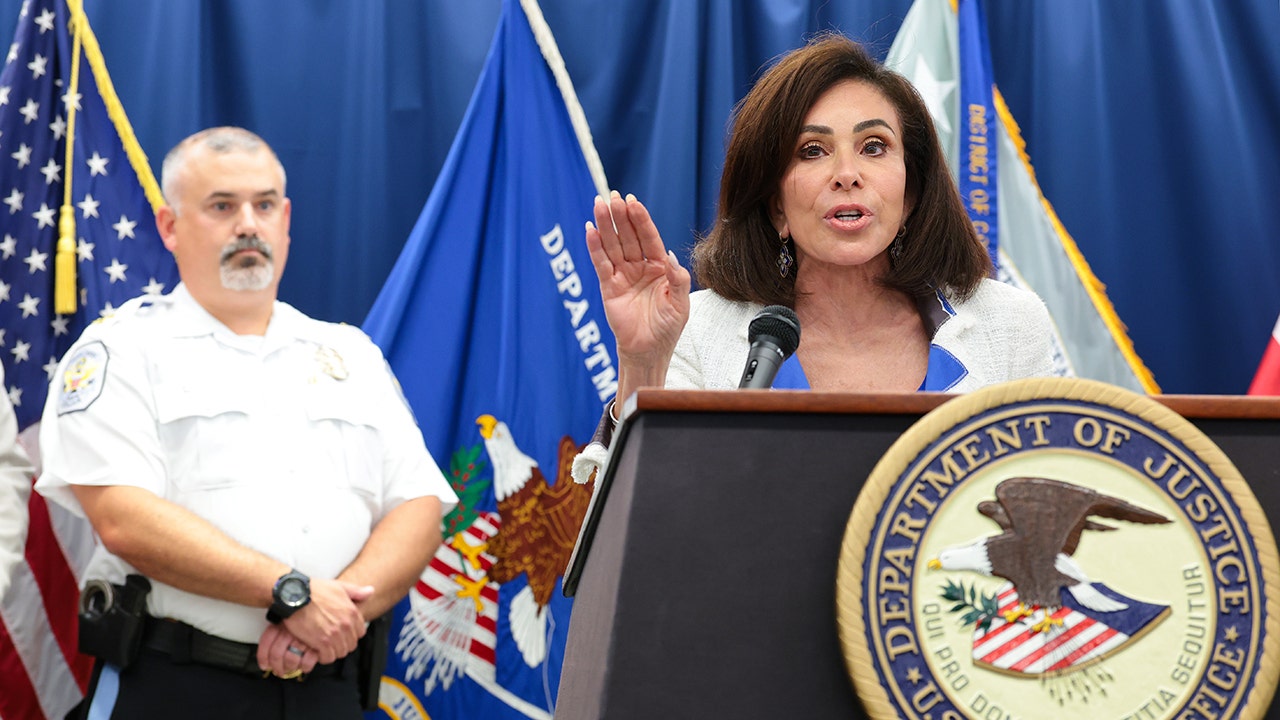
“The sheriff acknowledged the problem and devoted substantial additional resources, including new processing software and additional personnel, to cutting waiting times dramatically,” said Assistant Attorney General Harmeet K. Dhillon of the Justice Department’s Civil Rights Division.
She said she was “happy to be able to bring this litigation to a successful conclusion.”
The Washington Times has reached out to the sheriff’s office for comment.
The lawsuit, filed in September, had accused the sheriff’s department of having “systematically denied” gun rights to residents by slow-walking their applications.
DOJ said that over 15 months beginning in January 2024, nearly 4,000 applications for concealed-carry licenses were filed. Just two had been approved.
Applicants had to wait more than nine months, on average, just to see processing begin. Some had been waiting more than 1,000 days.
California law required initial determinations within 90 days.
The Justice Department said that meant the county was violating both state law and the U.S. Constitution.
A 2022 Supreme Court decision struck down state laws that imposed onerous restrictions on obtaining concealed-carry permits, ruling that the Constitution protects the right to carry a gun for self-defense outside the home.
The Justice Department argued that Los Angeles’s delays hindered that right.
California law used to require applicants to show “good cause” why they needed a permit, but the sheriff’s department said it stopped enforcing that after the 2022 Bruen decision.
The department instead blamed staffing shortages, saying processing applications was an “unfunded mandate.”
It acknowledged the backlog but insisted it was working through the applications.
It said it cut the backlog from 10,000 cases at the end of 2022 to 3,200 applications as of last September.