By The Rio Times | Created at 2026-06-07 08:03:48 | Updated at 2026-06-07 11:58:07
4 hours ago
By The Rio Times | Created at 2026-06-07 08:03:48 | Updated at 2026-06-07 11:58:07
4 hours ago
Ecuador · Society
Key Facts
—The event: A large fire tore through the artisanal fishing area of the port of Manta, Ecuador, on Saturday, June 6.
—The damage: National authorities reported between 25 and 35 fishing boats completely burnt and two people seriously injured.
—The place: Manta is one of the main fishing ports on Ecuador’s Pacific coast and the country’s tuna-fishing hub.
—The cause: Authorities said the origin of the blaze was still under investigation.
—The stake: The losses fall on small-scale fishermen in a city where tuna and artisanal fishing anchor the local economy.
A major fire at the port of Manta destroyed dozens of fishing boats and seriously injured two people on Saturday, striking the artisanal fishing fleet of one of Ecuador’s most important Pacific ports while authorities investigate the cause.
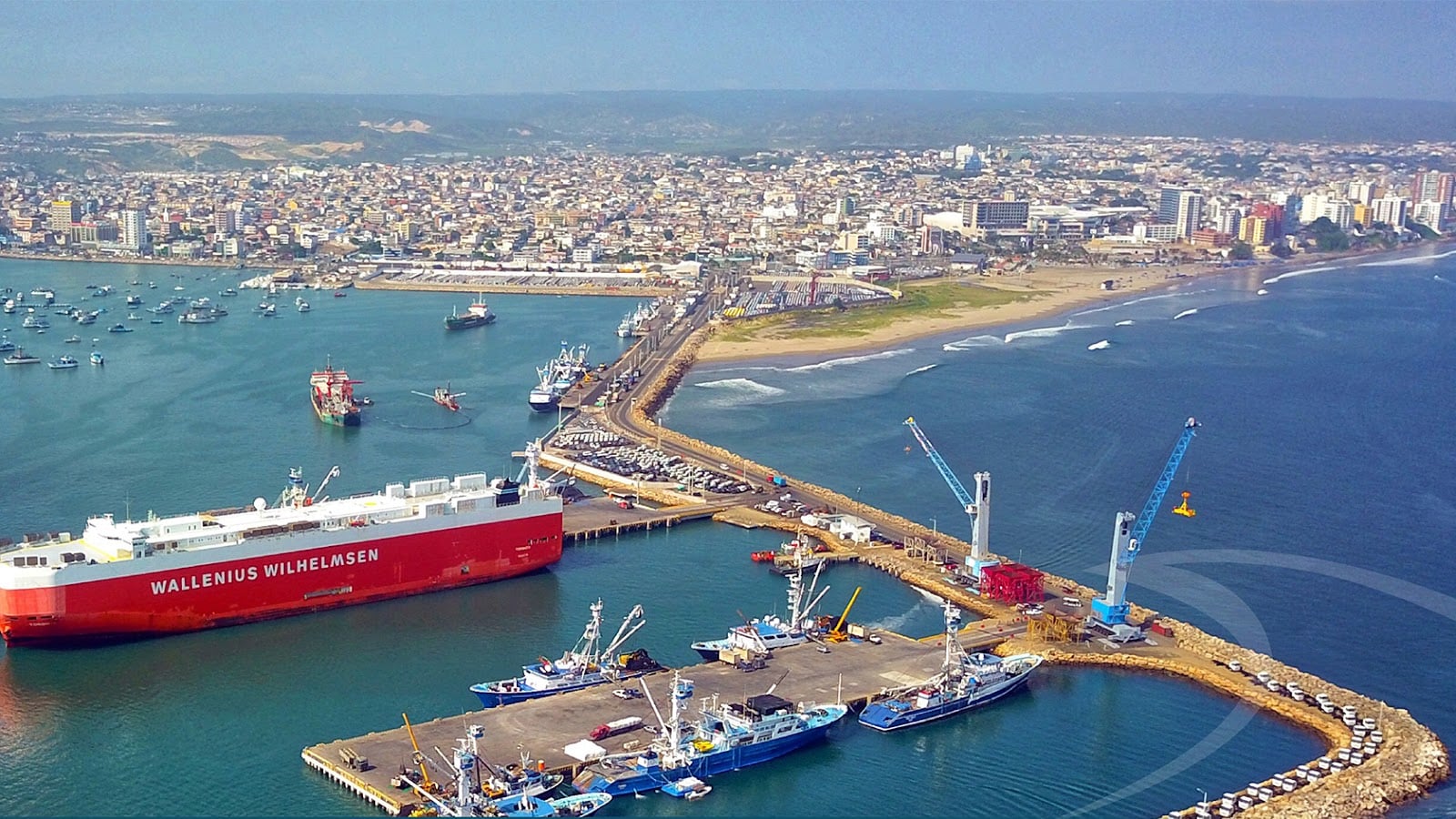 The port of Manta, Ecuador’s main tuna-fishing hub, where a fire destroyed dozens of fishing boats on June 6. (Photo: Internet reproduction)
What happened at the port of Manta
The fire broke out on Saturday in the artisanal fishing zone of Manta, on Ecuador’s central Pacific coast. Images carried by international agencies showed wooden vessels engulfed in flames and heavy smoke over the waterfront.
National authorities reported that at least 25 boats were completely burnt, with some accounts putting the figure as high as 35. Two people were seriously injured, and emergency crews worked to stop the flames spreading along the densely packed moorings.
The cause of the blaze had not been established. Authorities said it remained under investigation, a common situation in the early hours after fires in crowded artisanal harbours where fuel and timber sit close together.
Fires in such moorings can spread quickly from one vessel to the next, as packed wooden hulls and stored fuel turn a single ignition into a chain reaction. Containing the flames before they reach the wider port is often the first priority for responders.
Why the port of Manta matters
Manta is no ordinary harbour. It is one of the principal fishing ports on Ecuador’s Pacific and is widely regarded as the country’s tuna capital, with an industry that reaches well beyond the artisanal docks hit by the fire.
Fishing is a pillar of the local economy in a city of more than 250,000 people. The artisanal fleet supplies both domestic markets and the processing plants that feed Ecuador’s wider seafood export sector.
That concentration is what gives a dockside fire an economic dimension. Each lost vessel represents a family’s livelihood, and the destruction of dozens at once removes a meaningful slice of local fishing capacity at a stroke.
Manta’s identity is bound up with the sea. The city styles itself as a tuna and fishing capital, and its calendar, employment and tourism all draw on a working waterfront, which is why an incident on the docks resonates well beyond the immediate losses.
The human and economic cost
For the fishermen of Manta, the immediate loss is stark. Artisanal boats are typically uninsured or underinsured, meaning the destruction of a vessel can wipe out a household’s main source of income overnight.
Beyond the boats themselves, gear, engines and the day’s stored catch are often lost in such fires. Rebuilding can take months, during which crews have no way to work and dependent families face a sudden gap in earnings.
The two serious injuries add a human toll to the material damage. Local and national authorities will face pressure to support affected families and to clarify what set off the fire.
Artisanal fishing communities tend to operate on thin margins, with little financial cushion to absorb a sudden shock. A lost boat is not just an asset but the basis of a daily wage, and replacing one can require credit that many crews struggle to obtain.
The ripple effects can reach beyond the fishermen themselves, touching the buyers, processors and market traders who depend on a steady supply of catch. A disruption at the dock can be felt along the whole chain.
What comes next
The first task is the investigation into the cause, which will determine whether the fire was accidental and whether safety conditions at the moorings contributed. Findings could shape how the port manages fuel storage and vessel spacing in future.
Attention will then turn to relief for those who lost boats, and to whether any public assistance is offered to help the fleet recover. The episode lands at a time when Ecuador’s economy is under strain on several fronts.
Fishing has been one of the brighter spots in that economy, with seafood among the non-oil exports the country is leaning on as crude output declines. Damage to artisanal capacity, even if localised, runs against that grain.
How quickly Manta’s fishermen can return to the water will depend on insurance, credit and any support that materialises in the days ahead. For now, the immediate concern is the two people seriously hurt and the families whose boats are gone.
For the wider economic context, see our Ecuador economy 2026 outlook, which sets out how fishing and other non-oil exports fit into the country’s recovery.
Frequently asked questions
What happened at the port of Manta?
A large fire broke out in the artisanal fishing area of Manta, Ecuador, on Saturday, June 6, destroying dozens of fishing boats and seriously injuring two people.
How many boats were destroyed?
National authorities reported that between 25 and 35 fishing boats were completely burnt. Accounts of the exact number varied in the hours after the blaze.
What caused the fire?
The cause had not been determined. Ecuadorian authorities said the origin of the fire was still under investigation.
Why is Manta important to Ecuador?
Manta is one of the main fishing ports on Ecuador’s Pacific coast and the country’s tuna-fishing hub, making fishing a central part of the local economy.