 By The Epoch Times | Created at 2026-09-06 20:11:30 | Updated at 2026-09-06 21:13:16
1 hour ago
By The Epoch Times | Created at 2026-09-06 20:11:30 | Updated at 2026-09-06 21:13:16
1 hour ago
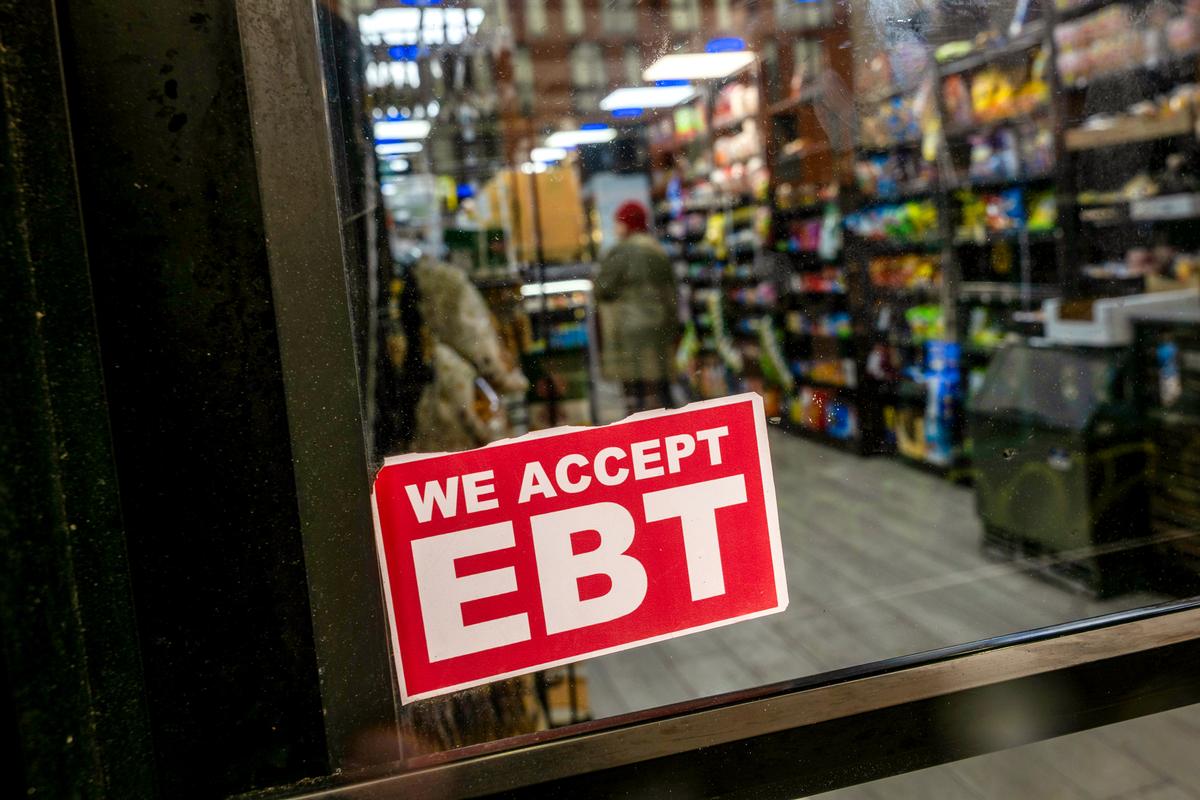
A store displays a sign for Electronic Benefits Transfer (EBT) cards for Supplemental Nutrition Assistance Program (SNAP) purchases in New York City on Oct. 30, 2025. Spencer Platt/Getty Images
Maximum monthly food assistance available through the Supplemental Nutrition Assistance Program (SNAP) will increase Oct. 1 in most of the country, with the benefit ceiling for a family of four reaching $1,023 in the 48 contiguous states and Washington. That’s an increase from the current $994 maximum allowed for a family of four.
The amount of the federal benefit for food stamps varies by the size of the family and income. Most states work with the same benefits scale. However, Alaska and Hawaii have their own benefit scales as do Guam and the Virgin Islands.
Because the published amounts are maximums, individual households may receive less—or see no increase—depending on their income, deductions, and changes in household size during the year.
As of May 2026, the average monthly benefit per U.S. household was $344.51.
The monthly amount paid out in SNAP benefits has dropped from $13.4 billion in October 2022 to $6.8 billion in May 2026.
There are a few reasons for that drop.
Many states were giving additional SNAP benefits because of COVID-19 in 2022. Many of the states ended their extra COVID-19 payments in March 2023.
Also, there are now fewer people on SNAP. The number of participants in SNAP reached 54.6 million in July 2023. That number dropped to 36.5 million as of May 2026.
The USDA cautions that monthly figures are subject to revision. The latest update was Aug. 14.
The increase in the cost of living comes at a time when states and the federal government are grappling over the share states should pay for the food stamp program.
States are moving to reduce SNAP payment errors before new financial penalties take effect. Forty-one states and Washington recorded error rates above 6 percent in fiscal 2025, the threshold that can trigger state responsibility for part of benefit costs beginning in October 2027.
Virginia has stopped allowing applicants to self-report income and expenses without verification. Louisiana is offering employees who administer the program $1,500 bonuses for keeping error rates below 4 percent. Mississippi is replacing its 35-year-old eligibility system, while Minnesota is investing millions in updated technology.
The errors include both overpayments and underpayments and are not necessarily evidence of fraud.
States will also assume a larger share of the cost of administering SNAP beginning in October.
Under the One Big Beautiful Bill Act, the federal government will generally reimburse 25 percent of state administrative expenses, down from the 50 percent it has paid until now. States will be responsible for the remaining 75 percent.
Sylvia Xu contributed to this report.