By The Diplomat | Created at 2026-08-14 19:25:44 | Updated at 2026-08-14 21:41:09
10 hours ago
By The Diplomat | Created at 2026-08-14 19:25:44 | Updated at 2026-08-14 21:41:09
10 hours ago
On August 7, Saudi Arabia, Pakistan and Turkiye concluded the Mecca Joint Deterrence Agreement to strengthen “collective deterrence” against any act of aggression. The agreement states that an armed attack against “any one of the three states shall be regarded as an attack against them all.”
Signed in the holy city of Mecca by Saudi Crown Prince and Prime Minister Mohammed bin Salman, Turkish President Recep Tayyip Erdogan and Pakistani Prime Minister Shehbaz Sharif, the pact expands the bilateral Strategic Mutual Defense Agreement (SMDA) between Riyadh and Islamabad signed in September 2025, to include Turkiye.
Turkish Foreign Minister Hakan Fidan said more countries could join, potentially Egypt, though Cairo hasn’t responded. As per reports, Saudi Arabia has opposed Egypt’s inclusion due to President Abdel Fattah al-Sisi’s growing proximity with the United Arab Emirates (UAE).
Drawing a parallel to NATO’s Article 5 that calls for mutual defense, Fidan said the three signatories to the Mecca Agreement would decide through consultations the degree, form, and format of support they would request in the event of an attack.
The pact has raised several questions on its implications for India. While caution is advised, it shouldn’t be exaggerated for a variety of reasons.
Diversifying Security
The joint statement issued after the signing of the pact said that it was based on the enduring bonds of “brotherhood and Islamic solidarity” that unite the three countries and builds upon their “shared” strategic interests and longstanding defense cooperation, reflects their “shared commitment” to further strengthening “collective security” and to promoting peace, security, and stability in the “region and beyond,” in pursuit of a secure and prosperous future.
Fundamentally, the pact reflects the changing dynamics in the region and the decreasing confidence of West Asian countries in the U.S. It is their effort to build an alternative, rooted in the realization that emerged from the ongoing conflict in West Asia. Countries that have traditionally relied on the U.S. for their security have found themselves under attack from Iran, and the U.S. has proven unable to defend them. Further, hosting American bases that was earlier a guarantee of security has now become a liability. It made these countries vulnerable to attack. That Kuwait too has been negotiating an expanded defense agreement with Pakistan for deployment of troops and equipment in lieu of investments reinforces this perception.
It is unclear if the umbrella of Pakistan’s nuclear weapons, dubbed the “Islamic bomb,” would come under the Mecca pact. Last year, Pakistan’s Defense Minister Khawaja Mohammad Asif said the country’s nuclear program “will be made available” to Saudi Arabia if needed under the SMDA.
Past Precedence
Pakistan is not new to such pacts and has a long history of providing military assistance to partners in the region. The 1982 Joint Defense Protocol saw the establishment of the Saudi-Pakistani Armed Forces Organization (SPAFO) and Pakistan stationed over 20,000 troops in Saudi Arabia. Similar cooperation has continued. Former Pakistan Army chief General Raheel Sharif commands the Saudi-led 2015 Islamic Military Alliance to Fight Terrorism in Yemen.
When Saudi Arabia faced attacks from Iran a few months back, Pakistan deployed 8,000 troops, a squadron of mostly JF-17 fighter jets and HQ-19 air defense system to Saudi Arabia under the SMDA. As per reports, the SMDA has provision for deployment of up to 80,000 troops.
In the past, Saudi Arabia has relied on Pakistan to fulfill its security requirements, and the latest pact is a continuation of that. In return, Pakistan remains on the right side of the influential Kingdom and gets much-needed financial aid, especially at a time when its economy is sinking.
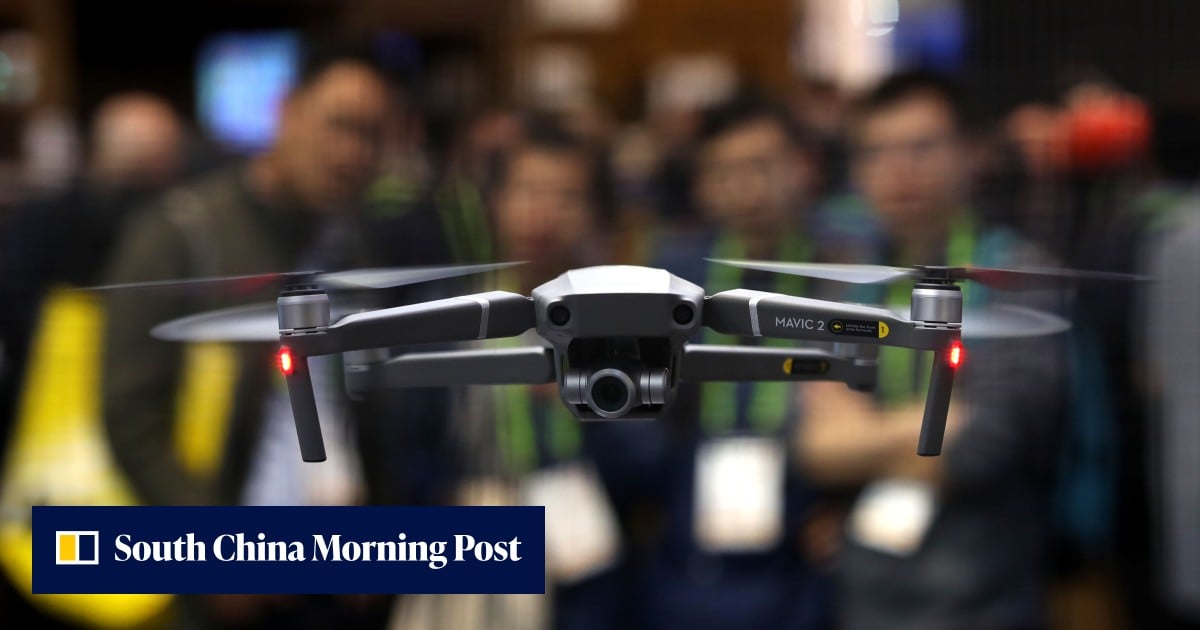
Turkiye has long followed an independent policy and multilateral approach despite being a NATO partner. From a security perspective, Turkiye, despite significant military engagement with the U.S., has significantly scaled up its domestic defense industry, especially drones, and has been a supplier to both Pakistan and Saudi Arabia. Ankara brings this defense base and surge capacities, which have proven to be critical in recent conflicts, to the new pact.
What the Pact Means for India
Responding to the announcement of the Mecca pact, India said it continues to closely follow developments in West Asia conflict and, in particular, the “implications” of this pact, both from the perspective of national security as well as its implications for regional peace and stability. India remains fully committed to safeguarding its national interests and will take all necessary measures in this regard, Spokesperson of the Ministry of External Affairs Randhir Jaiswal said at a scheduled press briefing.
While the pact is more about regional dynamics, Pakistan will try to project and use it as a buffer in future tensions with India, especially after the bitter lessons during Operation Sindoor in May last year.
The 2016 surgical strikes by the Indian Army on militant camps across the Line of Control, a response to the terror attack in Uri, challenged the long-held perception that India would refrain from conventional operations for fear of Pakistan’s nuclear options. Similarly, in Operation Sindoor, a response to the attack on tourists in Pahalgam, India struck the heart of the military establishment following Pakistani strikes and established decisive military asymmetry. Indian long-range precision strikes on military targets between May 8-10, 2026, met with little resistance even as the HQ9 air defense systems were taken out and runways disabled. During the four-day conflict, Pakistan was actively aided by China and Turkiye. Pakistan extensively used Turkish drones to target Indian positions and test defenses and Turkish military operatives were believed to be on the ground assisting Pakistan.
Operation Sindoor sets a new precedent in escalation dynamics for the Indian sub-continent and arguably forced military planners in Rawalpindi to look for new strategies, both military and political.
While Operation Sindoor established India’s military edge, the narrative didn’t reflect that, especially with U.S. President Trump’s repeated claims of having mediated the ceasefire.
Since May 2025, the global geopolitical situation has significantly changed, with U.S. strikes on Iran, now a full-fledged conflict; uncertainties around the Strait of Hormuz and the changing contours of the war in Ukraine. Islamabad has positioned itself well through these developments. Coming on top of it, the defense pact does create uncertainties and merits caution on India’s part.
That said, it shouldn’t lead to unnecessary apprehensions.
There are several grey areas in the circumstances, criteria and procedures under which the collective defense provision in the Mecca pact may be invoked. That is likely a consultative and evolving process. For instance, in the event of India resorting to military action against Pakistan in response to a major terrorist attack, it is highly unlikely that Turkiye and Saudi Arabia would join militarily. Several Indian officials shared this view, while some observers also argued that India can play a more proactive security role in West Asia given its long-standing ties.
Similarly, are the ongoing tensions between Pakistan and Afghanistan a fit criterion for invoking the collective defense provision? It is noteworthy that the Houthi drone strike on the Jazan refinery on August 9, just days after the pact was signed and caused no casualties, didn’t draw any joint response.
India-Saudi ties have also significantly deepened in recent years and as the Kingdom looks at diversification of its economy and security, India is an important pillar it wouldn’t want to lose.
Given the complexity of the relationships in the region and beyond and the evolving dynamics, for now the pact remains an expression of political intent and a hedging strategy rather than a decisive military bloc.