 By GB News (World News) | Created at 2026-08-07 08:10:59 | Updated at 2026-08-07 11:36:25
3 hours ago
By GB News (World News) | Created at 2026-08-07 08:10:59 | Updated at 2026-08-07 11:36:25
3 hours ago
People relying on artificial intelligence for friendship could end up feeling even more isolated, new research shows.
Scientists say millions using AI chatbots as virtual companions risk swapping real relationships for what they describe as "social snacks" - quick emotional fixes that feel comforting in the moment but lack the ingredients needed for long-term emotional wellbeing.
The Stanford University study found that people who were more willing to share highly personal information with AI companions - including emotional distress, substance misuse and suicidal thoughts - were more likely to report feeling worse.
Professor Diyi Yang, who led the research, said: "While some people turn to chatbots to fulfil social needs, we find that using chatbots in this way doesn't substitute for human connection. In many cases, people actually feel more lonely engaging with AI."
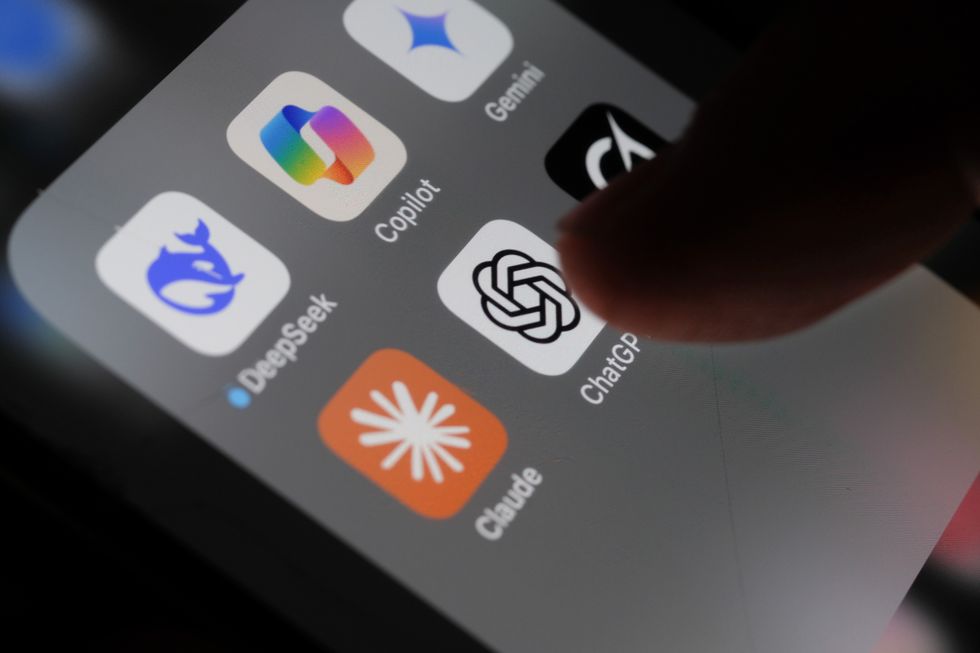
ChatGPT is one of the many AI chatbot platforms used to discuss real-life problems

PA
The scientists state: “Chatbots cannot reciprocally share personal information the way human beings can and may not be able to recognise and respond appropriately to emotionally freighted conversations. At the same time they are deliberately engineered to keep the interaction going no matter what.”
The study, published in Nature Human Behaviour, analysed more than 1,100 users of Character.AI, one of the world's most popular AI companion platforms.
Although fewer than 12 per cent initially said companionship was their main reason for using the chatbot, more than half later described it as a "friend", "companion" or even a "romantic partner". More than 80 per cent of the donated conversations focused on emotional or social support.
Researchers found the strongest link between AI companion use and poorer wellbeing among people with the smallest offline social circles who used chatbots most intensely for companionship.
Lead author Yutong Zhang likened AI companionship to a "social snack" - or even emotional junk food. Like a sugary treat, it may provide instant comfort but lacks the nourishment needed for lasting emotional wellbeing.
However, the findings were not all negative. People who used chatbots for practical tasks, creativity or productivity - or who found meaning and satisfaction in using the technology - generally reported higher levels of wellbeing. The risks appeared when AI became a substitute for genuine human relationships rather than simply another tool.
The team is now exploring safeguards such as usage limits and prompts encouraging vulnerable users to seek help from real people instead of relying solely on AI.
"We need to make people understand their potential downside, so they'll be more careful about using them," Zhang said.