 By GB News (World News) | Created at 2026-09-18 14:32:23 | Updated at 2026-09-18 17:18:15
3 hours ago
By GB News (World News) | Created at 2026-09-18 14:32:23 | Updated at 2026-09-18 17:18:15
3 hours ago
An investigation has found that a fault in the software responsible for assigning identification codes to aircraft was behind an air traffic control problem that resulted in more than 2,000 flight cancellations earlier this month.
National Air Traffic Services (Nats) published a preliminary report into the incident, which occurred on September 8, this afternoon, concluding the disruption was not the result of any “incorrect actions” by operators.
The affected software normally assigns individual codes to aircraft automatically when manual requests are submitted, according to Nats.
These codes allow flights to be identified on radar once they are in the air.
Nats chief executive Martin Rolfe said the investigation had established several details about the incident.
He confirmed that the disruption was not connected to a Nats outage in 2023, nor to a radar problem that occurred in July last year.
“I can also confirm that it was a software issue and not caused by any incorrect actions by either military or civil operators,” he said in the report.
Mr Rolfe again expressed his apologies to passengers whose journeys were disrupted, as well as to the wider aviation industry for the difficulties caused by the incident.

The disruption began shortly before 1pm, when warnings appeared at Nats' control centre near Southampton. Within minutes, departures from airports around London were suspended.
More than 100 representatives from airlines, airports, regulators, government and neighbouring air traffic authorities joined an emergency co-ordination call. Flights briefly resumed after 1.30pm before another fault emerged during the attempted restart.
By 2pm, some aircraft had been stuck on the ground for five hours. Incoming flights were diverted to airports including Bonn and Düsseldorf as congestion spread across the network.
Nats initially estimated that a fix would take less than an hour. Instead, engineers eventually had to conduct a full system reboot shortly after 4pm. Limited operations resumed after 5pm, but capacity remained severely restricted.
A total of 177 flights were cancelled - nearly all of which to and from Heathrow

At Heathrow, queues stretched through terminal corridors as passengers waited for information. British Airways cancelled its remaining short-haul services that evening in an effort to protect the following day's schedule.
Airlines said normal operations took several days to recover. Wizz Air's UK managing director Yvonne Moynihan said Nats would need to demonstrate meaningful changes to restore confidence.
Airlines have been particularly angered because Nats previously assured them that lessons from the 2023 outage had been implemented.
That incident was also linked to a faulty flight plan, although Nats insists Tuesday's failure was technically different.
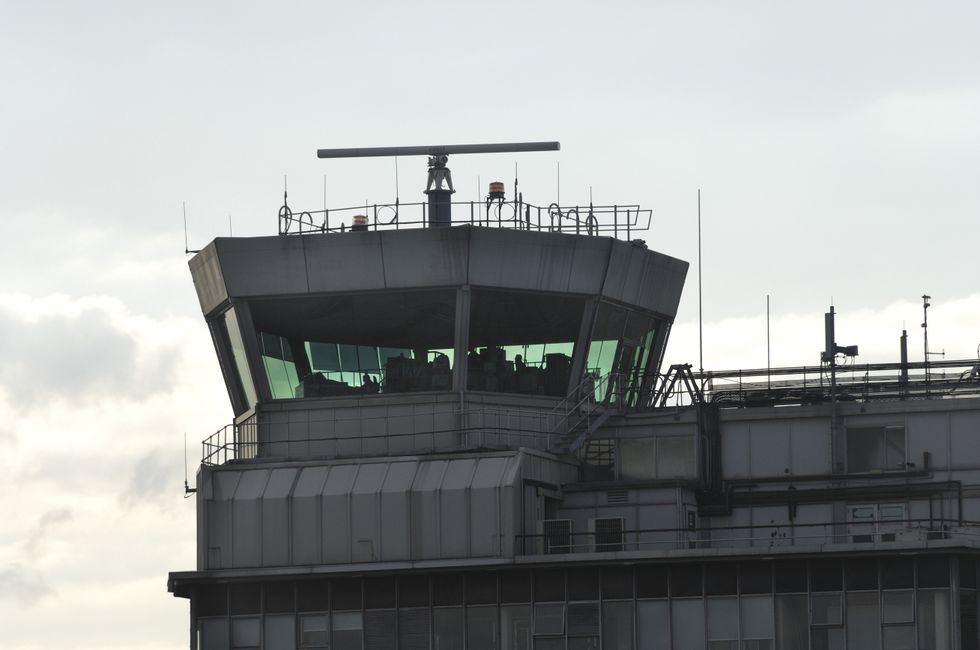
The incident has renewed calls for greater resilience in Britain's air traffic infrastructure, particularly as Nats undertakes a wider modernisation of its systems.
For airlines, however, the immediate question is why a single flight-plan entry was capable of causing such widespread disruption — and whether the safeguards they were promised after 2023 were ever sufficient.
The Civil Aviation Authority is also conducting an independent investigation, although its findings are not expected for six months.