By The Rio Times | Created at 2026-10-09 11:27:05 | Updated at 2026-10-09 15:56:55
5 hours ago
By The Rio Times | Created at 2026-10-09 11:27:05 | Updated at 2026-10-09 15:56:55
5 hours ago
MOROCCO · POLITICS
Key Facts
- —The country North African kingdom of 36.8 million people (2024 census), close US ally.
- —Who rules King Mohammed VI, on the throne since 1999, controls army, religion, diplomacy.
- —What happened Fatima Ezzahra El Mansouri named head of government on 29 September 2026.
- —Still open No cabinet named as of 9 October 2026; majority needs 198 seats.
- —Prediction markets Polymarket gives El Mansouri 94.5% odds of taking office and winning investiture (9 October, 6:27 a.m. ET).
Morocco elects a parliament and names a head of government, but the King still holds the decisive levers of power.
Morocco politics in October 2026 is in a handover.
On Tuesday 29 September, King Mohammed VI appointed Fatima Ezzahra El Mansouri as head of government. She leads the Authenticity and Modernity Party.
She is still assembling a coalition after the 23 September election, while Aziz Akhannouch’s outgoing cabinet handles current business. For investors and visitors, the key point is simple: elected politicians run the economy, and the palace runs everything strategic.
This guide explains who holds which lever, from the throne and the army to the parties, the courts and the provincial governors. It is written for readers with no prior knowledge of the country.
How Morocco Politics Works Under the 2011 Constitution
Morocco is a constitutional monarchy with an elected parliament, a system often described as executive monarchy. The rules come from the 2011 constitution, adopted by referendum after the Arab Spring protests of that year.
That text gave elected politicians more room than before. Article 47 obliges the King to pick the head of government from the party with the most seats in the lower house.
The King then appoints ministers on the head of government’s proposal. Under Article 88, the cabinet needs a confidence vote from an absolute majority of 395 members, or 198 votes.
Parliament has two chambers. The House of Representatives is directly elected for five years, while the 120-member House of Councillors is chosen indirectly.
The King opens the first parliamentary session each year on the second Friday of October. In 2026 that is Friday 9 October, and the Royal Household said the speech would be broadcast from 3:45 p.m.
The King and the Palace Circle
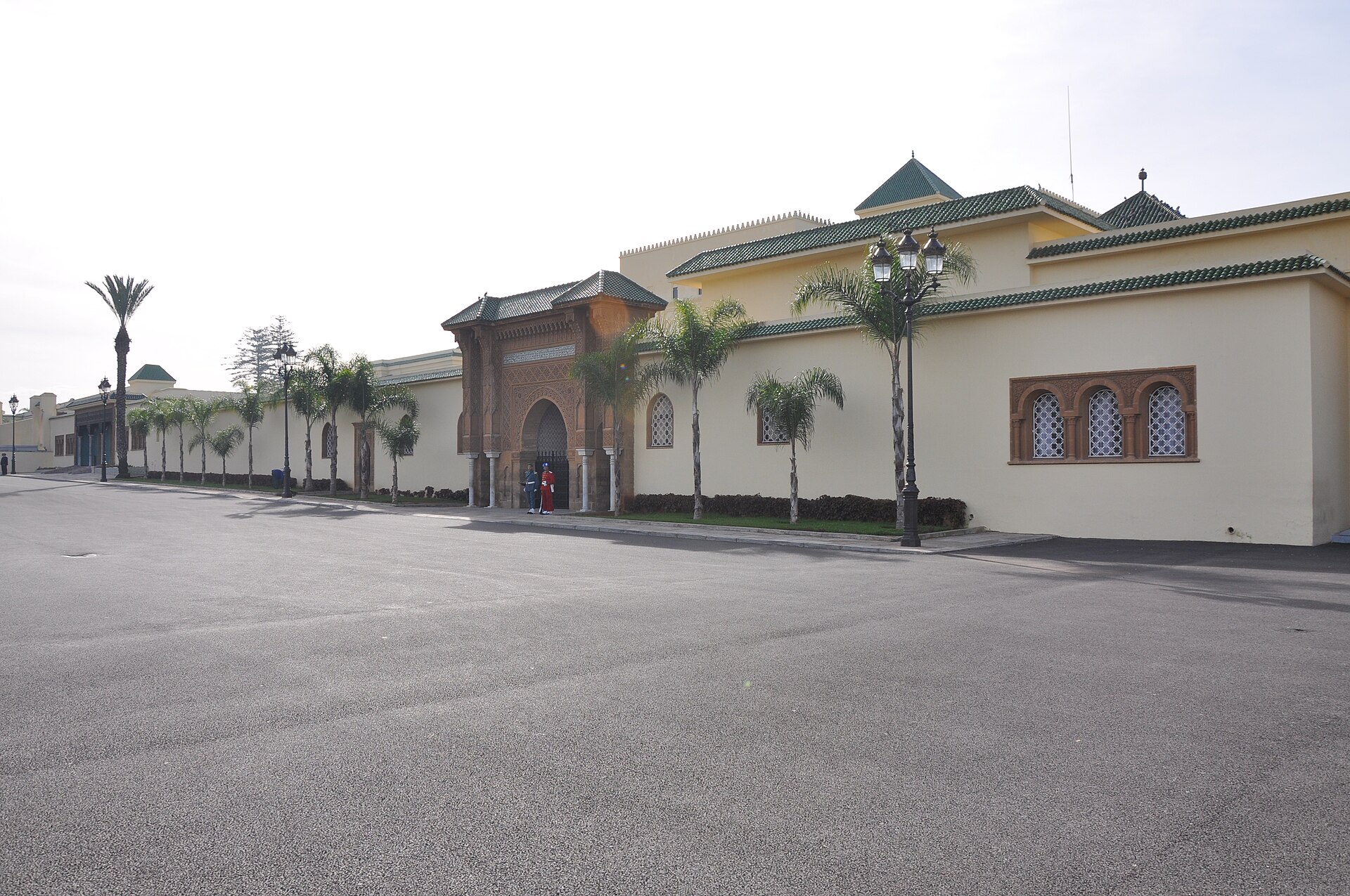
Mohammed VI has reigned since July 1999, when he succeeded his father, Hassan II. The constitution makes him head of state, supreme arbiter between institutions and supreme commander of the Royal Armed Forces.
He also holds the title Commander of the Faithful under Article 41, making him the highest religious authority. He chairs the Higher Council of Ulema, the only body allowed to issue official religious rulings.
The King chairs the Council of Ministers, which approves strategic policy, draft laws on the army and senior appointments. Ambassadors, walis and governors, the central bank governor and security chiefs are all named through this channel.
Around the King sits a circle of royal advisers, a group Moroccans often call the Makhzen, meaning the palace establishment. The best known is Fouad Ali El Himma, a former deputy interior minister who co-founded the Authenticity and Modernity Party in 2008.
Crown Prince Moulay El Hassan, born in 2003, increasingly represents his father at official events. His growing public role is watched closely, because the line of succession is fixed by the constitution.
In practice, the palace also keeps several so-called sovereign ministries out of party hands. These are interior, foreign affairs, Islamic affairs and the defence administration, usually led by technocrats close to the King.
The Head of Government and the Coalition Talks
Fatima Ezzahra El Mansouri is the first woman to head a Moroccan government. A Marrakech lawyer and mayor, she was housing minister in the outgoing cabinet.
The Royal Household’s communiqué of 29 September cited Article 47 and asked her to form the new government. A full profile of her career is in the Rio Times profile of Fatima Ezzahra El Mansouri.
Her predecessor, Aziz Akhannouch, has led the government since 2021. The guide to Morocco’s economic power players explains his business empire, built around the Akwa group.
Akhannouch’s cabinet continues to handle current affairs until the King appoints a new one. As of the morning of 9 October 2026, no new cabinet had been announced.
Le360, a Moroccan news site, reported on 7 October that El Mansouri is heading for a majority modelled on the Koutla. That was a 1990s reform bloc of Istiqlal, the Socialist Union and the Party of Progress and Socialism.
With her own party, those four groups would hold 207 of 395 seats, nine more than a majority. The Rio Times report on the coalition talks follows how each party has positioned itself.
The Parties in the New Parliament
Interior Minister Abdelouafi Laftit announced the provisional results on 24 September, and the ministry later confirmed them as final. National turnout was about 38 percent, against 50.35 percent in 2021.
The seat count, as published by the Interior Ministry through the government portal maroc.ma, was:
- Authenticity and Modernity Party (PAM), 97 seats. A centrist, palace-friendly party founded in 2008, led by El Mansouri; up from 87 in 2021.
- National Rally of Independents (RNI), 66 seats. A liberal, business-minded party that led the 2021–2026 government; Mohamed Chaouki replaced Akhannouch as its president in February 2026.
- Istiqlal (Independence Party), 65 seats. Morocco’s oldest party, founded in 1943, conservative and nationalist, led by Nizar Baraka; its national council has voted to join the government.
- Justice and Development Party (PJD), 54 seats. An Islamist-rooted party that led governments from 2011 to 2021; under Abdelilah Benkirane it says it will sit in opposition.
- Popular Movement (MP), 29 seats. A rural, Amazigh-rooted conservative party whose council has let its leader decide on joining the government.
- Socialist Union of Popular Forces (USFP), 26 seats. A social-democratic party led by Driss Lachgar, in opposition since 2021.
- Party of Progress and Socialism (PPS), 19 seats. A left-wing party descended from the old Communist Party, led by Nabil Benabdallah.
- Constitutional Union (UC), 17 seats. A centre-right, pro-business party whose leadership has authorised talks on joining the government.
- Smaller groups, 22 seats. The Democratic and Social Movement and the Left Alliance won eight each; four micro-parties with six seats formed a joint caucus.
The biggest story of the vote was the RNI’s fall from 102 seats in 2021 and the PJD’s rebound from 13. The Rio Times election results report sets out the shifts in detail.
Parties matter for budgets, housing, jobs and subsidies, but far less for security and diplomacy. That is why low turnout is often read as a verdict on politicians rather than the monarchy.
The Army, Police and Intelligence Services
The Royal Armed Forces answer to the King, not to the head of government. There is no full defence minister; a minister-delegate attached to the head of government manages the defence administration.
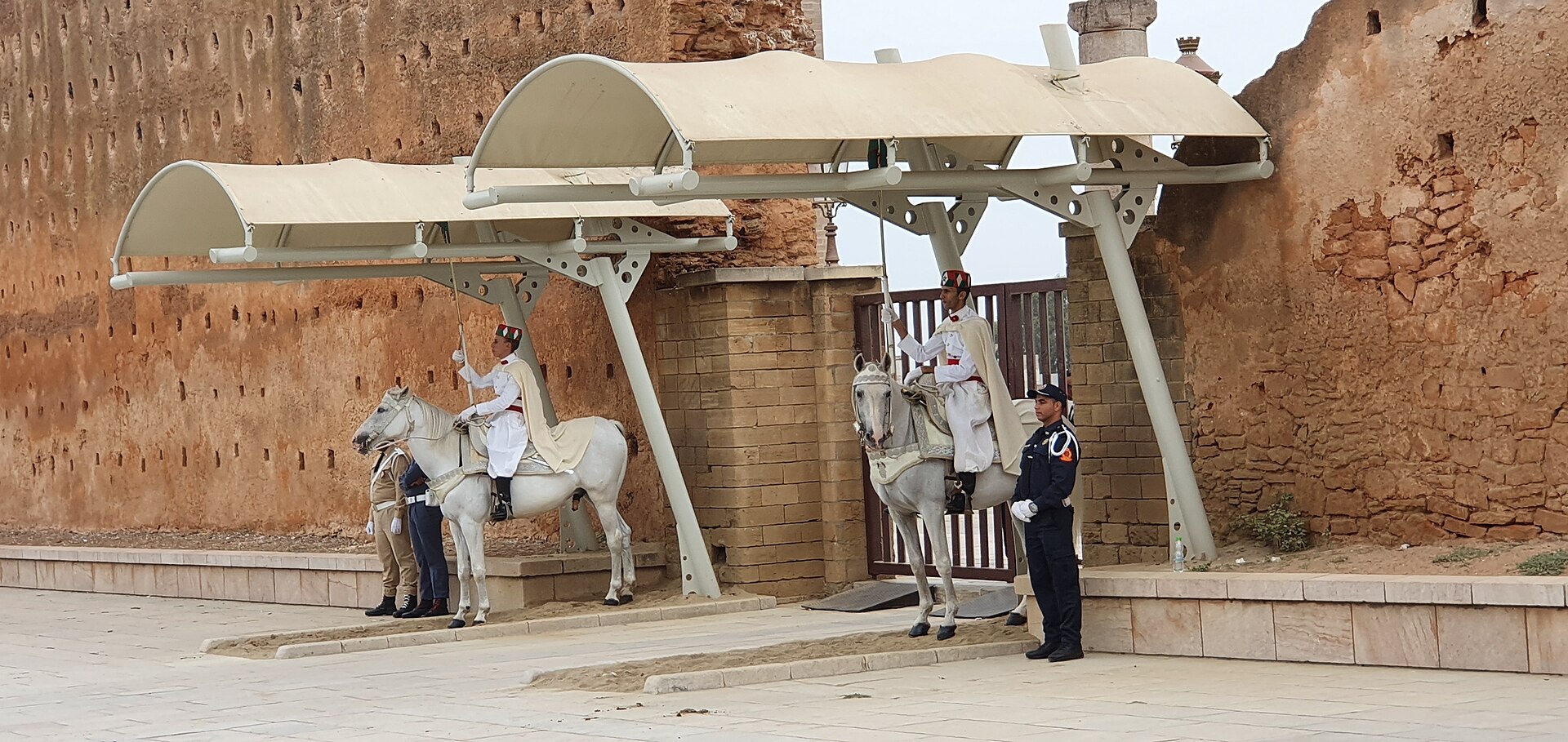
The Royal Gendarmerie polices rural areas and highways, and it also reports through the military chain. The Auxiliary Forces, a paramilitary body, sit under the Interior Ministry.
Internal security is concentrated in one man, Abdellatif Hammouchi. He heads both the national police, the DGSN, and the domestic intelligence service, the DGST.
The DGST’s investigative arm leads counter-terrorism cases and works closely with US and European agencies. Foreign intelligence sits with a separate service, the DGED.
The Interior Ministry is the most powerful civilian ministry, organising elections and supervising governors and local councils. Its minister acts as a bridge between the palace and the parties.
Courts, Governors and the Regions
The constitution declares the judiciary independent and names the King its guarantor. He chairs the Supreme Council of Judicial Power, which appoints, promotes and disciplines judges.
The Constitutional Court has 12 members, six named by the King and three elected by each chamber. It rules on election disputes and on whether laws respect the constitution.
Since 2017 prosecutors have answered to an independent Public Prosecution Presidency rather than the justice minister. On 3 October 2026 it said the legislative elections had taken place under normal conditions.
Outside Rabat, power runs through walis and governors appointed by the King. They represent the central state in Morocco’s 12 regions and its provinces, alongside regional councils that voters elect.
This dual structure explains why a mayor or regional president can be popular yet limited. The governor, backed by the Interior Ministry, still controls permits, security and much of the local budget process.
Religion, Western Sahara and the Red Lines
Three subjects sit above party politics: the monarchy, Islam and the territorial claim over Western Sahara. Parties that challenge them are not allowed to compete, and journalists who cross them face prosecution.
Western Sahara, a former Spanish colony that Morocco controls largely and claims fully, is the core foreign-policy file. The United States recognised Moroccan sovereignty in December 2020, and Washington has kept that position since.
On 31 October 2025 the UN Security Council backed Morocco’s autonomy plan as the basis for talks on the territory. The guide to Morocco’s geopolitics explains the dispute with Algeria and the Polisario Front.
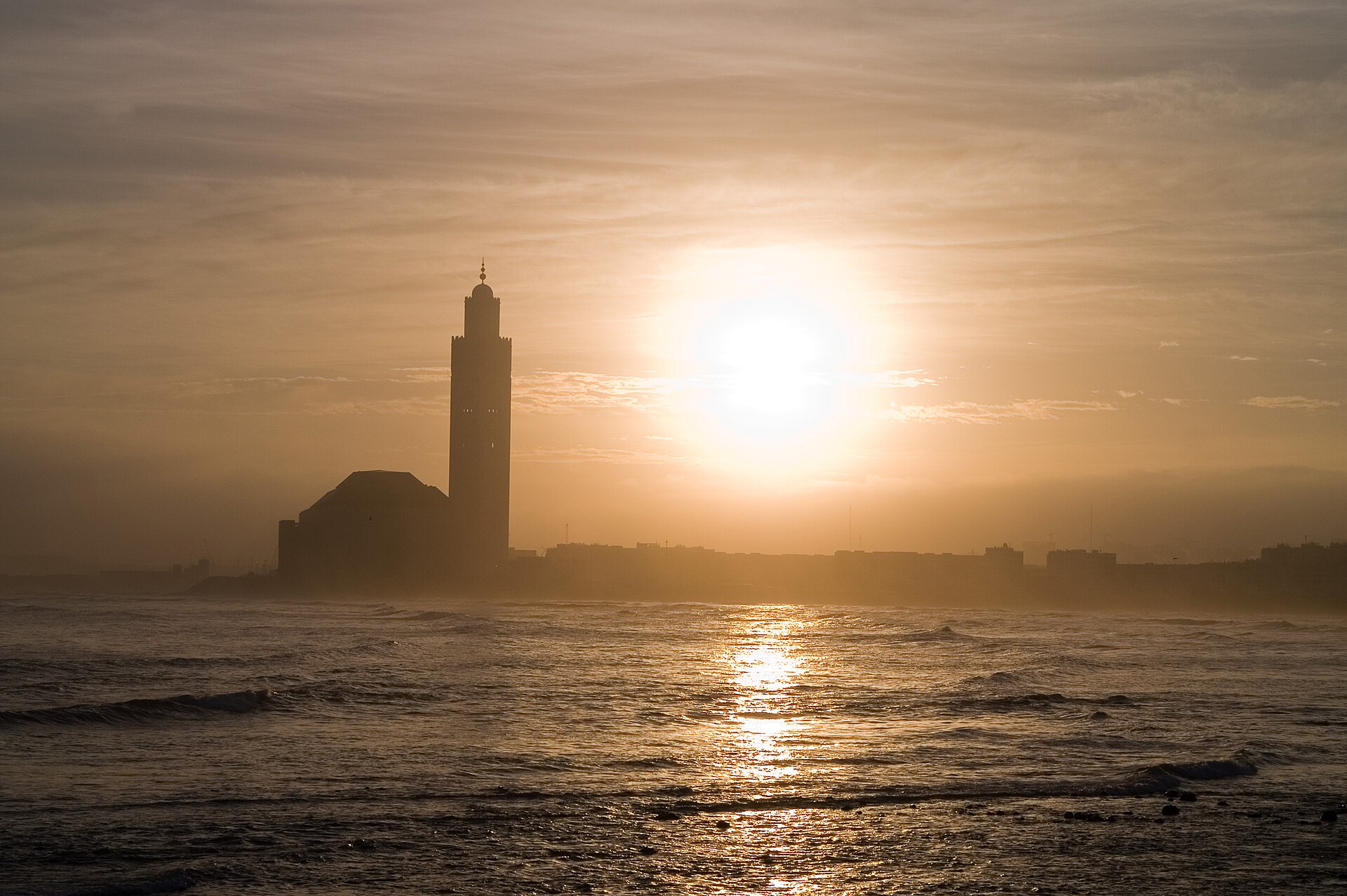
Religious policy is run from the palace through the Ministry of Habous and Islamic Affairs. Morocco promotes a Maliki, Sufi-influenced Islam and trains imams from other African countries, a form of soft power.
The Rising Figures to Watch
- Fatima Ezzahra El Mansouri. Head of government-designate; her cabinet list and confidence vote will define her first months.
- Nizar Baraka. Istiqlal secretary-general and outgoing minister of equipment and water; his party is the largest likely partner.
- Mohamed Chaouki. RNI president since February 2026; whether his party joins the cabinet or leads the opposition is undecided.
- Abdelilah Benkirane. PJD leader and head of government from 2011 to 2017; he is set to lead the largest opposition bloc.
- Abdelouafi Laftit. Interior minister since 2017, who ran the 2026 election; whether he keeps the post is a signal of palace continuity.
- Nasser Bourita. Foreign minister since 2017 and the face of the Western Sahara campaign abroad.
Youth discontent is the wider force behind these names, and young voters’ anger over hospitals, schools and jobs shaped the campaign. The Rio Times election explainer describes that mood.
What It Means for US Readers
Morocco is a major non-NATO ally of the United States, a status granted in 2004. The US-Morocco Free Trade Agreement has been in force since 2006, according to the US Trade Representative.
The change of government does not alter that relationship, because foreign and security policy sit with the King. The annual African Lion military exercise and cooperation on counter-terrorism are palace-level matters.
What can change is economic policy: the 2027 budget, subsidies, housing programmes and the tempo of World Cup 2030 spending. US companies in Morocco, from aerospace suppliers to energy firms, should watch who takes the finance and industry portfolios.
For travellers, the political transition is orderly and has no visible security impact. Morocco co-hosts the 2030 FIFA World Cup with Spain and Portugal, and the state treats stability as a national priority.
What Prediction Markets Say
Polymarket’s “Next Prime Minister of Morocco?” market resolves only once a new head of government takes office and wins investiture. At 6:27 a.m. ET on 9 October 2026, El Mansouri traded at 94.5%, on about US$19,500 in bets.
A larger market, “Aziz Akhannouch out as Morocco Prime Minister by December 31, 2026?”, has drawn about US$171,600. Its rules say an announced removal resolves it to Yes, and its last trade was at 99%.
That market had not been formally resolved on the morning of 9 October. Its thin order book showed bids at 79% and offers at 89%.
Why we show this: prediction markets turn real-money bets into a live probability that moves within minutes of the news, which is why investors, campaigns and newsrooms in the United States now follow them closely. We show them next to polls and official results, never instead of them.
What Is Not Known
The final make-up of the coalition is not known, nor whether the RNI will be inside or outside it. No date for the cabinet’s appointment had been announced by the morning of 9 October 2026.
It is not known who will be elected speaker of the House of Representatives. Le360 reported that the PAM wants the post, but that has not been officially confirmed.
The content of the King’s speech opening Parliament on 9 October was not public at the time of writing. It is also unclear whether a new cabinet can table the 2027 budget bill by the legal deadline of 20 October.
Frequently Asked Questions
Who is the head of state of Morocco?
King Mohammed VI, who has reigned since 1999. He commands the armed forces, leads religious affairs and sets foreign policy.
Who is Morocco’s prime minister in October 2026?
The King appointed Fatima Ezzahra El Mansouri head of government on 29 September 2026. Until her cabinet is named, Aziz Akhannouch’s outgoing team handles current affairs.
Who won Morocco’s 2026 election?
The Authenticity and Modernity Party won 97 of 395 seats on 23 September 2026. No party has a majority, so a coalition is needed.
Is Morocco an absolute monarchy?
No, it is a constitutional monarchy with an elected parliament and government. The King, however, keeps the army, religion, foreign policy and senior appointments.
Which parties are in Morocco’s opposition?
The Justice and Development Party has said it will sit in opposition. The RNI’s position depends on the final coalition deal.
Does the change of government affect US travellers or investors?
Security and foreign policy stay with the palace, so ties with the United States are unchanged. Economic policy, including the 2027 budget, is where the new cabinet can make a difference.
Sources: Royal Household communiqué on the appointment, maroc.ma; Interior Ministry results, maroc.ma; Royal Household on the opening of Parliament, maroc.ma; Joint caucus announcement, maroc.ma; maroc.ma news (party councils, Public Prosecution Presidency); High Commission for Planning (2024 census); Office of the US Trade Representative; Le360; Hespress on Istiqlal; Hespress on the PJD; TelQuel on the RNI; Morocco World News on final results; Rio Times Morocco coverage (all accessed 9 October 2026).