By The Rio Times | Created at 2026-06-12 08:27:07 | Updated at 2026-06-14 00:56:20
1 day ago
By The Rio Times | Created at 2026-06-12 08:27:07 | Updated at 2026-06-14 00:56:20
1 day ago
Daily Brief
The morning intel from across Latin America. Free.
By subscribing you agree to our privacy policy. We never share your email.
Panama · Expats & Nomads
Key Facts
—Start with the visa. Your residency or nomad route shapes every other decision.
—Rent before you buy. Test a neighbourhood and a climate before committing.
—The dollar helps. Panama uses US currency, which simplifies money from day one.
—Bring the pets. Panama allows cats and dogs with the right paperwork and vaccinations.
Moving to Panama is a wonderfully achievable dream, and the secret to a smooth landing is simply taking the steps in the right order. From choosing a visa to finding your feet in a new neighbourhood, this friendly checklist walks you through the whole journey for 2026.
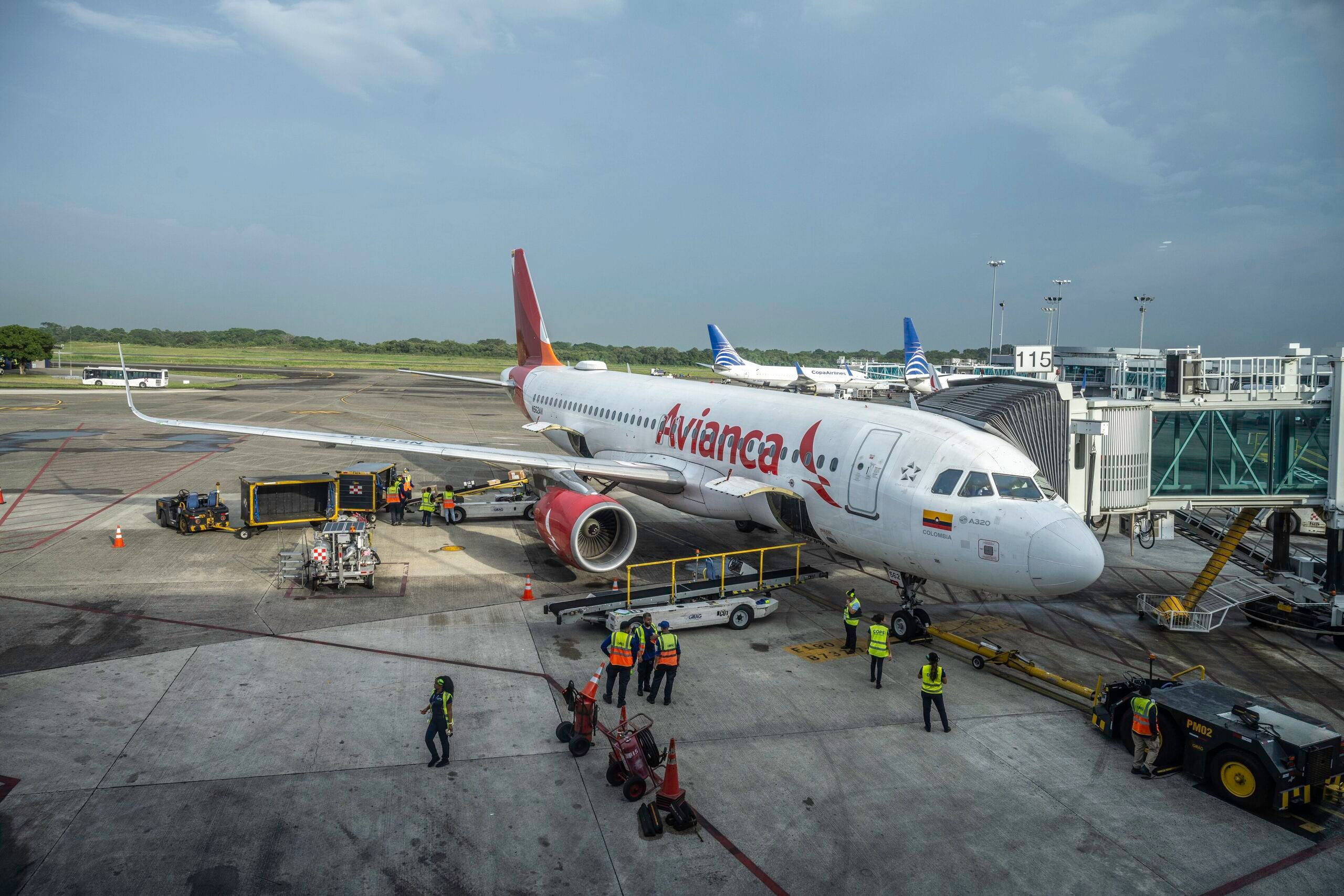 Tocumen International is the gateway for most new arrivals to Panama. (Photo: Wilfredor, CC0, via Wikimedia Commons)
Step one: choose your visa
Everything begins with your legal status, because it shapes how long you can stay and what you can do. Retirees often choose the Pensionado, working-age expats the Friendly Nations route, and remote workers the short-stay nomad visa.
Get this right before you book a one-way flight. Our guides to Panama residency visas and the Panama Digital Nomad Visa lay out the options.
Step two: scout, then rent
Resist the urge to buy a home before you arrive. The wiser path is to visit, rent for a few months, and let a neighbourhood prove itself across the seasons.
Panama offers everything from high-rise city living to mountain cabins and beach towns. Our guide to where to live in Panama compares the main expat bases to help you shortlist.
Step three: sort money and banking
Because Panama uses the US dollar, managing money is refreshingly simple from the start. You can spend and save in dollars without watching exchange rates.
Opening a local account takes patience and paperwork, and is often easier once your residency is underway. Our guide to banking and taxes in Panama walks through the steps and the friendly tax rules.
Step four: line up healthcare
Before you arrive, arrange health insurance that is valid in Panama, since some visas require it and it brings peace of mind. The private hospitals are excellent and far cheaper than in the United States.
It pays to know your nearest hospital from day one, especially if you settle outside the capital. Our guide to healthcare in Panama covers cover and costs.
Step five: decide what to bring
Shipping a full container of furniture is possible but pricey, so many expats travel light and buy locally. Weigh the sentimental value of your belongings against the cost and hassle of moving them across an ocean.
Pets are welcome, which is a relief for many families. Cats and dogs can enter Panama with up-to-date vaccinations and the correct health paperwork, so start that process early with your vet.
Step six: settle in and build a life
Once the admin is done, the best part begins. A little Spanish goes a long way, and even a few phrases will open doors and earn warm smiles.
Lean on the country’s large, friendly expat networks for tips and friendship as you find your feet. To budget the whole adventure, keep our guide to the cost of living in Panama close at hand.
One last tip on timing: many newcomers find the dry season, roughly December to April, the easiest stretch to arrive and house-hunt. The skies are clearer, the roads are kinder, and viewing apartments is simply more pleasant.
Frequently asked questions
What is the first step in moving to Panama?
Choose your visa first, because it determines how long you can stay and what you can do. Retirees often pick the Pensionado, while remote workers use the short-stay nomad visa.
Should I ship my belongings or buy in Panama?
Many expats travel light and furnish locally, since shipping a container is costly. Bring sentimental items, but weigh the price and effort of moving large goods abroad.
Can I bring my pet when moving to Panama?
Yes. Cats and dogs are allowed in with current vaccinations and the right health documents, so begin the paperwork with your vet well before you travel.
The Rio Times · Power Map
See who really holds power in Latin America
Click to open the Power Map →