By NASA | Created at 2026-06-22 18:46:52 | Updated at 2026-06-22 23:50:25
6 hours ago
By NASA | Created at 2026-06-22 18:46:52 | Updated at 2026-06-22 23:50:25
6 hours ago
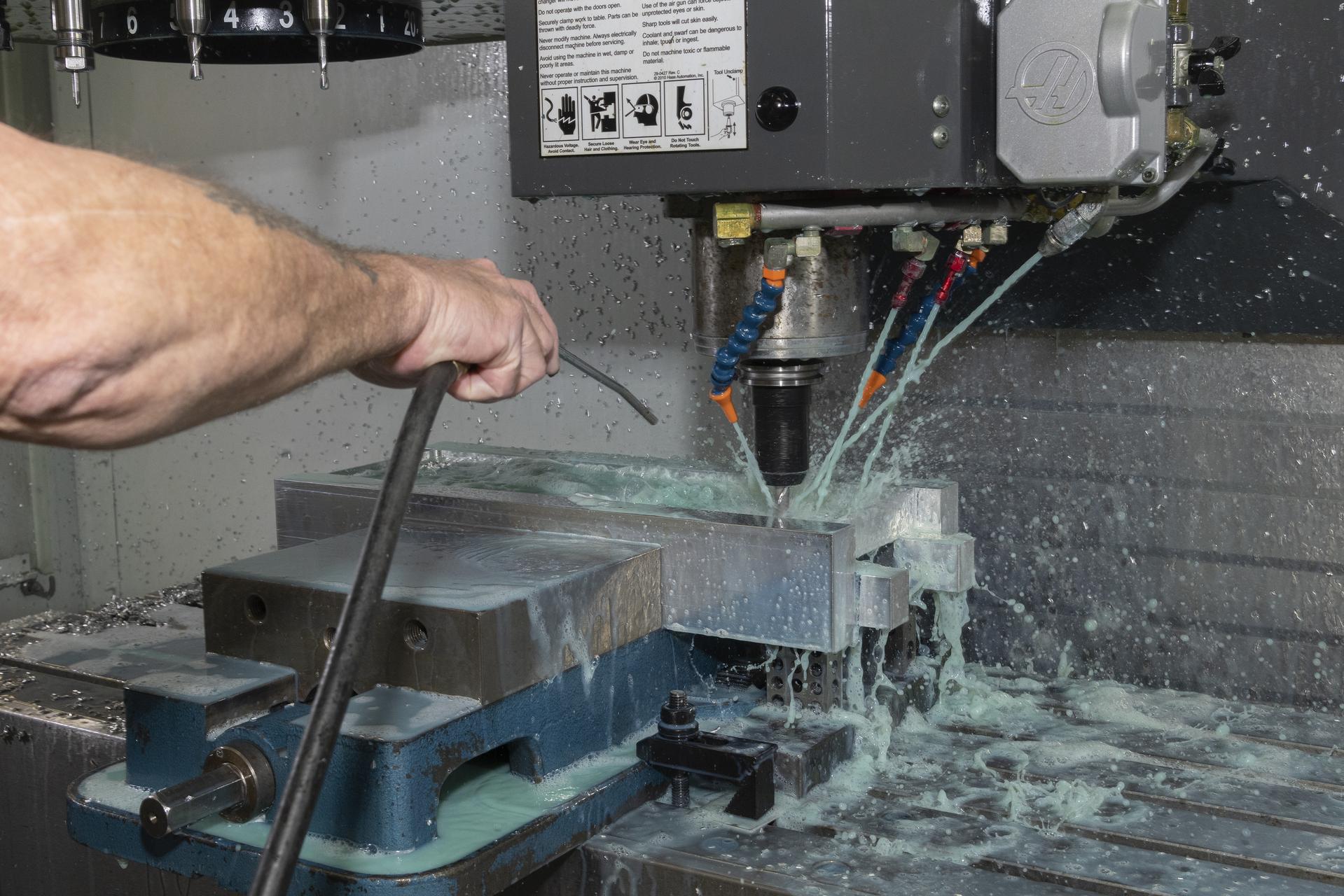
An engineering technician works in the Experimental Fabrication Branch at NASA’s Armstrong Flight Research Center in Edwards, California, on Thursday, March 14, 2023. The branch transforms engineering concepts into hardware for research aircraft and technology development, supporting advances in aviation safety, efficiency, and sustainability.
Credits: NASA/Steve Freeman
Sarah Mann
NASA Armstrong Public Affairs Specialist
Jun 22, 2026
At NASA, innovation begins well before an aircraft takes flight. The Experimental Fabrication Branch at NASA’s Armstrong Flight Research Center in Edwards, California, transforms engineering concepts into mission‑ready hardware for research aircraft and technology development. This capability helps the agency deliver advancements that benefit the public by improving aviation safety, efficiency, and sustainability.
The branch serves as a full‑service manufacturing, modification, and repair center for NASA Armstrong’s fleet of research and science aircraft. The team specializes in precision machining, sheet‑metal forming, aircraft tubing, welding, additive manufacturing, composite fabrication, and structural repairs and modifications. Their broad expertise allows them to build custom hardware for both aerospace and ground‑based applications.
Engineering technicians in the branch bring decades of experience as master fabricators. They design and build unique components, rapid prototypes, and flight‑critical structures that meet NASA’s rigorous safety and performance standards. Whether shaping composite structures by hand or producing precision‑milled parts, the team builds every component with mission success in mind.
Experimental Fabrication supports a wide range of NASA research efforts. When teams at NASA Armstrong designed the AIRVUE (Airborne Instrumentation for Real‑world Video of Urban Environments) sensor pod to support autonomous‑flight research, the fabrication team converted digital designs into a fully functional structure. They ensured the pod met strict safety requirements before deploying it for test flights.
Beyond mission support, the Experimental Fabrication Branch contributes to NASA’s STEM engagement efforts. During local robotics competitions, technicians use mobile fabrication equipment to repair student‑built robots and demonstrate machining and welding techniques. These demonstrations introduce students to NASA’s technical career paths and show how advanced manufacturing supports aerospace research.
The branch uses modern computer-aided design and computer-aided manufacturing tools, including Pro E/Creo, MasterCam, and SolidWorks, to convert digital models into hardware. This early integration of engineering and fabrication helps shorten development timelines and reduce design‑to‑hardware mismatches. Unlike environments where work transitions between multiple contractors, NASA Armstrong includes the fabrication team from early design through final assembly and aircraft installation. This continuous involvement strengthens coordination with engineering teams and flight operations.
Recent projects, such as advanced wing‑model fabrication and custom lightweight aircraft floorboards, highlight the branch’s essential role in NASA Armstrong’s mission. Whether supporting experimental aircraft, enabling new technology demonstrations, or guiding students through hands‑on fabrication, the Experimental Fabrication Branch helps advance NASA’s mission for the benefit of all.
Keep Exploring