 By GB News (World News) | Created at 2026-08-13 08:31:08 | Updated at 2026-08-13 09:32:43
1 hour ago
By GB News (World News) | Created at 2026-08-13 08:31:08 | Updated at 2026-08-13 09:32:43
1 hour ago
New research has suggested nearly 4,000 civil servants never have to go into the office, with thousands working from home.
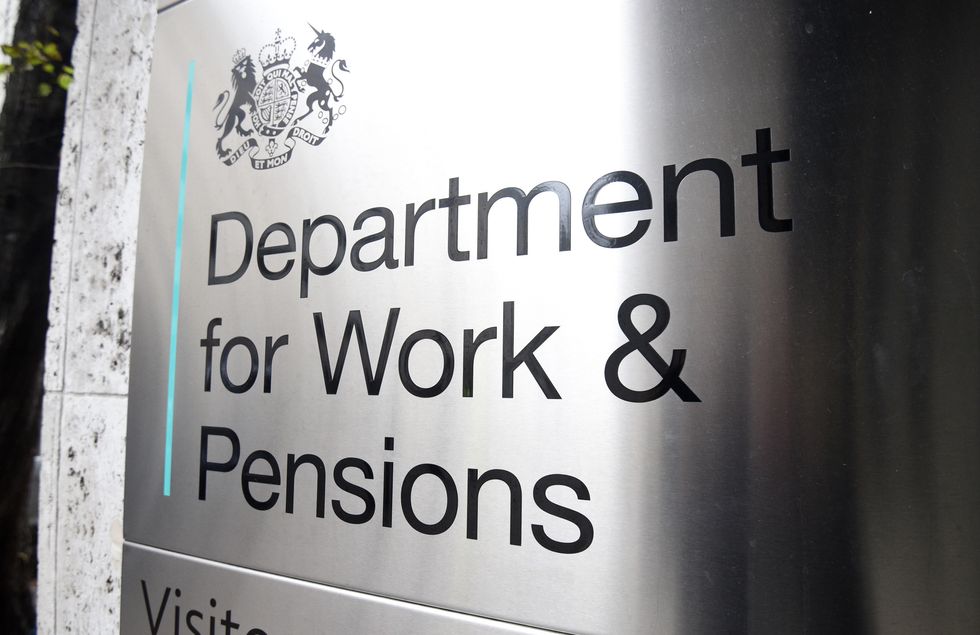
Freedom of Information (FOI) requests found 2,413 staff at the Department for Work and Pensions (DWP) are not required to go to the office.
A similar arrangement is in place for 688 staff at the Department for Environment, Food and Rural Affairs and 492 at the Department for Education.
Out of the eight departments who responded to the request for information, 3,884 officials enjoy similar deals, reports The Times.
There were 82 such cases at the Department for Transport, while 71 staff members at the Ministry of Housing, Communities and Local Government were not recorded as visiting its offices for over a year.
Reacting to the news, Shadow Chancellor of the Duchy of Lancaster Alex Burghart said: “Flexible working is one thing, but with thousands of staff never turning up at the office, taxpayers have a right to ask if they’re getting value for money.
“With public sector productivity falling under Labour, civil servants need to be at their desks. But Labour lack the backbone to stand up to their trade union paymasters.
"[Mr] Burnham should tell us if he will do anything to get civil servants back in the office or if he is content to see more taxpayers’ money wasted."
Research found 2,413 DWP staff worked from home
PA
Research found some councils also offer similar, permanent, work from home deals.
Southend Council employed 197 of its staff on terms that required no office attendance, Blaenau Gwent council in Wales said 121 of its staff are free never to come in, and Torbay council in Devon recorded 65 of these cases, according to FOI requests.
However, the majority of councils did not track how often their staff were coming into their offices.
Out of the 297 UK local authorities who responded to the requests, only a quarter were keeping some sort of centralised record of how often staff were attending the office, with others saying it would be too expensive for them to collate the information under FOI laws.
Southend Council employed 197 of its staff on WFH contracts

In addition, some civil servants were still spending fewer than two days a week in the office, despite official rules requiring them to be at their desks at least 60 per cent of the time.
A Government spokesman told The Times: "This data represents a tiny fraction of staff, including those who travel across the country working hard running public services, and those with legally required adjustments that allow them to work.
"There has been no change to government policy on office attendance. We are clear that a minimum 60 per cent office attendance remains the best option for our staff and the public.
"Attendance is managed within teams, and managers have our full support to take action where expectations are not met."
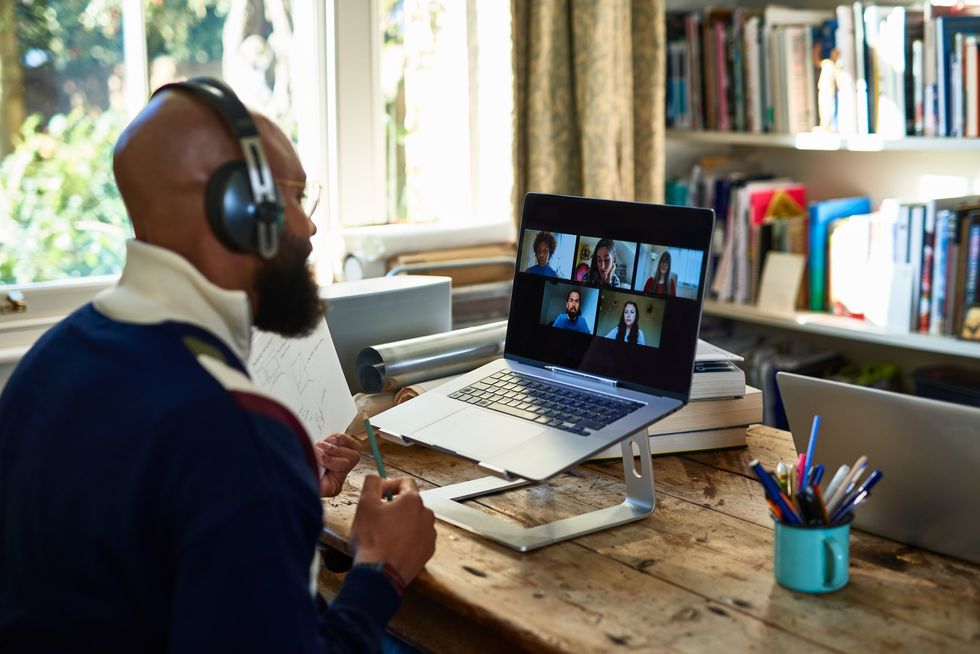
It comes as a new study claiming working from home has triggered a surge in male loneliness.
According to research from the Resolution Foundation, young men (aged 18-29) spent more than two-fifths of their waking time alone (six-and-a-half hours a day) in 2023, two hours more than in 2014-15.
Young women are now spending an additional one-and-a-half hours a day alone (roughly five hours a day in total).
At the other end of the age spectrum, older people are now alone less, with women over 60 and men over 70 spending around one to one-and-a-half fewer hours a day alone than a decade earlier.
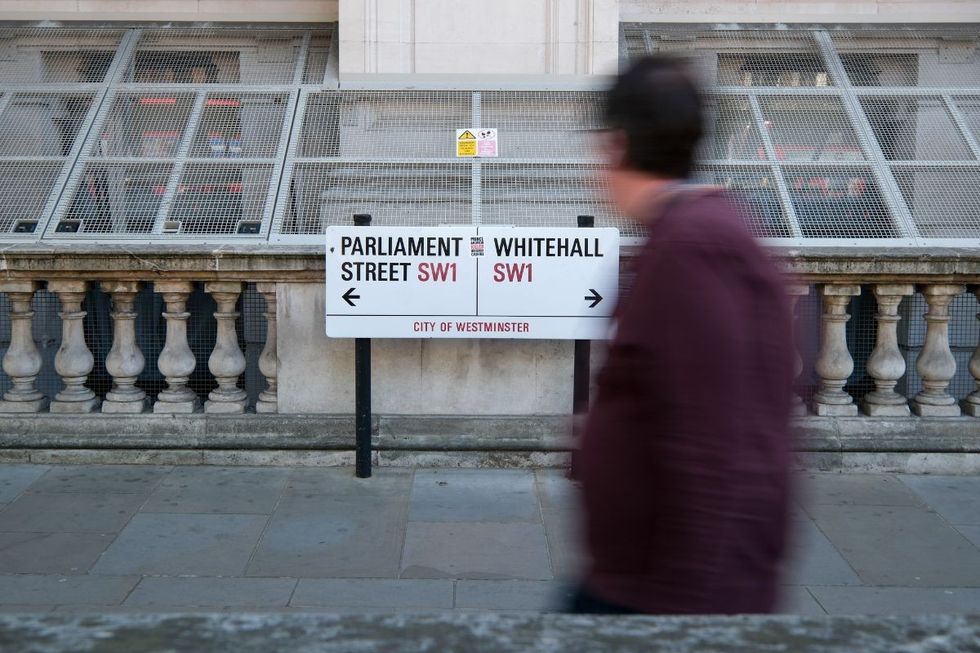
Whitehall has seen a rise in permanent working from home contracts
Researcher at the Resolution Foundation Parth Pandya said: "Young adults are now spending more time alone than they did a decade ago, with men aged 18-29 in particular now alone for more than two-fifths of their waking hours.
“Screen time is the usual suspect in conversations about the rise in loneliness among young people, but time spent doing paid work by themselves was the biggest driver of rising hours spent alone, with working from home, a legacy of the Covid-19 pandemic, accounting for the majority of this.
"If policy makers are serious about improving young people’s wellbeing, then work needs to be part of the debate as much as screen time."