 By The Rio Times | Created at 2026-10-19 13:11:24 | Updated at 2026-10-19 14:12:36
1 hour ago
NIGER · ANALYSIS
Key Facts
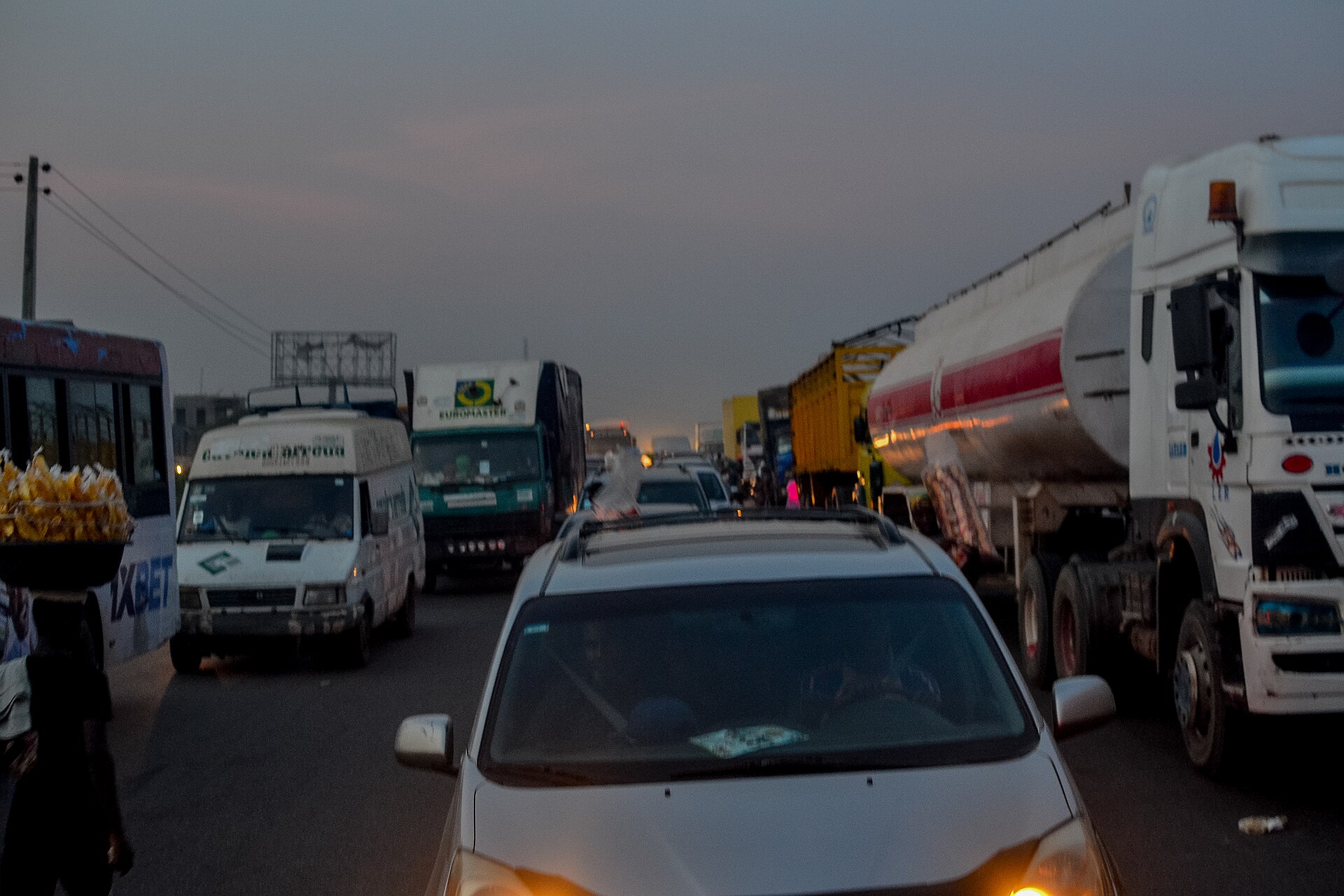
- —What is happening Long queues were reported across the capital on Sunday, October 18, 2026.
- —Why it matters Niger is a key Sahel security partner and uranium exporter, and fuel scarcity can disrupt mining logistics, electricity generation and government mobility.
- —Who is who An export ban on premium petrol and diesel was announced on October 12.
- —What to watch Whether SONIDEP secures emergency imports and whether the government’s debt-settlement plan restores distribution.
- —What it means for you US investors and travellers should expect continued travel-advisory warnings, unreliable overland mobility and higher operational costs for any Niger-linked logistics or mining exposure.
Long queues were reported across the capital on October 18, 2026, while cheaper Nigerian smuggled fuel has largely disappeared. For US readers, the crisis is a warning that Niger’s oil wealth does not guarantee domestic energy security, and it raises the operational risk for uranium, mining and security interests across the Sahel.
Niger is a landlocked Sahel state that exports crude oil and uranium but depends on a single refinery, cross-border corridors and informal fuel flows to keep its own vehicles moving. This analysis explains the causes, the actors and the scenarios behind the shortage documented in the Africa Intelligence Brief.
A Structural Deficit, Not a Sudden Breakdown
The queues in Niamey are the visible symptom of a long-building mismatch between what Niger can refine and what it consumes. The Société de raffinage de Zinder, known as SORAZ, is the country’s only operating refinery.
These figures show that the system was already failing to meet demand well before the queues appeared in the capital.
The ministry has cautioned that nominal capacity does not equal dependable daily output. The refinery cannot simply switch its product mix to meet petrol demand.
Follow this story
Get an email when there’s news on Niamey (Niger)
Free. One email a day at most, and only when there is news. This also signs you up to our weekday newsletter, Africa Intelligence. Nothing arrives until you click the confirmation link, and you can stop either with one click. Privacy policy.
The Supply Chain and the Export Paradox
Niger’s oil system is split into separate functions that do not automatically support one another. Crude is produced in the Agadem basin, then transported through the Niger–Benin export pipeline operated with Chinese involvement through the West African Oil Pipeline Corporation, or WAPCO.
Only a much smaller volume of that crude is allocated for domestic refining at SORAZ in Zinder. The result is a politically damaging paradox: Niger can export crude while its own capital queues for petrol.
Distribution runs through the Société nigérienne des produits pétroliers, or SONIDEP, which manages imports, depots and retail supply. When SORAZ cannot cover demand, SONIDEP must import fuel, but that requires cash, foreign exchange and functioning corridors through neighbouring states.
The export ban announced on October 12, 2026, prohibits premium petrol and diesel exports. The measure can retain more product inside Niger, but it cannot create new supply and may reduce SORAZ’s cash flow if exports previously provided liquidity.
Why Nigerian Smuggled Fuel Disappeared
For years, petrol smuggled from Nigeria supplied a significant share of Niger’s border-region market and, indirectly, the national distribution system. Some estimates cited informal Nigerian fuel as representing as much as half of Niger’s market in certain areas.
That channel became less viable after Nigeria removed petrol subsidies, making Nigerian fuel more expensive and reducing the incentive to move it illicitly across the border. The loss of this unofficial buffer exposed the gap between SORAZ’s output and Nigerien demand.
The Energy Ministry has also cited economic recovery, refuelling by foreign vehicles and possible irregular outflows as additional pressures on supply. These factors compound the core problem: domestic refining is insufficient and informal imports are no longer cheap enough to fill the gap.
Debt, Sanctions and the Government Response
The government’s emergency committee was created partly to address unpaid obligations among the state, SONIDEP, SORAZ, the electricity utility Nigelec and Chinese oil interests. SONIDEP has allegedly accumulated large unpaid obligations to SORAZ, while SONIDEP itself supplies fuel to Nigelec’s generators, the army and public administration.
These claims are not a fully audited account, and precise debt totals have not been made public. But they point to a liquidity problem: fuel may exist somewhere in the system while the institution responsible for moving or paying for it lacks the cash or contractual freedom to distribute it.
A technical committee was established on October 12, 2026, with a mandate to maintain nationwide fuel availability, increase SORAZ output and identify bottlenecks. The committee is also expected to monitor stocks daily.
President Abdourahamane Tiani has rejected an immediate pump-price increase, keeping official prices at 499 CFA francs per litre for Super 91 and 618 CFA francs per litre for diesel. Holding prices down may protect households in the short term, but it risks deepening subsidy arrears and discouraging importers who cannot recover their costs.
Economic and Business Stakes
Fuel scarcity raises costs across Niger’s economy even without an official price increase. Consumers face time lost in queues, higher informal-market prices and reduced access to generators during power shortages.
Transport operators may reduce trips or raise fares, delaying freight movements between Zinder, Niamey and border regions. For mining and oil operations, unreliable fuel supply can impair logistics, power generation and export schedules.
Niger remains strategically important because of uranium and expanding crude-oil exports. But the shortage shows that resource availability does not equal operating reliability; a country can possess crude and uranium yet still face shortages of refined fuel, electricity and transport capacity.
What It Means for the United States and Latin America
For US policy readers, the shortage adds to the broader concern that political instability in the Sahel is reinforcing itself. Coups weaken regional cooperation, sanctions disrupt trade, insecurity raises transport costs and deteriorating services undermine state legitimacy.
Travel advisories are likely to remain severe, with warnings concerning overland travel, border areas, demonstrations and fuel availability. Foreign nationals should expect unreliable mobility for airport transfers, intercity travel and backup-power planning.
For Latin American investors and commodity exporters, Niger’s crisis is a reminder that fuel-supply risk can affect mining and oil projects even when a country is a net energy exporter. The same logic applies to any jurisdiction where refining capacity, import logistics and state finances are under strain.
Scenarios: What Would Stabilise It, What Would Tip It
The most likely near-term outcome is intermittent scarcity rather than an immediate nationwide shutdown. Fuel may appear in selected stations, queues may return, regional allocations may vary and informal prices may rise.
Short-term relief could come within days to several weeks if SONIDEP secures emergency imports, releases stocks and improves distribution. Stabilisation over one to three months is the government’s own timetable for supply management.
Structural repair will take many months. The government plans to progressively raise SORAZ’s processing rate in coordination with CNPC Niger Petroleum, including securing the necessary crude deliveries and addressing technical, financial and contractual constraints limiting refinery production.
A renewed disruption is possible in 2027, when planned major maintenance at SORAZ could produce another national shortage. The government has said it wants additional depots capable of raising reserves, but that is a medium-term project.
What It Means for You
If you have business, investment or travel exposure to Niger, treat fuel availability as a core operational risk, not a background nuisance. Confirm transport and generator-fuel arrangements before relying on them, and monitor travel-advisory updates for overland movement restrictions.
For investors in Sahel-linked mining, oil or logistics, the shortage is a signal to examine how counterparties manage fuel procurement, payment discipline and cross-border supply chains. A company that cannot secure diesel for generators or vehicles may face delays even if its core asset is unaffected.
What Is Not Known
There is no reliable public basis for assigning an exact end date to the shortage. The immediate crisis could ease within days or weeks, but the underlying deficit is likely to persist unless refinery output, financing and import systems are repaired.
The precise debt totals among SONIDEP, SORAZ, Nigelec and Chinese oil interests have not been made public. Without audited figures, it is difficult to know whether the bottleneck is physical supply, working capital or contractual disputes.
It is also unclear whether the export ban will improve domestic availability or simply reduce SORAZ’s cash flow. The government has not published a detailed import schedule or named the suppliers it expects to cover the gap.
What to Watch
Watch whether SONIDEP announces emergency import arrivals and whether queues in Niamey shorten or spread to new districts. The committee is tasked with drawing up a national supply program, reviewed weekly, specifying the volumes allocated to each depot.
Monitor the debt-settlement window announced by the prime minister’s committee. Progress on cross-debts among SONIDEP, SORAZ and Nigelec will signal whether the distribution chain can be unblocked without a price increase.
Watch for any adjustment to official pump prices or the introduction of formal rationing. A price increase would ease import economics but could trigger protests; continued price freezes may deepen arrears and informal-market premiums.
Finally, track preparations for SORAZ’s planned maintenance.
Related reading: Niger Explained: The Junta, Uranium, Oil and the Break With West Africa; more from Niger.
Frequently Asked Questions
Why is Niger short of fuel in October 2026?
Niger’s only refinery, SORAZ, cannot cover national demand. Cheaper Nigerian smuggled fuel has also largely disappeared after Nigeria removed petrol subsidies.
How long can the Niger fuel shortage last?
There is no reliable public end date. Emergency imports could ease queues within days or weeks, but the structural deficit is likely to persist for months unless refinery output and financing improve.
What is SORAZ?
SORAZ, the Société de raffinage de Zinder, is Niger’s only operating refinery. It is located in Zinder and produces fuel for the domestic market.
What is SONIDEP?
SONIDEP, the Société nigérienne des produits pétroliers, is Niger’s national petroleum-products company. It imports, distributes and supplies fuel through depots and retail stations.
Has Niger increased fuel prices?
No. President Abdourahamane Tiani has rejected an immediate price increase, keeping official prices at 499 CFA francs per litre for Super 91 and 618 CFA francs per litre for diesel as of October 2026.
What did the Niger government do about the shortage?
An export ban on premium petrol and diesel was announced on October 12, 2026. A technical committee is also tasked with improving supply.
Does Niger export oil while facing fuel shortages?
Yes. Niger produces crude from the Agadem basin and exports through the Niger–Benin pipeline, while only a smaller volume is allocated for domestic refining at SORAZ.