By The Rio Times | Created at 2026-08-14 05:47:04 | Updated at 2026-08-14 06:35:57
1 hour ago
By The Rio Times | Created at 2026-08-14 05:47:04 | Updated at 2026-08-14 06:35:57
1 hour ago
Nigeria · GEOPOLITICS
Key Facts
—First working group session: The U.S.-Nigeria Working Group met in Abuja on 22 January 2026 to address the Country of Particular Concern designation.
—CPC redesignation: President Donald Trump announced Nigeria as a Country of Particular Concern again on 31 October 2025.
—First CPC label: Secretary of State Mike Pompeo designated Nigeria as a CPC in December 2020, and Antony Blinken removed it in 2021.
—Oil production: Nigeria is Africa’s largest oil producer, pumping around two million barrels per day.
—China ties: Nigeria joined China’s Belt and Road Initiative in September 2018, and China is its top arms supplier.
—U.S. law-enforcement support: In 2024, the U.S. invested about $500,000 to modernize an NDLEA forensic laboratory in Lagos.
Nigeria and the United States have begun formal talks to address the Nigeria CPC designation, with a joint working group holding its first session in Abuja on 22 January 2026. The two governments pledged to reduce violence against vulnerable groups while continuing security cooperation on counterterrorism, narcotics, and maritime threats.
One-stop reference
Company Intelligence
Every listed company in Latin America — financials, ownership and structure for 1,450+ companies across 26 exchanges, in one place.
What the CPC designation means for Nigeria
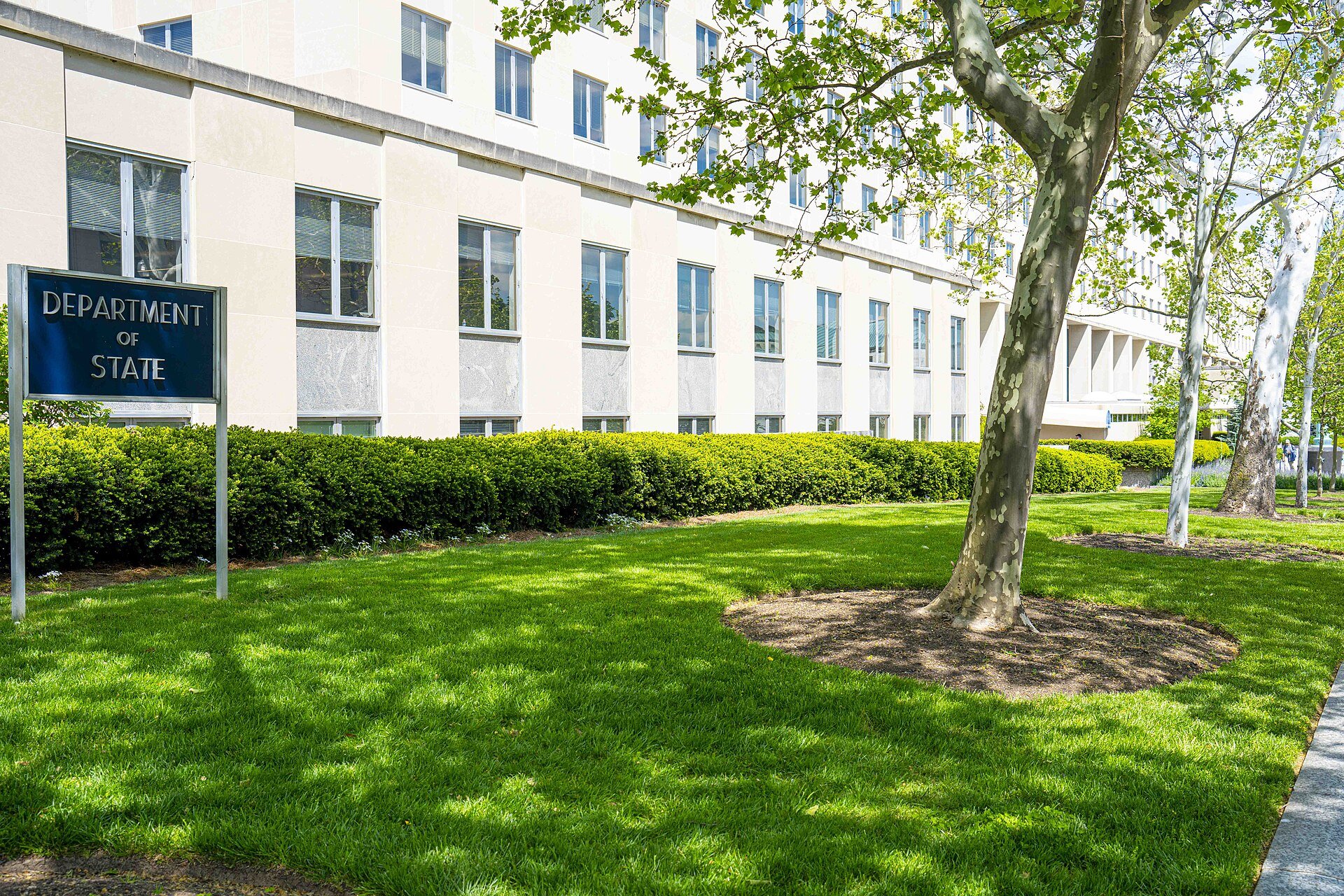
The U.S. State Department updated Nigeria’s status to Country of Particular Concern under the International Religious Freedom Act of 1998. That label is used for governments engaged in or tolerating particularly severe violations of religious freedom.
Under the law, CPC status is more than a symbolic rebuke. It requires the U.S. government to consider targeted responses, which can include diplomatic pressure and, if needed, sanctions or restrictions on assistance.
The practical effect is that Nigeria now faces closer U.S. scrutiny. Military aid, trade, development programs, and diplomatic engagement could all be affected, even if sanctions are not imposed immediately.
The timeline behind the Nigeria CPC designation
The first CPC designation came in December 2020, when Secretary of State Mike Pompeo placed Nigeria on the list. Secretary of State Antony Blinken removed the designation in 2021, according to a U.S. Senate letter and multiple advocacy and congressional sources.
The U.S. Commission on International Religious Freedom recommended on 25 March 2025 that Nigeria be redesignated. President Donald Trump announced the redesignation on 31 October 2025.
The first U.S.-Nigeria Working Group session followed on 22 January 2026 in Abuja. The joint statement said the group aims to reduce violence against vulnerable groups, especially Christians, and to create a climate in which all Nigerians can practice their faith unimpeded by terrorists, separatists, bandits, and criminal militias.
Security cooperation continues despite the dispute
The U.S. government says its Nigeria engagement still spans maritime and border security, military professionalization, counterterrorism against Boko Haram and ISIS-West Africa, defense trade, and security-sector governance. Law-enforcement assistance also remains substantial, including support for the Nigeria Drug Law Enforcement Agency, known as the NDLEA.
In 2024, the U.S. said it invested about $500,000 to modernize and equip an NDLEA forensic laboratory in Lagos. It later donated office space to the agency through AFRICOM and the Drug Enforcement Administration.
The U.S. embassy says its law-enforcement programming focuses on civilian security actors including the Nigeria Police Force, the NDLEA, and Nigerian Customs. Abuja is trying to reverse the designation diplomatically, citing progress in bilateral security and regional stability cooperation.
The great-power contest behind the Nigeria CPC designation
Nigeria matters because it is a major regional power. The BBC notes Nigeria is Africa’s largest oil producer and pumps around two million barrels per day, while World Bank material describes its current account as being in surplus, supported by oil export receipts, non-oil exports, and diaspora remittances.
Carnegie says Nigeria values the U.S. as its top foreign investor and security partner, but also values China, which is its top arms supplier and a major source of infrastructure finance. Nigeria joined China’s Belt and Road Initiative in September 2018, illustrating the balancing act between Western and Asian partners.
The U.S. CPC move is therefore not only about human rights. It is also a way to signal leverage over a pivotal African state that sits at the center of West African security, migration, energy, and voting politics, a theme explored in Africa: The New Scramble.
What to watch next in the Nigeria CPC designation process
Nigerian authorities and U.S. officials are managing two tracks at once: a public dispute over religious persecution and a continued operational partnership on crime, narcotics, and terrorism. The tension reflects a larger Nigerian debate about whether violence is best understood primarily as anti-Christian persecution, communal conflict, jihadist insurgency, criminal banditry, or a mix of all four.
Congressional Republicans have already framed the redesignation as a signal to condition U.S. assistance and intensify scrutiny of Nigerian officials and institutions accused of failing to stop anti-Christian violence. That pressure could shape how quickly the working group produces results.
Washington’s willingness to use religious-freedom tools against Nigeria shows how values policy is being folded into broader competition for influence in Africa. Nigeria’s importance gives Abuja bargaining power to keep U.S. security and law-enforcement support while resisting what it views as politicized religious pressure.
Frequently Asked Questions
What is the Nigeria CPC designation?
The Country of Particular Concern label is applied by the U.S. State Department under the International Religious Freedom Act of 1998 to governments engaged in or tolerating severe violations of religious freedom.
When did the U.S. and Nigeria first meet to address the designation?
The first session of the U.S.-Nigeria Working Group took place in Abuja on 22 January 2026.
Does the CPC designation end U.S. security cooperation with Nigeria?
No, the two governments continue to cooperate on counterterrorism, narcotics, maritime security, and law-enforcement programs even as they discuss the designation.
Sources
This article was produced by The Rio Times’ automated newsroom system. How we use AI · Report an error
LatAm Markets: Live Signals → — real-time movers, turnover leaders and FX across Latin America.
The Rio Times · Power Map
See who really holds power in Latin America
Click to open the Power Map →