By The Rio Times | Created at 2026-07-28 06:23:42 | Updated at 2026-08-05 20:10:50
1 week ago
By The Rio Times | Created at 2026-07-28 06:23:42 | Updated at 2026-08-05 20:10:50
1 week ago
Africa Intelligence
A daily Africa read from a Latin American newsroom. Free.
By subscribing you agree to our privacy policy. We never share your email.
Currency · Nigeria
Key Facts
—The move. Nigeria’s naira weakened to about 1,407 per US dollar on the parallel (black) market.
—From. That was down from roughly 1,400 per dollar the previous Friday.
—The context. The parallel market is where many Nigerians buy dollars outside official channels.
—The range. Through July, parallel-market quotes hovered broadly between 1,400 and 1,420 per dollar.
—The backdrop. Traders were watching the US Federal Reserve’s upcoming interest-rate decision for direction.
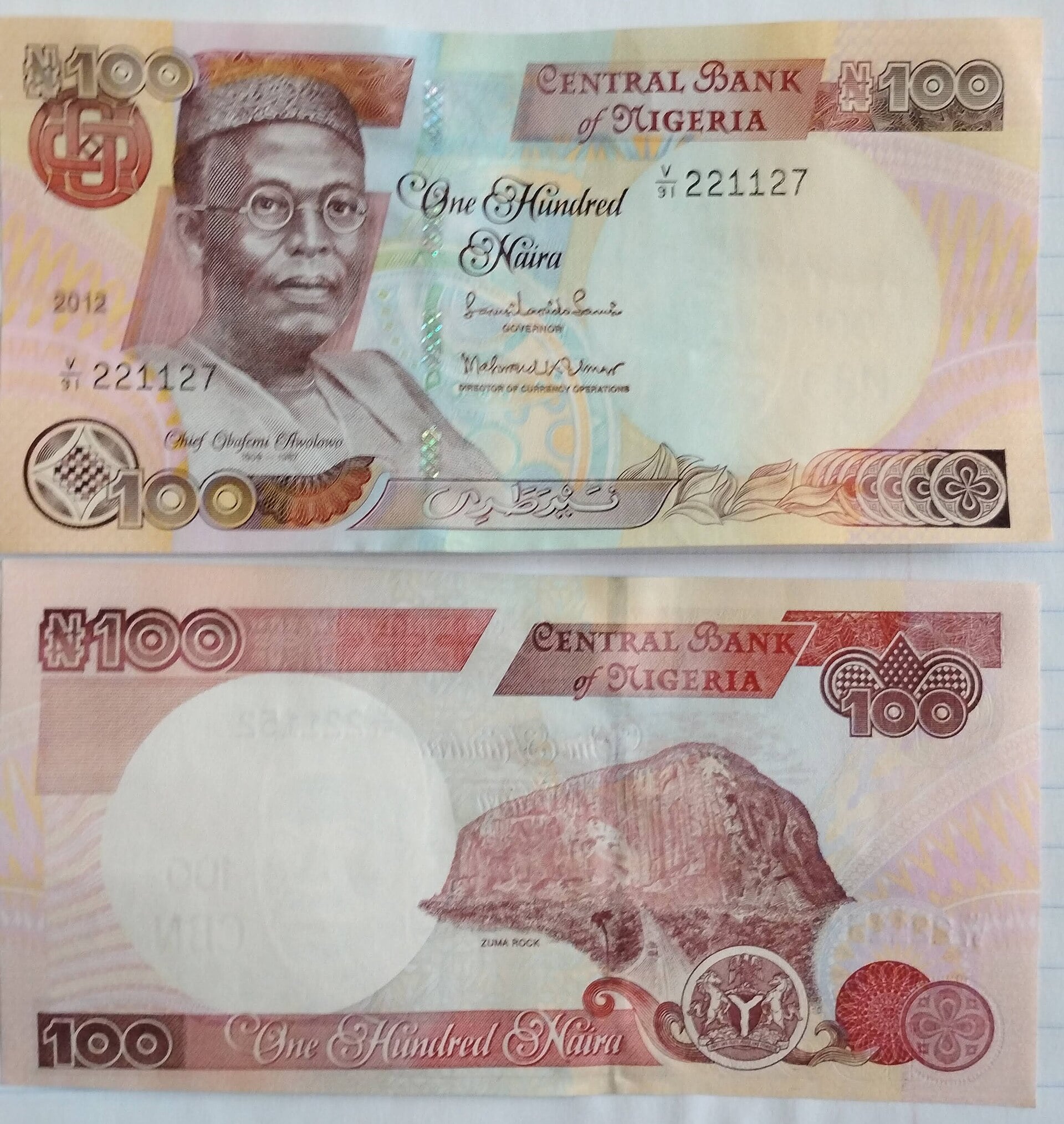
Nigeria’s currency slipped again on the street. The naira eased to about 1,407 per US dollar on the parallel market, extending a run of mild weakness as traders awaited the US Federal Reserve.
One-stop reference
Company Intelligence
Every listed company in Latin America — financials, ownership and structure for 1,450+ companies across 26 exchanges, in one place.
A softer naira
The naira depreciated to around 1,407 per US dollar on Nigeria’s parallel market, from roughly 1,400 the previous Friday. The move was modest but continued a pattern of gradual slippage through the month.
The parallel market, often called the black market, is where households and small businesses buy dollars outside formal banking channels. Its rate is closely watched as a gauge of real dollar demand in the economy.
Why the parallel market matters
Nigeria runs an official exchange rate alongside the parallel market, and the gap between them signals pressure on the currency. When the street rate weakens, it often reflects scarce dollars and strong demand for hard currency.
For ordinary Nigerians, the parallel rate shapes the cost of imported goods, travel and school fees abroad. A weaker naira raises the local price of anything priced in dollars.
What is driving it
Through July, parallel-market quotes drifted within a band of roughly 1,400 to 1,420 per dollar. Persistent dollar demand and thin foreign-exchange liquidity have kept the currency under mild, steady pressure.
Traders were also positioning ahead of the US Federal Reserve’s interest-rate decision. A more hawkish Fed tends to strengthen the dollar globally and weigh on emerging-market currencies like the naira.
The wider picture
Nigeria has pursued reforms to unify its exchange rates and attract foreign inflows after years of currency controls. Progress has been uneven, and the parallel market remains a barometer of confidence in those efforts.
Stabilising the naira is central to taming inflation, since a weaker currency pushes up import costs. Authorities have leaned on higher interest rates and reserve management to steady the market.
What to watch
The immediate focus is whether the naira holds near 1,400 or slides further as global rate expectations shift. Movements in oil revenue, Nigeria’s main dollar earner, will also shape the outlook.
For investors and residents, the parallel rate will stay a key signal of the economy’s dollar squeeze. A durable turn would require steadier inflows and narrower gaps with the official rate.
Frequently Asked Questions
How weak is the naira?
The naira eased to about 1,407 per US dollar on Nigeria’s parallel market, down from roughly 1,400 the previous Friday.
What is the parallel market?
It is the informal, or black, market where many Nigerians buy dollars outside official banking channels; its rate reflects real dollar demand.
Why is the currency under pressure?
Persistent dollar demand, thin FX liquidity and caution ahead of the US Federal Reserve’s rate decision have kept the naira soft.
Sources
LatAm Markets: Live Signals → — real-time movers, turnover leaders and FX across Latin America.
The Rio Times · Power Map
See who really holds power in Latin America
Click to open the Power Map →