 By The Epoch Times | Created at 2026-08-11 16:31:56 | Updated at 2026-08-11 16:48:12
23 minutes ago
By The Epoch Times | Created at 2026-08-11 16:31:56 | Updated at 2026-08-11 16:48:12
23 minutes ago
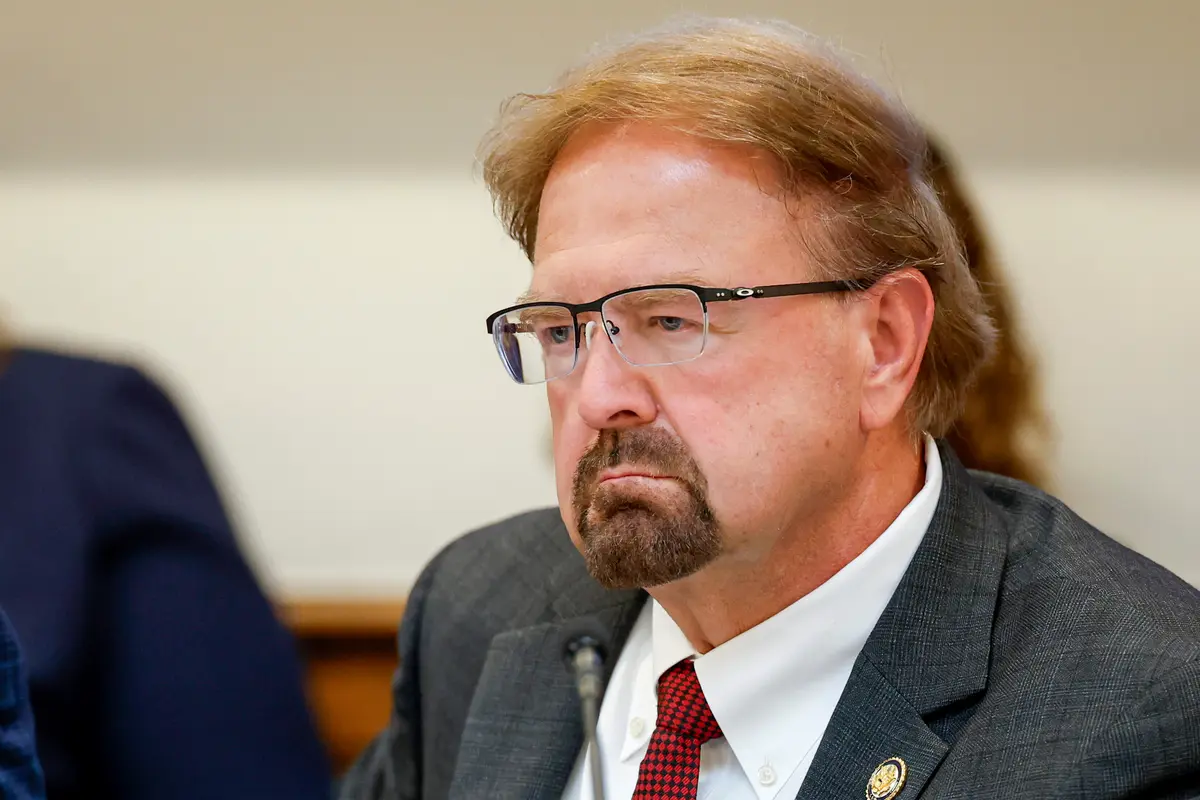
Rep. Chuck Edwards (R-N.C.) listens to testimony as the House Judiciary Subcommittee on Oversight holds a field hearing on violent crime in Charlotte, N.C., on Sept. 29, 2025. Nell Redmond/AP Photo
North Carolina state Rep. Jennifer Balkcom will be the Republican nominee in the state’s 11th Congressional District, succeeding Rep. Chuck Edwards (R-N.C.).
The GOP executive committee in the district picked Balkcom on Aug. 10 as the GOP looks to keep the district and control of the House of Representatives. Balkcom will face farmer Jamie Ager in November. The Cook Political Report rates the district as “Lean Republican.”
The 11th Congressional District is located in Western North Carolina, where Balkcom was born and raised.
“It has been an incredible honor to fight for Henderson County in Raleigh, and I will take that fight to Washington and work every single day to make life more affordable for working families, improve community safety, support our farmers, and ensure we have the resources we need to continue to recover from Hurricane Helene,” Balkcom said in a statement.
In her statement, Balkcom lamented what she said is the Democratic Party moving further to the left with democratic socialists winning primaries nationwide.
“We must prevent that radical agenda from reaching our government, and that starts right here in the Eleventh District,” she said.
On Aug. 5, Edwards announced that he would drop his reelection bid following a House Ethics Committee report that determined he had acted inappropriately.
“After much prayer and reflection, I’ve decided to withdraw from my re-election campaign,” Edwards posted on X, adding that he will complete his current term.
The House Ethics Committee released the report two days prior saying Edwards should be censured by the House over alleged conduct toward two female staffers in his office.
The report accused Edwards of having “engaged in persistent unprofessional and inappropriate conduct towards two young female staffers.”
The committee did not find Edwards engaged in sexual activity with the staffers.
While Edwards “denied that any of his conduct was intended as a sexual or romantic advance, his pattern of behavior would lead a reasonable observer to interpret it as such, including providing the young women with lavish and recurrent gifts, making comments regarding their appearance and dress, inviting them to intimate dinners and vacations, sending notes regarding his effusive affection, and inviting them to other activities as a way to spend time together,” according to the report.
Edwards “was aware, however, that his excessive attention toward the young women had led to rumors and innuendo in the office,” the report said. “Both women were uncomfortable with his behavior (which they attempted to communicate) but were put in an untenable position by virtue of his status as their boss and a member of Congress. Rep. Edwards was at minimum blind to that reality, and at worst, dismissive of the impact his inappropriate conduct had on the careers and wellbeing of two women on his staff.”
Edwards’s office did not respond to a request for comment on the report.