By The Rio Times | Created at 2026-09-21 11:16:40 | Updated at 2026-09-21 12:08:46
1 hour ago
By The Rio Times | Created at 2026-09-21 11:16:40 | Updated at 2026-09-21 12:08:46
1 hour ago
GUIDES · GHANA
Key Facts
- —What it is the identity-first process a foreigner follows to open and run a Ghanaian bank account.
- —Who it’s for expats, remote workers, retirees and investors with residence or long-stay status in Ghana.
- —What it costs bank opening deposits from about US$4, plus US$120 for the non-citizen card.
- —Why it matters without the right card, a bank may not transact for you at all.
- —The catch inward remittances are converted to cedis, so dollar earners carry exchange-rate risk.
Open bank account Ghana foreigner questions all lead to one document — the Ghana Card, or its non-citizen version.

One-stop reference
Company Intelligence
Every listed company in Latin America — financials, ownership and structure for 1,450+ companies across 26 exchanges, in one place.
Open bank account Ghana foreigner rules in 2026 turn on identity, not on money. Ghana’s central bank now treats the Ghana Card as the sole identity document for financial transactions.
Open Bank Account Ghana Foreigner Rules Begin With the Ghana Card
The Bank of Ghana revised its Ghana Card notice in November 2025. Notice BG/GOV/SEC/2025/36 took effect on 1 December 2025 and replaced the 2022 version.
The supervisory guidance note that explains it tells institutions to use only the Ghana Card to identify customers. For non-Ghanaians, the Non-Citizen Identity Card or Refugee Identity Card is the accepted equivalent.
The rule is blunt. Where a customer has not registered for one of those cards, the institution shall not undertake any financial transaction.
So a foreigner who wants to open a bank account in Ghana starts with identity, not with a deposit. The money question comes second.
Who Can Get the Non-Citizen Ghana Card
The National Identification Authority issues the card through its Foreigner Identification Management System. Any foreign national cumulatively resident in Ghana for at least 90 days may apply.
Cumulative means separate stays add up towards the threshold. Diplomats, consular and United Nations staff and their dependants are exempt under the 2012 identity regulations.
The authority publishes these fees in US dollars, payable in cedis. First issuance costs US$120 per person, annual renewal US$78 and replacement US$75.
A foreigner who plans to open a bank account in Ghana should budget for the card first. Registration is in person, with fingerprints, portrait and iris captured.
The document set is specific. You need a passport, a residence permit, a certified birth certificate and a sworn oath of identity.
The Documents Banks Ask For
No two banks hand a foreigner exactly the same list. The core, though, is consistent across Ghana and easy to prepare in advance.
Expect your passport, your Non-Citizen Ghana Card and a residence or work permit. Proof of address usually means a utility bill, a tenancy agreement or a digital address.
Salaried expats are also asked for an employment letter, a contract or a payslip. Some banks still want a reference from an employer or an existing customer.
Verification is biometric and runs against the national identity database. Onboarding through a banking app adds a liveness check, which the bank may not treat as optional.
If verification fails, the guidance sets out a defined path. The bank flags the account so no debit is possible, and allows 90 days to correct the records.
Foreign non-residents staying under 90 days are handled separately. They may only carry out one-off transactions — remittances, third-party deposits or withdrawals, and card payments.
For those transactions a valid passport is the identity document. The bank also records visa details, the date of entry and both home and local addresses.
Cedi Accounts, FCA and FEA — the Difference That Matters
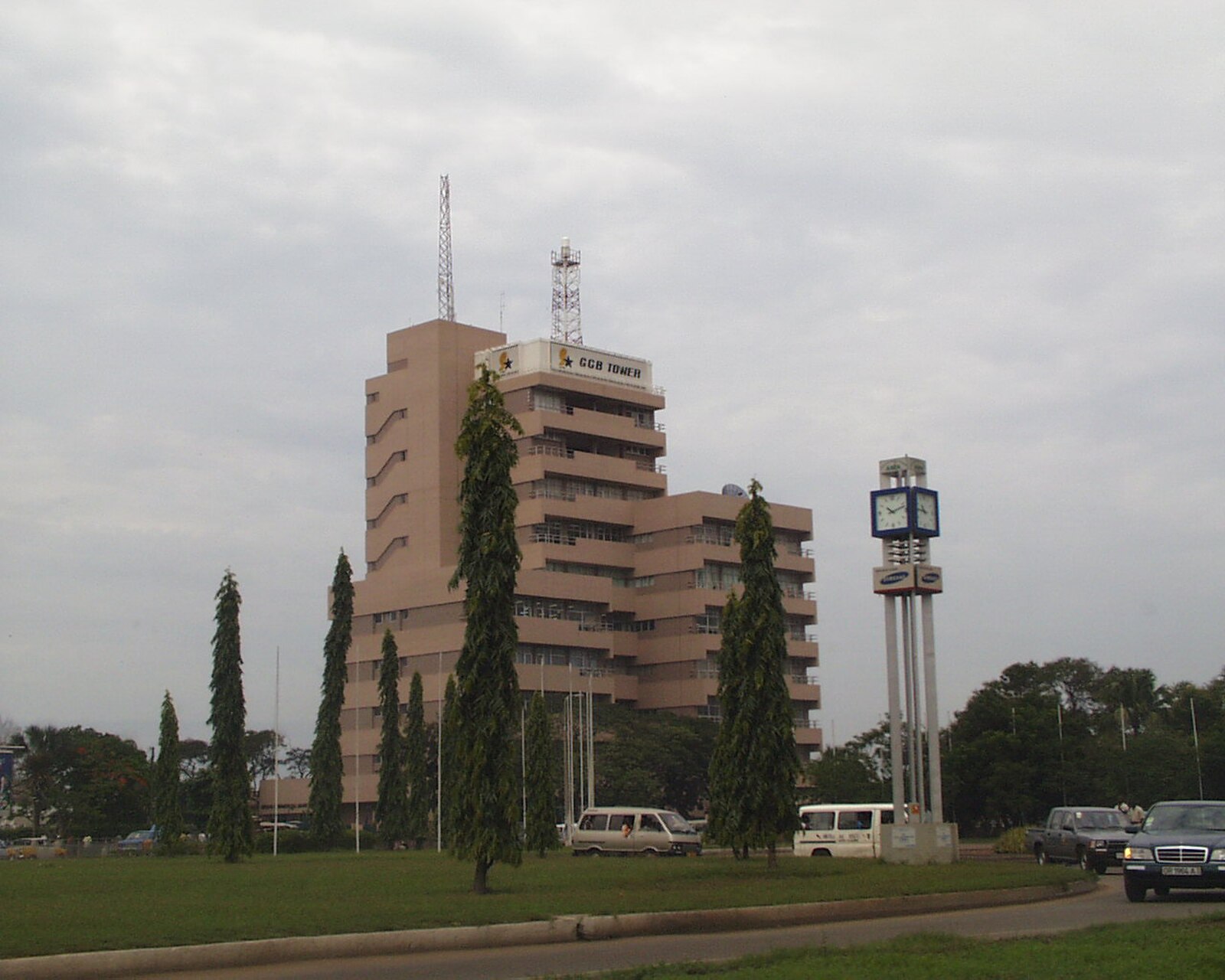
Ghana recognises two kinds of foreign-currency account, and the difference decides how money reaches you. Mixing them up is the most common planning error foreigners make.
The Foreign Currency Account, or FCA, is fed from outside the country. GCB Bank describes its version as funded exclusively from sources abroad, without cash deposits over the counter.
The Foreign Exchange Account, or FEA, holds foreign currency earned inside Ghana. A local salary paid in dollars belongs there, and cash deposits are accepted.
Transfers from an FEA into an FCA stay prohibited under a central-bank notice issued in 2014. Other transfers between accounts are permitted.
If you open a bank account in Ghana as a foreigner paid abroad, ask which type you are being given. Get the answer in writing before you sign.
Moving Money In and Out of Ghana
The central bank issued guidelines for international money transfer operators in December 2025. Registered operators may handle inward, person-to-person remittances only.
All inward transactions must settle in cedis, through a designated settlement account at a partner bank. Conversion happens the same day at a prescribed benchmark rate.
That single rule shapes the whole plan. A foreigner who opens a bank account in Ghana to receive money from abroad should expect cedis at the end of the chain.
Those operators are barred from outbound transfers, deposit-taking, lending and foreign-exchange trading. They may also not pay remittances into business or corporate accounts.
Sending money out therefore runs through a bank, using the SWIFT network that links banks worldwide. Expect compliance questions, supporting documents and a check on the bank’s own foreign-exchange capacity.
The Foreign Exchange Act of 2006 requires transfers to and from Ghana to pass through licensed institutions. That law is the basis on which your bank asks its questions.
Cash for travel is capped separately. Customers without an FEA or FCA may buy up to US$10,000 per person per trip, against passport, visa and ticket.
Mobile Money, SIM Cards and Instant Payments
Mobile money in Ghana rides on a registered SIM card, and registration is identity-based. The communications regulator lists the Non-Citizen Ghana Card as the required identity for foreign residents.
Visitors register with a passport and proof of entry, and diplomats use a foreign-ministry card. Registration is validated biometrically against the national identity database.
So foreigners can use mobile money, but only once that chain is complete. Where a line is suspended, the wallet attached to it can be frozen too.
Mobile money matters because it is woven into ordinary local payments. It is usually the simplest way to move small sums inside the country.
Fees, Minimum Balances and the End of the E-Levy
There is no national fee schedule for foreigners. Each bank publishes its own tariff guide, and the numbers vary more than newcomers expect.
Some published 2026 tariffs are modest. Société Générale Ghana lists a current-account opening deposit of 50 cedis (about US$4), effective 3 August 2026.
OmniBSIC asks 50 cedis (about US$4) to open a personal savings account. Its individual foreign-exchange current account asks an opening deposit of US$50.
Stanbic Bank Ghana’s private banking guide sets a 500-cedi (about US$44) opening amount from August 2026. The monthly service fee on an FEA there is US$5.
Foreign cash is where costs bite. Stanbic charges 5% of face value, minimum US$20, and international transfers carry commission of 0.35% to 0.75%, minimum US$50.
One old cost has gone. Parliament repealed the 1% electronic transfer levy, effective 2 April 2025, so bank and mobile transfers no longer carry it.
What Holding Cedis Means for a Dollar Earner
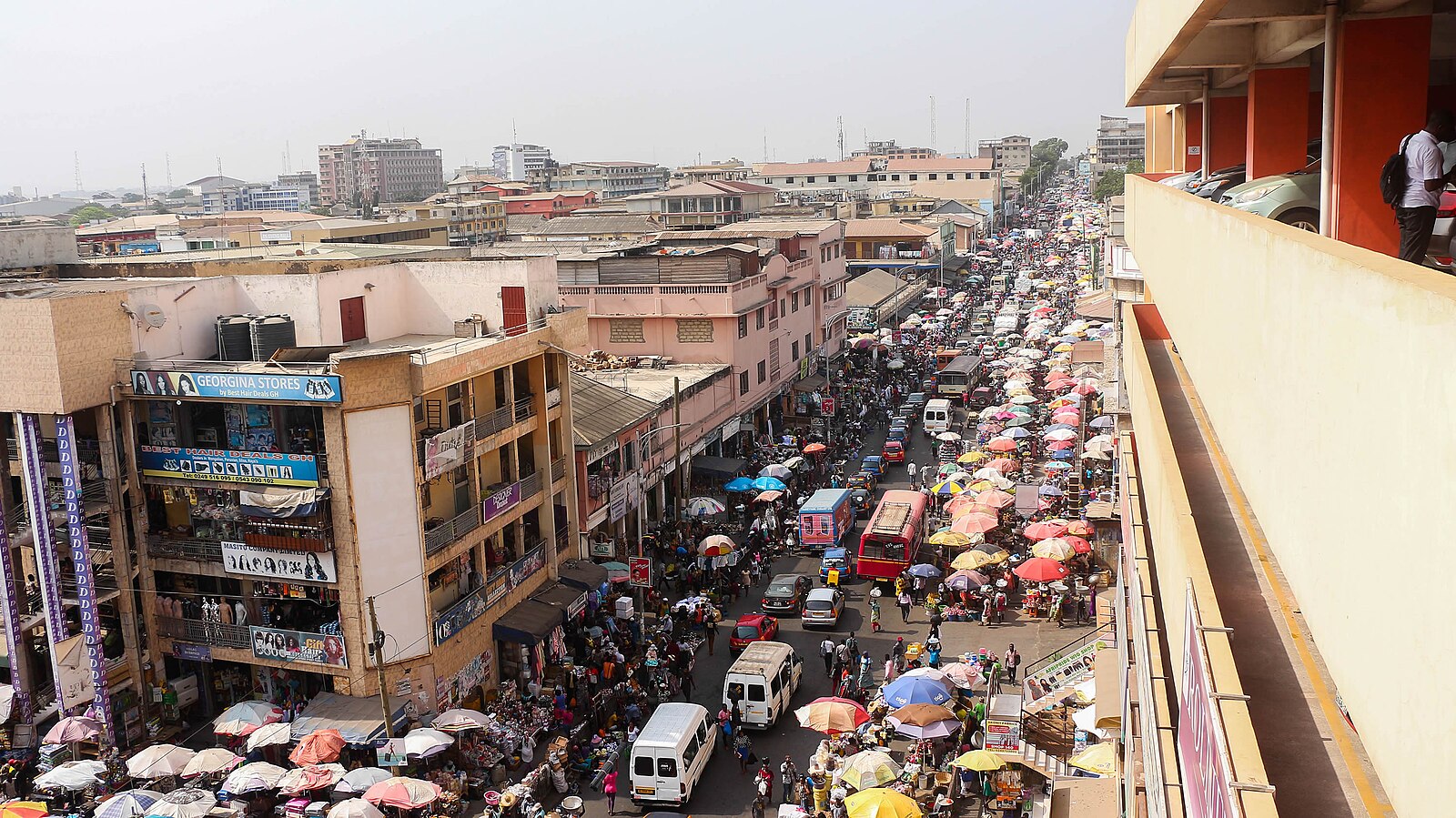
Holding cedis means holding exchange-rate risk, and 2026 has shown movement in both directions. Central-bank data put the interbank rate at 10.95 to the dollar at end-January.
It weakened through May, recovered in August, then slipped again in September. At 21 September 2026 exchange rates, the cedi sits near 11.46 to the dollar.
That is a depreciation of roughly 9% so far this year, after a sharp appreciation during 2025. In November 2024 the rate had peaked above 16 cedis to the dollar.
The central bank has described the recent slide as a managed adjustment rather than a defended level. It also reported lower volatility in 2026 than in the four preceding years.
For your own life, the rule is plain. Keep working cash in cedis, and hold savings in a foreign-currency account where your status and your bank allow one.
What is not published is the spread each bank applies when it converts your money. Those margins are set institution by institution and are not centrally disclosed.
Pitfalls: Address Proof, Refreshes and Dormant Accounts
Address proof is the most common stumbling block. Collect a utility bill, tenancy agreement or digital address reference before you go to the branch.
Permits expire, and banks keep refreshing customer records against the identity database. An expired permit can stall a transaction long after the account was opened.
Dormancy is a real risk for people who split the year between countries. Under central-bank rules, two years without customer-initiated activity makes an account dormant.
After three further years on the dormant register, and public notice, the balance goes to the central bank. You can reclaim it through your bank, but no interest is added.
One asymmetry catches absent account holders. Third parties may still deposit into an account not yet updated with the card, but withdrawals are blocked.
How Ghana Compares With Nigeria and Kenya
Ghana is unusual in how completely its banking identity rests on one national card. Nigeria and Kenya reach similar compliance goals by different routes.
Nigeria builds on the bank verification number and the national identity number. Its central bank opened a remote, non-resident route in May 2025 for Nigerians abroad, charging US$50.
Kenya works through a tax number instead. Its revenue authority asks a foreign employee for a passport, a valid work permit and a letter from the employer.
So Ghana is restrictive before the card and comparatively straightforward after it. That single threshold is the thing to plan around.
None of this moves quickly, and none of it rewards improvisation. Gather the documents, expect biometric checks, and treat the card as step one rather than paperwork.
Frequently Asked Questions
Frequently Asked Questions
Can a foreigner open a bank account in Ghana without a Ghana Card?
In practice, no. The Bank of Ghana’s guidance tells institutions not to transact for customers who have not registered for the Ghana Card, the Non-Citizen Identity Card or the Refugee Identity Card. Foreign non-residents staying under 90 days may only carry out one-off transactions, such as remittances and card payments.
How long must a foreigner live in Ghana to apply for the Non-Citizen Ghana Card?
The National Identification Authority accepts applications from foreign nationals cumulatively resident for at least 90 days. Separate stays add up towards that threshold. Diplomats, consular and United Nations staff and their dependants are exempt.
Does money sent to Ghana from abroad arrive in foreign currency?
Usually not. Under the central bank’s December 2025 guidelines, registered transfer operators must settle inward remittances in cedis through a designated account. The conversion happens on the same day at a prescribed benchmark rate.
Is the e-levy still charged on transfers in Ghana?
No. Parliament repealed the electronic transfer levy and the repeal took effect on 2 April 2025. Bank and mobile money transfers no longer carry that 1% charge, although each institution still applies its own fees.
Can foreigners use mobile money in Ghana?
Yes, once the identity chain is complete. The communications regulator requires foreign residents to register their SIM card with the Non-Citizen Ghana Card, while visitors use a passport and proof of entry. A mobile money wallet depends on that registered line.
What happens if I leave my Ghanaian account untouched for years?
Two years without customer-initiated activity makes an account dormant under central-bank rules. After three years on the dormant register, and public notice, the balance is transferred to the Bank of Ghana. It can be reclaimed through your bank, but without interest.
Sources: Rules and figures come from Bank of Ghana notices, guidance and exchange-rate data, the National Identification Authority, the Electronic Transfer Levy (Repeal) Act published by Ghana’s Parliament, the National Communications Authority, and the published tariff guides of Ghanaian banks.