By The Rio Times | Created at 2026-08-05 22:31:52 | Updated at 2026-08-06 01:58:13
4 hours ago
By The Rio Times | Created at 2026-08-05 22:31:52 | Updated at 2026-08-06 01:58:13
4 hours ago
Energy: Buenos Aires
Key Facts
—Results. Pampa Energía reported Q2 2026 sales of US$746 million (up 53% year-on-year) and adjusted EBITDA of US$415 million (up 75%).
—Profit. Net income attributable to shareholders reached US$172 million, about 4.3 times the same quarter of 2025.
—Oil ramp-up. Crude oil output jumped 194% to 23,400 barrels per day as the Rincón de Aranda field in Vaca Muerta scaled up.
—Investment. Pampa and affiliate Transportadora de Gas del Sur (TGS) are advancing four main projects worth close to US$11 billion.
—Context. Pampa is an Argentine energy group active in oil, gas, power generation and petrochemicals, and reports its accounts in US dollars.
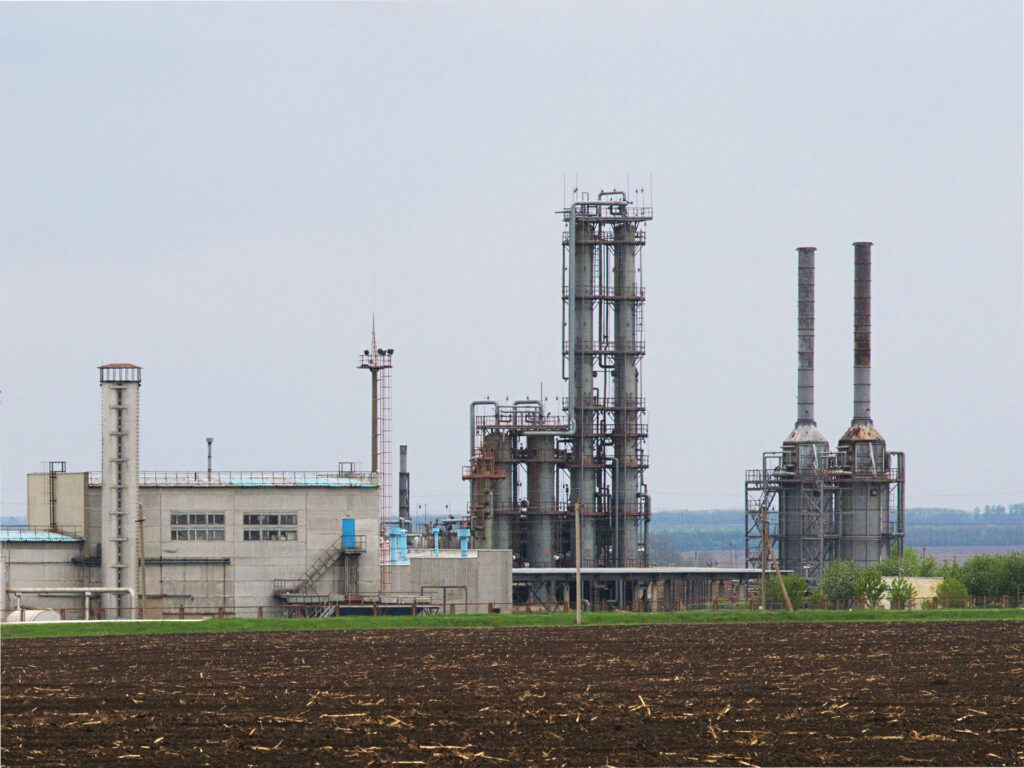
Pampa Energía posted record-strong second-quarter results on higher Vaca Muerta oil output, while pressing ahead with a portfolio of oil, gas and power projects worth close to US$11 billion.

A Record-Strong Second Quarter
Pampa Energía (NYSE: PAM; Buenos Aires: PAMP) reported sales of US$746 million in the second quarter of 2026, up 53% from a year earlier. Adjusted EBITDA rose 75% to US$415 million, and net income attributable to shareholders reached US$172 million, roughly 4.3 times the figure booked in the same quarter of 2025.
The company said the gains were driven by Argentina’s new wholesale-power framework, which supported higher spot prices and business-to-business supply contracts, together with higher crude oil output and stronger gas sales to power plants. Because Pampa reports in US dollars as its functional currency, its figures do not require peso conversion.
The results extend a run of expansion tied to Vaca Muerta, the vast shale formation in Argentina’s Neuquén province that has turned the country into a growing oil and gas exporter.
Shale Oil Output Nearly Triples
Total oil and gas production rose 28% to 107.5 thousand barrels of oil equivalent per day. Within that, crude oil output surged 194% to 23,400 barrels per day, while gas production grew 10% to 84,100 barrels of oil equivalent per day.
The jump reflects the ramp-up of Rincón de Aranda, a field in the “black oil” window of Vaca Muerta. Pampa has made the block the centrepiece of an upstream push aimed largely at export markets.
Power generation, still a core business, rose 14% to 5,363 gigawatt-hours, and the gross margin per megawatt-hour climbed 30% to US$33.6, helped by seasonal spot prices and tighter integration between Pampa’s gas and power operations.
Live Company IntelligencePampa Energia SA ADR — the full investor dossierInside: live share price, market cap, three-year financials, valuation, ESG and peer benchmarks — plus the latest Rio Times coverage.P
◆ Live Company Intelligence
Pampa Energia
NYSE: PAMPAMPAIndustrialsConglomerates
$4.56B
Market cap
Analyst target $120.32
Wall Street view
3.9Moderate Buy/ 5
4 Buy4 Hold0 Sell
Avg. price target $120.32 · +44% vs 200-day
Valuation & profitability
Market cap$4.56B
Revenue (TTM)$2.16B
P / E ratio10.5
Profit margin20.3%
Return on equity12.1%
Price & risk
52-wk low
$54.9552-wk high
$94.50
Beta (volatility)-0.22
200-day average$83.53
Revenue trend · 6y
20202025
Latest $2.00B
Ownership
Institutions9.1%
Shares outstanding54M
Top holderMIRAE ASSET GLOBAL ETFS HOLDINGS Ltd.
Institutional holders5+ funds
Dividend
No regular dividend — earnings reinvested for growth.
What Pampa Energia does. Pampa Energía S.A. operates as an integrated power company in Argentina. The company operates through Oil and Gas; Generation; Petrochemicals; and Holding, Transportation and Others segments. It generates electricity through thermal plants, hydroelectric plants, and wind farms with a 5,472 megawatt (MW) installed capacity. The company also explores for and produces oil…
A Near US$11 Billion Investment Push
Beyond the quarter, Pampa is advancing a set of large projects that, together with its affiliate Transportadora de Gas del Sur (TGS), add up to close to US$11 billion in planned investment across oil, gas and midstream infrastructure.
The largest single piece is the full development of Rincón de Aranda, an upstream plan of about US$4.5 billion approved under Argentina’s large-investment incentive regime; the company has said it envisions drilling 259 wells and running the field through 2041. Pampa is also backing a granulated-urea plant near Bahía Blanca estimated at about US$2.7 billion.
The remaining projects sit in transport and liquefied natural gas, including stakes in a new Vaca Muerta oil pipeline and a floating LNG venture designed to ship Argentine gas abroad. Taken together, they mark a strategic tilt toward exports.
Why the Incentive Regime Matters
Several of Pampa’s projects have been admitted to Argentina’s Régimen de Incentivo para Grandes Inversiones (RIGI), a framework that offers tax and foreign-exchange benefits to very large, long-horizon investments. For international investors, the regime is meant to provide legal stability in a country with a long record of policy swings.
Rincón de Aranda has been classified as a strategic long-term export project, a status that supports the company’s plan to sell most of its output abroad. Pampa estimates exports from the field could total roughly US$17 billion over its useful life.
Attribution matters here: these are company and government projections, not guaranteed outcomes, and they depend on oil prices, execution and Argentina’s macroeconomic path.
Balance Sheet and What Comes Next
The build-out is capital-intensive. Net debt rose to US$1.3 billion as of 30 June 2026, from US$801 million at the end of 2025, which the company attributed to higher spending at Rincón de Aranda and increased collateral tied to oil hedging. Cash and equivalents stood at US$979 million.
For the first half of 2026, sales reached US$1,319 million, up from US$900 million a year earlier, with foreign-market sales more than doubling to US$313 million.
Pampa scheduled a results videoconference for 5 August 2026, led by chief executive Gustavo Mariani. The near-term questions for investors are how quickly Rincón de Aranda can lift output and whether export infrastructure is delivered on schedule.
Frequently Asked Questions
How did Pampa Energía perform in the second quarter of 2026?
Pampa Energía reported Q2 2026 sales of US$746 million (up 53%), adjusted EBITDA of US$415 million (up 75%) and net income attributable to shareholders of US$172 million, about 4.3 times the same quarter of 2025.
What is Pampa Energía’s US$11 billion investment plan?
It refers to four main projects that Pampa and affiliate TGS are advancing across oil, gas and infrastructure, worth close to US$11 billion in total, led by the roughly US$4.5 billion Rincón de Aranda development and a roughly US$2.7 billion urea plant.
Where is Pampa Energía’s oil growth coming from?
Mainly from Rincón de Aranda, a field in the black-oil window of the Vaca Muerta shale in Neuquén, where crude output rose 194% year-on-year to 23,400 barrels per day in Q2 2026.
Sources: Pampa Energía via PR Newswire and StockTitan; Infobae; Diario Financiero.