By The Rio Times | Created at 2026-10-12 18:46:54 | Updated at 2026-10-12 20:09:06
2 hours ago
By The Rio Times | Created at 2026-10-12 18:46:54 | Updated at 2026-10-12 20:09:06
2 hours ago
PARAGUAY · ECONOMY
Key Facts
- —What happened The central bank published August activity data on Monday, 12 October.
- —The figure The monthly activity index rose 6.7% from August 2025.
- —Previous value Growth was 5.5% in July and 5.7% for January to August.
- —The driver Industry, electricity and construction grew 12.2% year on year.
- —The weak spot Primary output fell 2.7% as maize, wheat and cotton harvests shrank.
- —Credit rating Fitch rates Paraguay BB+, one notch below investment grade.
Paraguay’s economy accelerated in August, powered by electricity, factories and construction. Smaller harvests were the main drag.
Paraguay economic activity grew 6.7% in August from a year earlier, the Banco Central del Paraguay (BCP) said on Monday, 12 October. That was faster than July’s 5.5% and lifted growth for the first eight months to 5.7%.
The figures matter to US holders of Paraguay’s dollar bonds, since Fitch rates the country one notch below investment grade. Paraguay, a landlocked soy and beef exporter between Brazil and Argentina, is also Taiwan’s only diplomatic ally in South America.
Electricity and Factories Drive the August Jump
The IMAEP, the central bank’s monthly indicator of economic activity, is an early guide to gross domestic product. Its secondary sector, covering manufacturing, electricity, water and construction, grew 12.2% year on year.
Electricity generation showed a large annual increase, the BCP said, without giving a figure. Paraguay co-owns two giant hydropower dams, Itaipu with Brazil and Yacyretá with Argentina.
Manufacturing grew 8.2% on the year, led by oils, dairy, milling and bakery, and pharmaceuticals. Meat processing, sugar, drinks and tobacco, and textiles declined.
Construction also grew, helped by faster work on public and private projects. From January to August, the secondary sector expanded 5.9% and manufacturing 4.2%.
Follow this story
Get an email when there’s news on Paraguay economy
Free. One email a day at most, and only when there is news. This also signs you up to our weekday newsletter, The LatAm Brief. Nothing arrives until you click the confirmation link, and you can stop either with one click. Privacy policy.
Farm Output Falls as Services Grow More Slowly
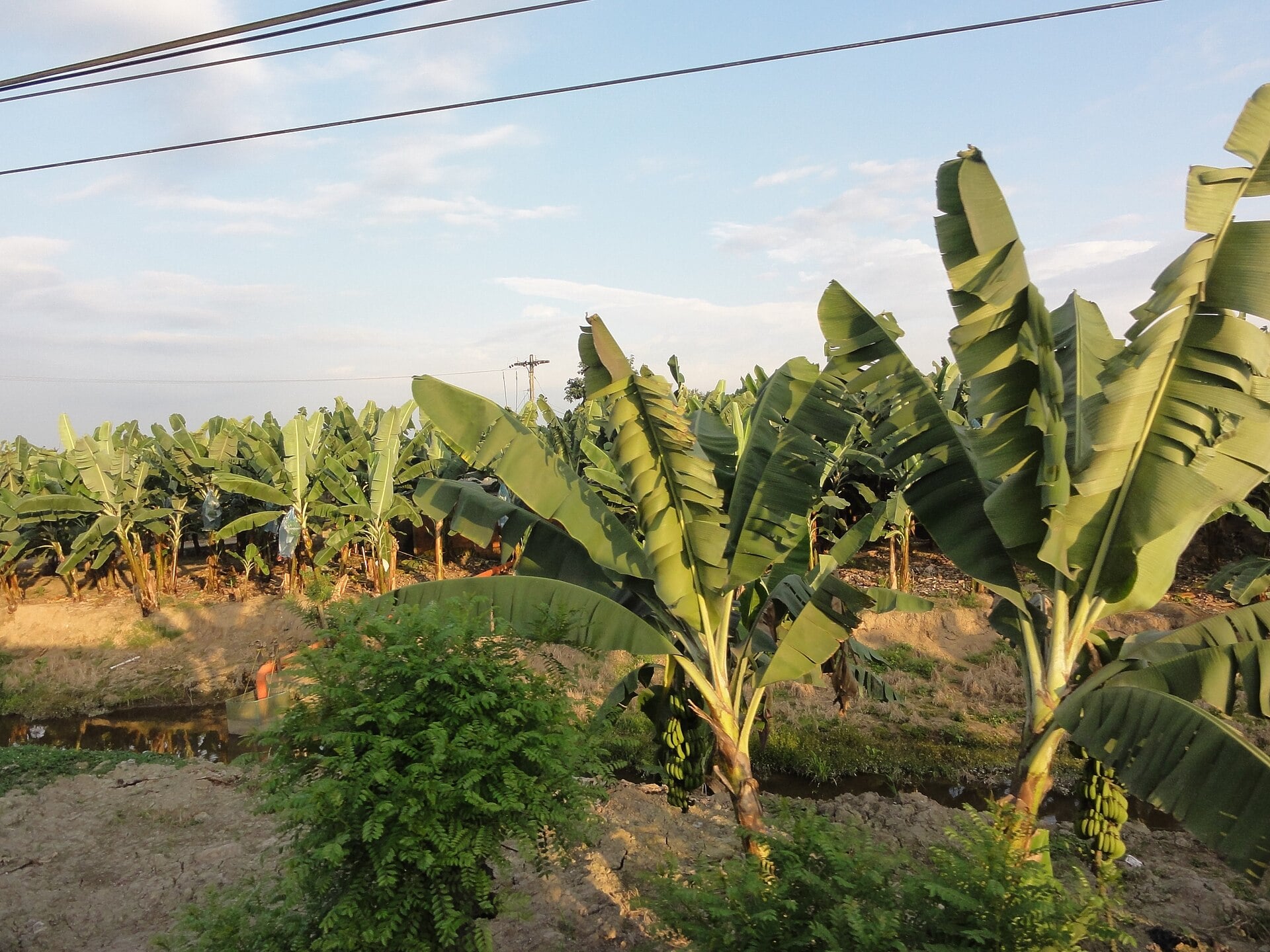
The primary sector, which includes crops and livestock, fell 2.7% from August 2025. The bank blamed smaller harvests of maize, wheat, cotton and yerba mate, the leaf used for a popular tea.
Livestock grew on higher pig and poultry slaughter and more milk and eggs. Cattle slaughter, however, kept falling as ranchers rebuild their herds.
For the full year, the BCP still expects a good farm result, mainly from a larger 2025/2026 soybean crop. Primary-sector growth for January to August stood at 8.5%.
Services grew 4.5% in August and 4.9% in the first eight months. Commerce, finance, real estate and information services rose, while transport, hotels and restaurants, and telecoms declined.
Core Growth Broadens Beyond Dams and Harvests
The BCP also publishes a measure that strips out agriculture and the two binational dams. That core measure rose 6.5% year on year in August, up from 4.3% in July.
So far this year, the core measure is up 5.1%, against 4.9% through July. The faster pace suggests growth is spreading beyond hydropower and harvests.
La Nación, an Asunción daily, reported the release on Monday as a sign of a robust economy. The central bank stressed that the August numbers are based on preliminary information.
What It Means for You
For US bond investors, faster growth supports Paraguay’s credit story. Fitch affirmed the country’s BB+ rating with a positive outlook, the central bank said on Wednesday, 30 September.
BB+ is the highest sub-investment-grade rating on the Fitch scale. A positive outlook signals that an upgrade is possible, though not guaranteed.
The guaraní traded at about 5,768 per US dollar early on Monday, on open.er-api.com data. ABC Color reported on Sunday that the falling dollar is challenging motorcycle makers, who want a more predictable exchange rate.
The data arrived on the day China sanctioned a Paraguayan minister over Taiwan. Paraguay’s government rejected the sanctions and reaffirmed its support for Taiwan, La Nación reported.
What Is Not Known
The August figures are preliminary and may be revised with the next report. The BCP gave no growth rate for electricity generation or construction.
No market consensus forecast for August was available for comparison. It is also unclear whether recent flooding along the Paraná River, reported by La Nación, will weigh on activity in later months.
What Comes Next
The BCP publishes the index with a lag of about 42 days. September data are therefore expected around mid-November.
Full-year growth depends heavily on soybeans and hydropower. One strong month does not guarantee that the 5.7% year-to-date pace will hold.
Frequently Asked Questions
What Is the IMAEP?
It is the monthly activity indicator of the Banco Central del Paraguay, covering farming, industry and services. Economists use it as an early signal of gross domestic product.
How Fast Did Paraguay Economic Activity Grow in August?
It grew 6.7% from August 2025, according to preliminary central bank data. Growth for January to August reached 5.7%.
What Held Growth Back?
The primary sector fell 2.7% on smaller maize, wheat, cotton and yerba mate harvests. Cattle slaughter also declined as ranchers rebuild their herds.
Why Does It Matter to US Investors?
Paraguay issues dollar bonds, and Fitch rates it BB+ with a positive outlook. Strong growth can support the case for a future upgrade to investment grade.
When Is the Next Release?
September data are expected around mid-November, given a publication lag of about 42 days. The August figures may be revised then.
Sources: Banco Central del Paraguay, IMAEP report, August 2026; Banco Central del Paraguay, IMAEP report, July 2026; BCP, Fitch rating statement; La Nación; La Nación (Taiwan); ABC Color (all accessed 12 October 2026).