By The Rio Times | Created at 2026-08-03 18:26:50 | Updated at 2026-08-03 20:06:45
1 hour ago
By The Rio Times | Created at 2026-08-03 18:26:50 | Updated at 2026-08-03 20:06:45
1 hour ago
Art & Culture: Peru
Key Facts
—Recovery. Peru has repatriated from Brazil a 1942 manuscript titled Arte Antiguo Peruano del Museo Nacional, a bibliographic heritage object.
—What it is. The work, by Russian engineer Constantino Malinovsky, gathers 15 watercolours reproducing ceramic pieces from Peru’s former Museo Nacional.
—How it returned. A Brazilian collector who had bought it at auction voluntarily handed it to Peru’s Embassy in Brazil after experts confirmed it was national heritage.
—Institutions. The Ministry of Culture, the National Library of Peru (BNP) and the Foreign Ministry ran the verification and repatriation.
—Next step. After authentication in Lima the manuscript will pass to the National Library, which is legally responsible for protecting it.
Peru has recovered a 1942 watercolour manuscript documenting its ancient ceramics from a private owner in Brazil, closing a cross-border heritage case that ran through an auction house, an airport inspection and a voluntary return.
One-stop reference
Company Intelligence
Every listed company in Latin America — financials, ownership and structure for 1,450+ companies across 26 exchanges, in one place.
A 1942 Manuscript Comes Home
Peru has repatriated a rare bibliographic object from Brazil: a manuscript from around 1942 titled Arte Antiguo Peruano del Museo Nacional. Specialists from the country’s Ministry of Culture, the National Library of Peru and the Foreign Ministry recently verified the work after it was returned via São Paulo.
The manuscript is considered part of the cultural heritage of the nation, a legal status in Peru that protects objects of historical, artistic or documentary value and restricts their sale and export. Its recovery adds to a broader push by Peruvian authorities to bring dispersed heritage back home.
For foreign readers, the case is a compact illustration of how Latin American countries police the trade in their patrimony — through embassies, auction monitoring and technical authentication rather than dramatic seizures.
What the Watercolours Actually Show
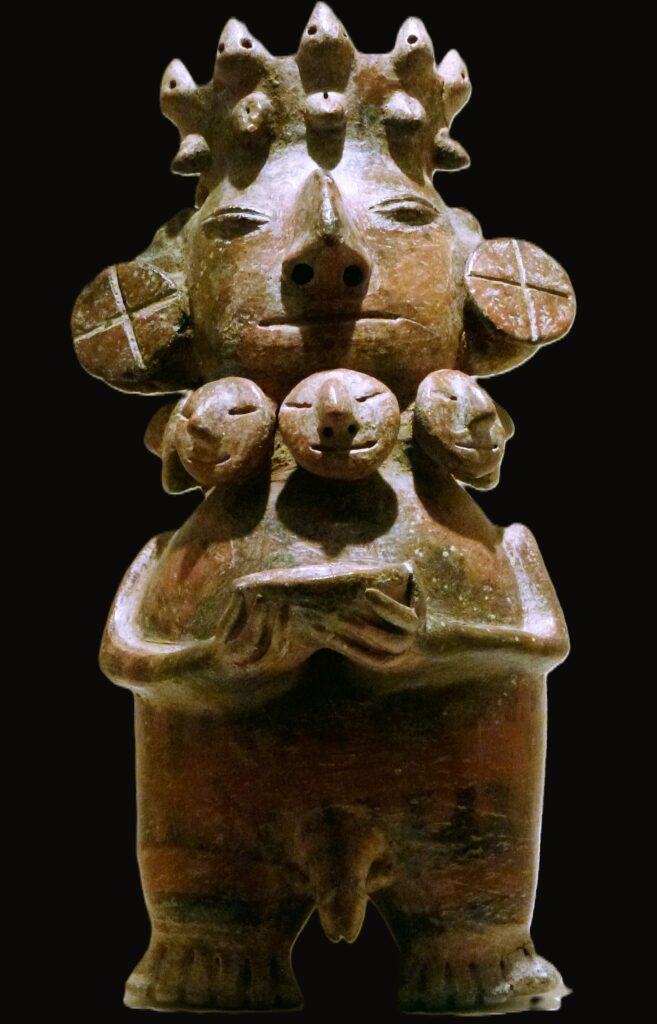
The work was created in 1942 by Constantino Malinovsky, described in Peruvian reporting as a Russian engineer. It contains 15 watercolours that reproduce pieces from the ceramic collection of what was then Peru’s Museo Nacional, the country’s national museum.
Those painted plates are more than decoration. In an era before high-quality colour photography was routine, hand-painted reproductions were a standard way to document and circulate images of archaeological collections. The manuscript’s content fed exhibitions on ancient Peruvian art in Lima and the United States.
That documentary function is why librarians treat the object as heritage in its own right, separate from the ceramics it depicts. It is a record of how mid-20th-century Peru chose to present its pre-Columbian past to the world.
How the Manuscript Was Traced and Returned
According to Peruvian outlets, the manuscript surfaced years later in Brazil, where it was bought at auction by a Brazilian citizen, Marcelo Antoniazzi, through an online auction platform. Its reappearance abroad triggered the authentication process once Peruvian authorities became aware of it.
The National Library of Peru carried out a technical evaluation that included a physical review of the manuscript when Antoniazzi passed through Lima’s Jorge Chávez International Airport in 2024. Experts concluded the object belonged to the nation’s bibliographic heritage.
Rather than face a contested legal battle, Antoniazzi returned the manuscript voluntarily to Peru’s Embassy in Brazil, from which the repatriation was arranged. A restitution ceremony was held earlier in 2026 at Peru’s Consulate General in São Paulo.
The Institutions Behind the Repatriation
Three state bodies shared the work. Peru’s Ministry of Culture leads heritage policy; the National Library of Peru (BNP) is the technical authority on bibliographic and documentary patrimony; and the Ministry of Foreign Affairs, through its embassy and consulate in Brazil, handled the diplomatic side.
That division of labour is typical of modern repatriation cases. Diplomats open channels with the current holder, cultural agencies authenticate and value the object, and libraries or museums take final custody. The BNP is legally responsible for the physical and legal protection of the returned manuscript.
The manuscript is one of many objects Peru has recovered from abroad in recent years. Authorities have reported the return of scores of cultural goods from more than a dozen countries, part of a coordinated effort to reverse a long history of loss and dispersal.
Why Cultural Repatriation Matters for Peru
Peru is one of the world’s great archaeological nations, and its heritage has circulated globally for more than a century through excavation, collecting and, at times, trafficking. Recovering even a single manuscript reinforces the principle that such objects belong to a shared national record.
Repatriation also carries diplomatic weight. Cases resolved through voluntary return, like this one, tend to strengthen cultural cooperation between countries rather than strain it, and they encourage private holders elsewhere to come forward.
For a document like the Malinovsky watercolours, the value is scholarly as much as symbolic. Researchers gain access to a primary source on how Peru’s national collections looked and were interpreted in 1942.
What Happens Next and Why It Matters to Visitors
After authentication in Lima, the manuscript is due to be formally handed to the Ministry of Culture and then transferred to the National Library of Peru, which will conserve it and, in principle, make it available for study. Officials have not announced whether it will go on public display.
For expats and travellers, the story is a reminder that Peru’s cultural institutions extend well beyond Machu Picchu and the headline archaeological sites. The National Library and the national museums in Lima are custodians of a documentary heritage that rarely makes international news.
It also underlines a practical point for collectors: objects tied to Peru’s patrimony can be reclaimed by the state, even after passing through legitimate auctions abroad. Anyone buying Latin American antiquities or manuscripts should expect provenance to matter.
Frequently Asked Questions
What manuscript did Peru recover from Brazil?
Peru repatriated Arte Antiguo Peruano del Museo Nacional, a manuscript from around 1942 by Russian engineer Constantino Malinovsky, containing 15 watercolours that reproduce ceramic pieces from Peru’s former Museo Nacional.
How was the manuscript returned to Peru?
A Brazilian collector who had bought it at auction voluntarily handed it to Peru’s Embassy in Brazil after the National Library of Peru authenticated it as national heritage, and it was repatriated via the consulate in São Paulo.
Which institutions handled the repatriation?
Peru’s Ministry of Culture, the National Library of Peru (BNP) and the Ministry of Foreign Affairs coordinated the verification and return; the National Library will hold final custody of the manuscript.
Sources: Diario Correo, Panamericana, Peru Foreign Ministry (gob.pe), Infobae.