By The Rio Times | Created at 2026-10-08 08:17:03 | Updated at 2026-10-08 11:35:20
4 hours ago
By The Rio Times | Created at 2026-10-08 08:17:03 | Updated at 2026-10-08 11:35:20
4 hours ago
PERU · HEALTH
Key Facts
- —The country Peru, where Chicago-born Pope Leo XIV was Bishop of Chiclayo.
- —What happened Health facilities nationwide were put on yellow alert for El Niño.
- —How long From Tuesday, 6 October, until 30 June 2027.
- —The papal visit A second alert covers six areas from 1 to 23 November.
- —The risk 8.7 million people live in districts at very high landslide risk.
- —Still open Whether the alert brings extra money, staff or medicine.
The order keeps routine care running but tells hospitals to prepare for heavy rain, water shortages and crowds around a US-born pope.
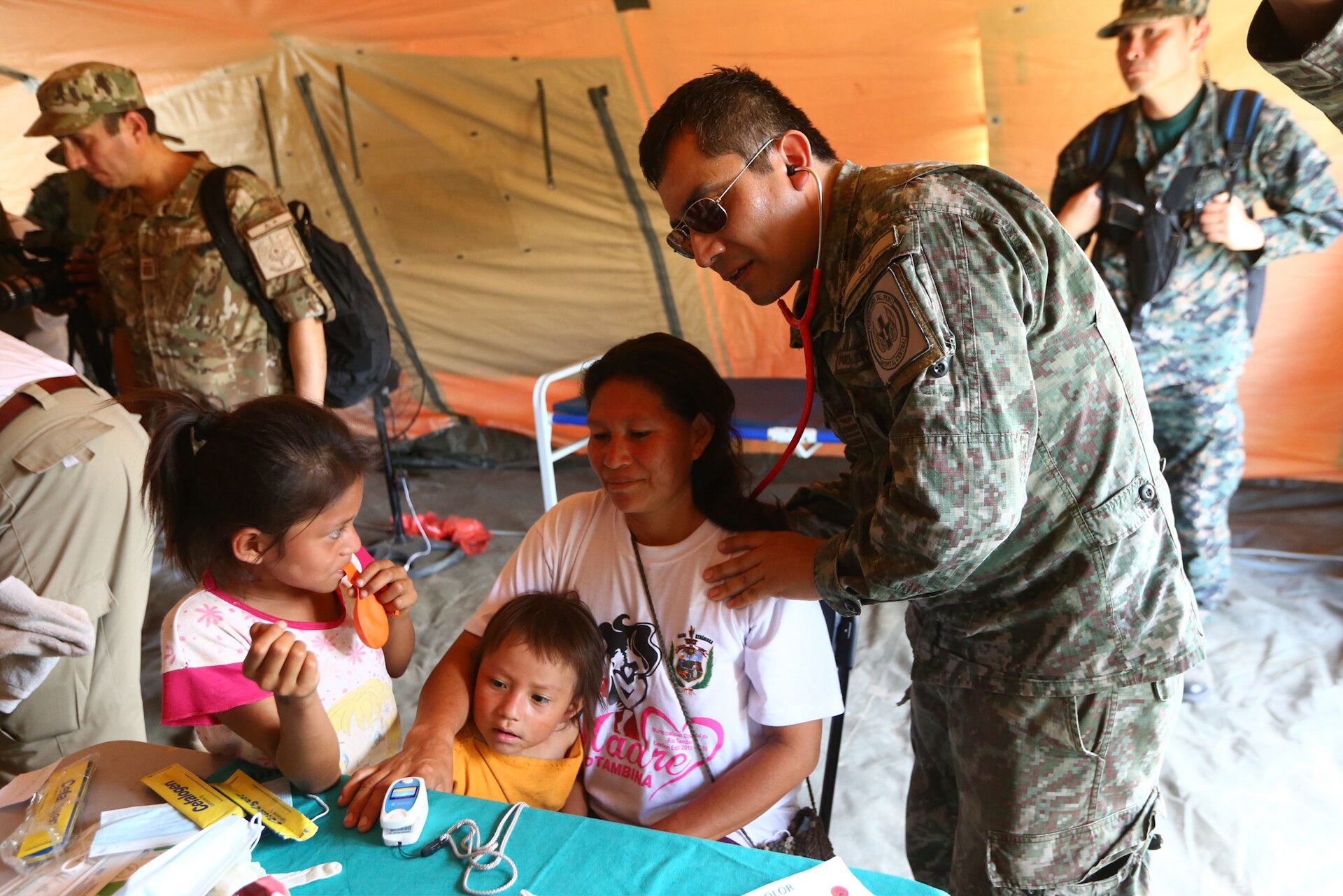
Peru’s health ministry has put hospitals and clinics nationwide on yellow alert for El Niño until 30 June 2027. A second alert covers six areas during the November visit of Chicago-born Pope Leo XIV.
Health Minister Luis Dyer signed the order on Tuesday, 6 October, and the ministry announced it on Wednesday, 7 October. For Americans heading to Peru for the papal visit or the rainy season, it shows the state expects pressure on health services.
What the Health Ministry Ordered
Ministerial Resolution 921-2026/MINSA sets the El Niño alert for all health facilities from the day it was issued. It replaces a nationwide alert for heavy rains, which the ministry ended and repealed in the same order.
The new El Niño alert covers two risks at once: intense rainfall and water shortages. The old one covered heavy rain only, the resolution says.
Under a 2004 ministry directive, a yellow alert applies when an adverse event is imminent or highly probable. Health units must then prepare for possible self-protection and relief work.
The resolution says scheduled appointments will not be suspended or postponed unless the feared events actually happen. The ministry’s disaster-risk directorate, known as Digerd, will supervise the measure through regional health offices.
The order was published in an extraordinary edition of El Peruano, the official gazette, the state news agency Andina reported. The ministry has also posted the signed text on its website.
Follow this story
Get an email when there’s news on Peru
Free. One email a day at most, and only when there is news. This also signs you up to our weekday newsletter, The LatAm Brief. Nothing arrives until you click the confirmation link, and you can stop either with one click. Privacy policy.
Why Peru Expects Rain and Drought Together
Digerd’s reports, cited in the resolution, say El Niño has already brought above-normal rainfall. Citing ENFEN, Peru’s multi-agency El Niño study commission, they describe a “dual and extraordinary” risk scenario.
ENFEN’s latest official statement, issued on Monday, 28 September, kept its coastal El Niño alert in place. It expects sea warming off Peru to stay of extraordinary magnitude until January 2027.
For October to December, ENFEN forecasts above-normal rain on the northern and central coast. The southern highlands and the Amazon should see normal to below-normal rain, with low river flows around Lake Titicaca.
Cenepred, the national disaster-risk planning agency, published its risk study for January to March 2027 on Wednesday. It found 702 districts in 22 departments at very high risk of landslides and mudslides.
Those districts are home to 8,695,261 people. In their most exposed zones, Cenepred counted 2,244 health facilities, 18,862 schools and 81 hydroelectric plants.
For floods, Cenepred lists 112 districts at very high risk. Their most exposed areas hold 3,571,687 residents and 638 health facilities, the agency said.
The Alert for Pope Leo XIV’s Visit
The second alert runs from 1 to 23 November in Cusco, Cajamarca, Lambayeque, Lima, Ucayali and the port province of Callao. The resolution cites mass travel and large crowds during the visit.
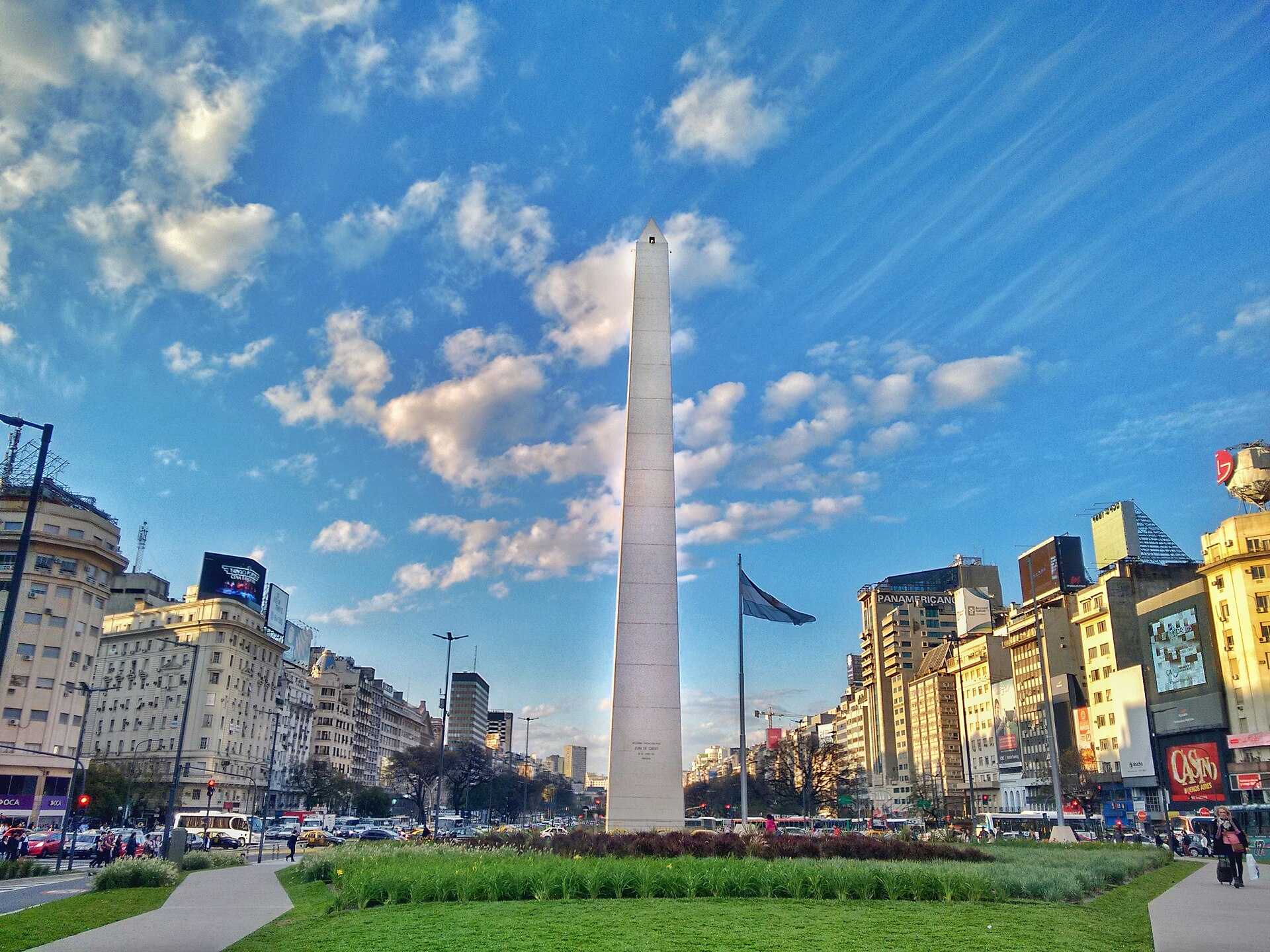
The pope lands in Lima from Buenos Aires on Wednesday, 11 November, according to the official programme of the Peruvian Episcopal Conference. He then visits Chiclayo, Santa Cruz de Succhabamba in Cajamarca, Cusco and Pucallpa in the Amazon.
He celebrates a final Mass at Las Palmas air base in Lima on Monday, 16 November, and flies to Rome that afternoon. The health alert thus starts ten days before he arrives and ends a week after he leaves.
The Vatican biography says Leo XIV was born Robert Francis Prevost in Chicago in 1955. He became a naturalised Peruvian in 2015 and was Bishop of Chiclayo until Pope Francis called him to Rome in 2023.
What It Means for You
US Catholics planning to follow the pope will find health facilities on standby in every area on his route. The order keeps routine services running, so scheduled care is not suspended.
Travellers visiting between December and March should watch forecasts for the northern and central coast. Mudslides, known locally as huaicos, can cut roads during heavy rain.
Before travelling, visitors can check warnings from SENAMHI, Peru’s national weather service. Americans can also register with the State Department’s Smart Traveler Enrollment Program.
What Is Not Known
The resolution does not say whether the El Niño alert comes with extra funding, staff or medical supplies. It also does not spell out how it applies to EsSalud, the social security health insurer, or to private clinics.
The new order does not give the date of the earlier rain alert it repeals. Where El Niño rains will hit hardest remains a forecast, not a certainty.
What Comes Next
ENFEN will publish its next official statement on Thursday, 15 October. Under the 2004 directive, a later alert for the same event and area cancels the earlier one.
The papal alert takes effect on Sunday, 1 November. A yellow alert is a preparedness step, not a declaration of a health emergency.
Frequently Asked Questions
What is a yellow health alert in Peru?
It applies when an adverse event is imminent or highly probable. Health facilities must prepare for possible emergency and relief work while normal care continues.
How long does the El Niño alert last?
It runs from 6 October 2026 until 30 June 2027. It covers both heavy rain and water shortages.
Which areas are on alert for Pope Leo XIV’s visit?
Cusco, Cajamarca, Lambayeque, Lima, Ucayali and Callao, from 1 to 23 November. The pope is due in Peru from 11 to 16 November.
Is Pope Leo XIV American?
Yes. The Vatican says he was born in Chicago in 1955, and he became a naturalised Peruvian citizen in 2015.
Will hospitals in Peru cancel appointments?
No. The resolution says scheduled care is not suspended or postponed unless the events behind the alert actually occur.
Sources: Ministry of Health of Peru, Resolution 921-2026/MINSA; Ministry of Health of Peru, press release, 7 October 2026; ENFEN, Official Statement 17-2026; Cenepred, summer 2027 rain risk study; Peruvian Episcopal Conference, official visit programme; Holy See, biography of Leo XIV; Andina; Andina (Cenepred); RPP (all accessed 8 October 2026).