By The Rio Times | Created at 2026-10-08 08:17:04 | Updated at 2026-10-08 10:02:03
2 hours ago
By The Rio Times | Created at 2026-10-08 08:17:04 | Updated at 2026-10-08 10:02:03
2 hours ago
PERU · CULTURAL HERITAGE
Key Facts
- —The country Peru, which has had a US pact against antiquities smuggling since 1997.
- —What happened Foreign Ministry handed 342 recovered pieces to Culture Ministry on 7 October.
- —The US link An 18th-century painting stolen in Puno was found in Santa Fe.
- —The players Foreign Minister Carlos Espá credited the FBI and US State Department.
- —The numbers 321 archaeological items, 19 documents, one book and one painting.
- —Still open When the painting was stolen and how it reached the gallery.
An 18th-century church painting found at a gallery in New Mexico was among the pieces formally returned to Peru’s Culture Ministry.
Peru’s Foreign Ministry formally handed 342 heritage pieces recovered from six countries to the Culture Ministry in Lima on Wednesday, 7 October. They include an 18th-century church painting stolen in the Andes and later found at a gallery in Santa Fe, New Mexico.
Foreign Minister Carlos Espá credited the FBI and the US State Department, among other foreign partners, with helping the recoveries. For US buyers, the case shows how Peru’s stolen-art alerts can trace works to American galleries.
What Was Handed Over in Lima
The ceremony took place at the Palacio de Torre Tagle, the colonial mansion that houses the Foreign Ministry in central Lima. Espá handed the heritage pieces to Culture Minister Alberto Beingolea at the third such ceremony this year.
Espá said it was the largest return of the year. The lot comprises 321 archaeological objects, 19 archival documents, one book and one historic painting, the Culture Ministry said.
The pieces came back from Germany, Argentina, Belgium, Brazil, the United States and the United Kingdom. Many were voluntary returns by private citizens, according to both ministries.
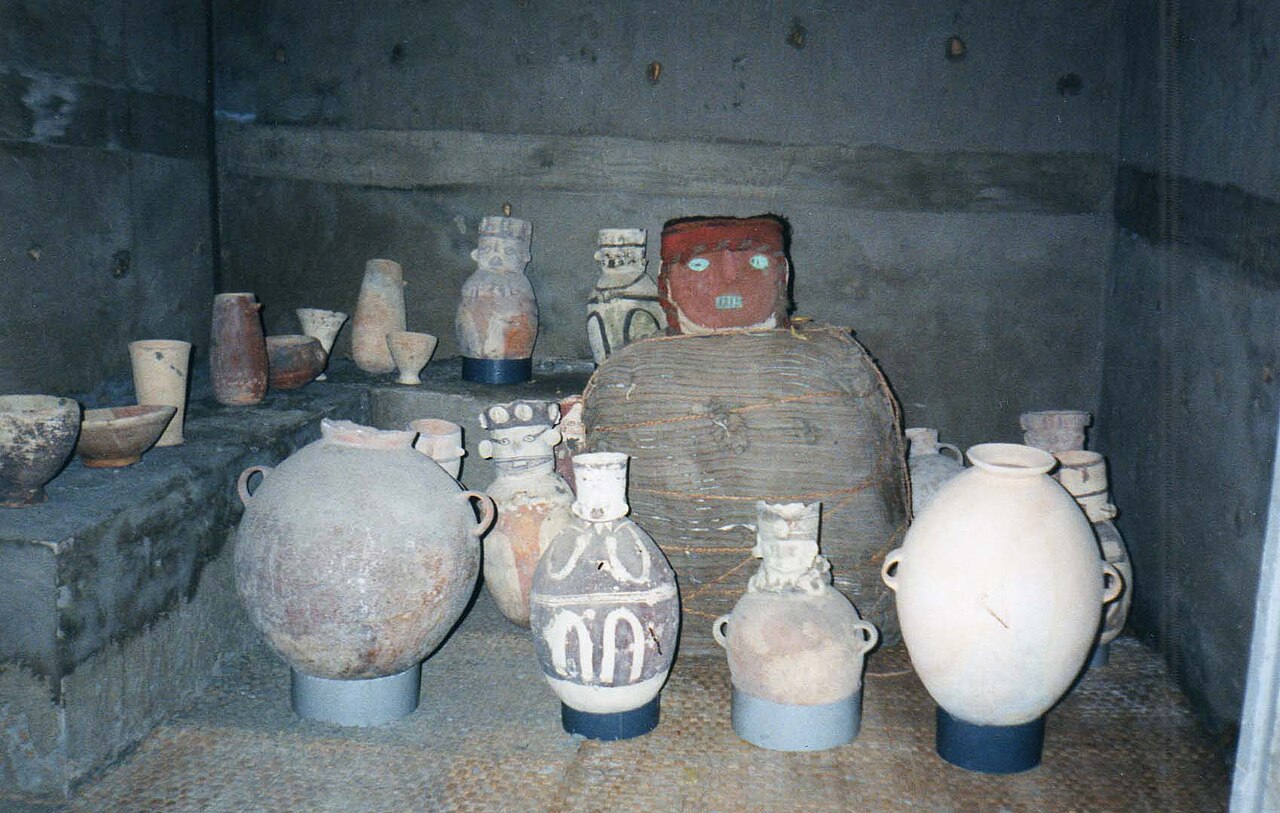
The largest single group, 268 archaeological objects, was returned voluntarily by a German citizen. It includes ceramics, textiles, stone and metal pieces from cultures such as Chancay, Moche, Paracas, Wari and Inca.
Nineteen folios with tax stamps from Huacho and Pativilca, dated 1866 to 1868, were recovered in Argentina with police help. A 1942 manuscript by Russian engineer Constantino Malinovsky, with 15 watercolours of pre-Columbian pottery, came back from Brazil.
Follow this story
Get an email when there’s news on Peru
Free. One email a day at most, and only when there is news. This also signs you up to our weekday newsletter, The LatAm Brief. Nothing arrives until you click the confirmation link, and you can stop either with one click. Privacy policy.
The Painting Found in Santa Fe
The painting, Tránsito de San José (The Death of Saint Joseph), dates from the 18th century, during Spanish colonial rule. It was stolen from the Church of Santa Cruz in Orurillo, a highland district of Melgar province in the Puno region.
According to the Culture Ministry, the work was on display for sale at the Peyton Wright Gallery in Santa Fe, New Mexico. The ministry said it was recovered with support from the Federal Bureau of Investigation (FBI).
An earlier ministry release, dated Saturday, 8 August, credited Peru’s online alert for stolen cultural property. That alert notified agencies fighting illicit trafficking, which made the recovery possible, the ministry said.
Beingolea said his ministry constantly monitors social media, where offers of such pieces often surface. He called the return “a new milestone” in strengthening Peru’s sovereignty over its cultural heritage.
A US Pact Dating to 1997
The United States and Peru signed a cultural property memorandum in June 1997, replaced by a broader agreement in 2023. Under it, US Customs and Border Protection restricts imports of designated Peruvian archaeological and colonial-era material, including church paintings.
The restrictions were last extended in June 2022 and now run through Wednesday, 9 June 2027, according to the Federal Register. The State Department’s Cultural Property Advisory Committee will review a proposed extension from Tuesday, 27 October.
Cooperation has produced a steady flow of returns this year. On Monday, 18 May, Peru received 281 pieces repatriated from the US, at a ceremony attended by US Ambassador Bernie Navarro.
The culture minister at the time said US-Peru cooperation had returned more than 3,800 pieces since 2018. On Monday, 14 September, Peru’s Foreign Ministry reported that the University of Illinois Urbana-Champaign’s Spurlock Museum had returned 201 pieces.
What It Means for You
For US galleries, auction houses and collectors, the Santa Fe case shows that works on Peru’s stolen-property alerts get traced. Buyers of Peruvian colonial or pre-Hispanic art should expect questions about provenance and export records.
For US museums, the Spurlock return shows institutions handing back Peruvian heritage pieces voluntarily. For visitors to Lima, the Culture Ministry plans a public exhibition of the returned pieces.
What Is Not Known
Neither ministry said when the painting was stolen from Orurillo or how it reached New Mexico. Neither ministry quoted the FBI or the Peyton Wright Gallery on the case.
The ministries did not say how many of the 342 pieces came from the US. The August verification listed two US items, the painting and a Chancay textile returned by a US citizen.
It is not known whether any legal case followed in the US. The opening date of the exhibition has not been announced.
What Comes Next
The Culture Ministry will now formally declare and register the heritage pieces, Beingolea said. After that, it plans a special exhibition at its headquarters in Lima, with no date set.
Espá said the Foreign Ministry will strengthen bilateral and multilateral tools against illicit trafficking. The handover is not a finding of wrongdoing by the gallery or any buyer.
Frequently Asked Questions
What did Peru receive on 7 October?
The Foreign Ministry handed 342 recovered heritage pieces to the Culture Ministry in Lima. They include 321 archaeological objects, 19 documents, a book and an 18th-century painting.
How is the United States involved?
An 18th-century painting stolen from a Puno church was found at a Santa Fe gallery and recovered with FBI support. The foreign minister also credited the US State Department.
Where was the painting stolen?
It was taken from the Church of Santa Cruz in Orurillo, in Melgar province of the Puno region. The ministries have not said when it was stolen.
Can Americans import Peruvian antiquities?
A US-Peru agreement dating to 1997 restricts US imports of designated Peruvian archaeological and colonial-era material. The restrictions currently run through 9 June 2027, and an extension is under review.
Will the public be able to see the pieces?
Yes. The Culture Ministry plans a special exhibition in Lima once the pieces are declared and registered as national heritage.
Sources: Ministry of Foreign Affairs of Peru, press release 224-26 (7 October 2026); Ministry of Culture of Peru (7 October 2026); Ministry of Culture of Peru, verification of 246 pieces (8 August 2026); Ministry of Foreign Affairs, 281 pieces from the US (18 May 2026); Ministry of Foreign Affairs, Spurlock Museum return (14 September 2026); Federal Register, extension of import restrictions on material from Peru (8 June 2022); Federal Register, amended Peru restrictions (13 September 2023); Federal Register, advisory committee notice (24 September 2026); Andina; Panamericana (all accessed 8 October 2026).