By The Rio Times | Created at 2026-06-12 09:08:49 | Updated at 2026-06-12 20:43:48
12 hours ago
By The Rio Times | Created at 2026-06-12 09:08:49 | Updated at 2026-06-12 20:43:48
12 hours ago
Peru · Politics
Key Facts
—A dead heat. With about 98 percent of ballots counted, the two candidates are split roughly 50 to 50, separated by under a thousand votes.
—No winner. Neither Keiko Fujimori nor Roberto Sanchez has been declared the victor, and election officials say no result is final yet.
—Recount. Public hearings to physically recount disputed ballots began Thursday in several regions across the country.
—The wild card. More than 1,600 contested tally sheets, mostly from Lima, are still being reviewed and could decide the outcome.
—When. Officials expect the official proclamation of a winner around the middle of July.
—Why it matters. The next president will govern Peru, a major copper producer, through 2031.
The Peru runoff has tipped into one of the closest finishes in the country’s modern history, and with a recount now under way, neither side can yet claim the presidency.
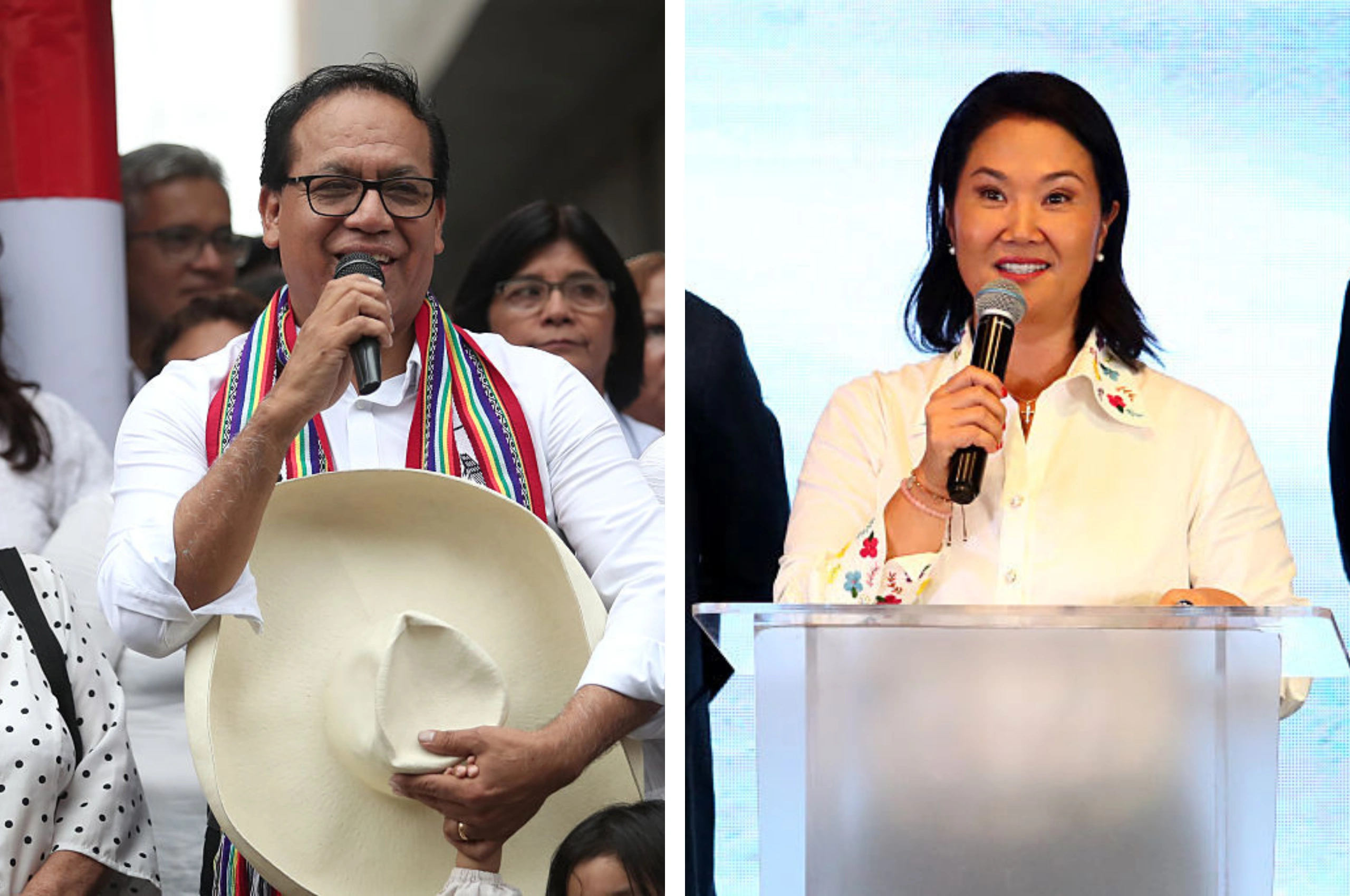
Peru is still waiting to learn who its next president will be. Four days after a runoff vote, the contest between Keiko Fujimori and Roberto Sanchez remains a statistical tie, and the count has now moved into a recount of disputed ballots.
With about 98 percent of tally sheets processed, the two are separated by fewer than a thousand votes. Election authorities stress that no winner has been declared and that the result is not yet final.
How close the Peru runoff really is
The numbers are extraordinary. Across recent official updates, each candidate has hovered around 50 percent of valid votes, with the gap swinging between roughly 500 and 900 ballots.
The lead has even changed hands. Earlier counts showed Sanchez narrowly ahead, while the most recent official tallies place Fujimori marginally in front.
For readers abroad, the two figures are well known in Peru. Fujimori leads the conservative Fuerza Popular party and is the daughter of a former president, while Sanchez heads the left-wing Juntos por el Peru.
The country was sharply split along regional lines. Sanchez drew his strongest support from the south, center, and north-east, while Fujimori led on the northern coast, in Lima, and in the lower jungle.
Turnout was also a talking point. More than seven million Peruvians stayed home in the first round despite voting being compulsory, a level of absenteeism that fed an already tense campaign.
What a recount actually involves
The decisive piece now is a batch of more than 1,600 contested tally sheets. These are records from individual polling tables that were flagged for errors or challenges and set aside from the running total.
Most of them come from Lima, the capital, with the rest spread across other regions and a small number from Peruvians voting abroad. Because they contain votes for both candidates, no one can predict which way they will tip the result.
Special electoral panels began public hearings on Thursday to settle them. Where a simple check cannot resolve a dispute, officials physically recount the paper ballots in front of party representatives and a prosecutor.
To build trust, the hearings are being streamed live online. Only once a panel clears a sheet are its votes added to the official count.
A tense wait, and one false alarm
The closeness has frayed nerves. On Thursday morning, an official elections website briefly displayed Fujimori as president-elect before the count was complete, prompting a quick correction.
The electoral board denied any irregularity and said the result still depends on the disputed sheets. The episode underlined how charged the atmosphere has become.
Both camps have urged calm. Fujimori has called for patience and said she sees no grounds to annul votes, while Sanchez’s party said it will respect the citizens’ verdict and reserved the right to file legal challenges.
Why investors are watching
The outcome carries real weight beyond Peru’s borders. The country is one of the world’s largest copper producers, a metal central to electric vehicles and the energy transition.
The two candidates also offer sharply different economic visions, from tax and mining policy to the role of the state. With the winner set to govern until 2031, the recount is being followed closely in capitals and boardrooms alike.
The runoff caps a long and crowded election. The first round in April drew 35 presidential candidates, with Fujimori and Sanchez edging out the rest to reach this head-to-head finale.
Frequently Asked Questions
Who won the Peru runoff?
No winner has been declared yet. The race between Keiko Fujimori and Roberto Sanchez is a statistical tie, separated by under a thousand votes, and the result remains open while disputed ballots are reviewed.
When will Peru know the result?
Election officials expect to proclaim an official winner around the middle of July. The timing depends on how quickly the contested tally sheets can be resolved through the recount hearings.
Why does the outcome matter to investors?
Peru is a leading copper producer, and the metal is vital for electric vehicles and clean energy. The two candidates hold very different economic plans, so the result will shape mining and tax policy through 2031.
The Rio Times · Power Map
See who really holds power in Latin America
Click to open the Power Map →