By The Rio Times | Created at 2026-06-19 18:51:51 | Updated at 2026-06-19 21:56:46
3 hours ago
By The Rio Times | Created at 2026-06-19 18:51:51 | Updated at 2026-06-19 21:56:46
3 hours ago
Politics & Markets · Andean
—The result. Peru’s June 7 runoff ended in a near dead heat, with Roberto Sánchez and Keiko Fujimori separated by a sliver of the vote.
—The march. On Friday, June 19, the trailing candidate Sánchez is leading a protest in Lima he calls a defence of the vote.
—The challenge. His campaign says it is reviewing 744 polling-station tallies and pressing legal complaints over the count.
—The stakes. Peru is the world’s third-largest copper producer, so political turmoil there ripples into global metal markets.
—The reassurance. Sánchez had pledged during the campaign to keep the long-serving central bank chief, a message aimed at calming investors.
—The pattern. A disputed, knife-edge result echoes Peru’s 2021 election, which took weeks of legal wrangling to settle.
The Peru election has tipped from a vote into a standoff, as the narrowly trailing candidate refuses to accept a razor-thin result and takes his fight to the streets of Lima.
A Peru election decided by a whisker
Peru held the second round of its presidential election on June 7, pitting the left’s Roberto Sánchez against the conservative Keiko Fujimori. The result was as close as an election can be, with the two candidates separated by a fraction of a percentage point once almost all the ballots were counted.
Fujimori finished narrowly ahead, leaving her on the verge of finally winning the presidency after three previous defeats. Sánchez, the runner-up by the thinnest of margins, has refused to treat the outcome as settled.
The lead had changed hands as the count progressed, with Sánchez edging in front late in the tabulation before slipping behind. That kind of see-saw, in a contest decided by a handful of votes, is exactly the soil in which disputes take root.
Sánchez takes the Peru election fight to the streets
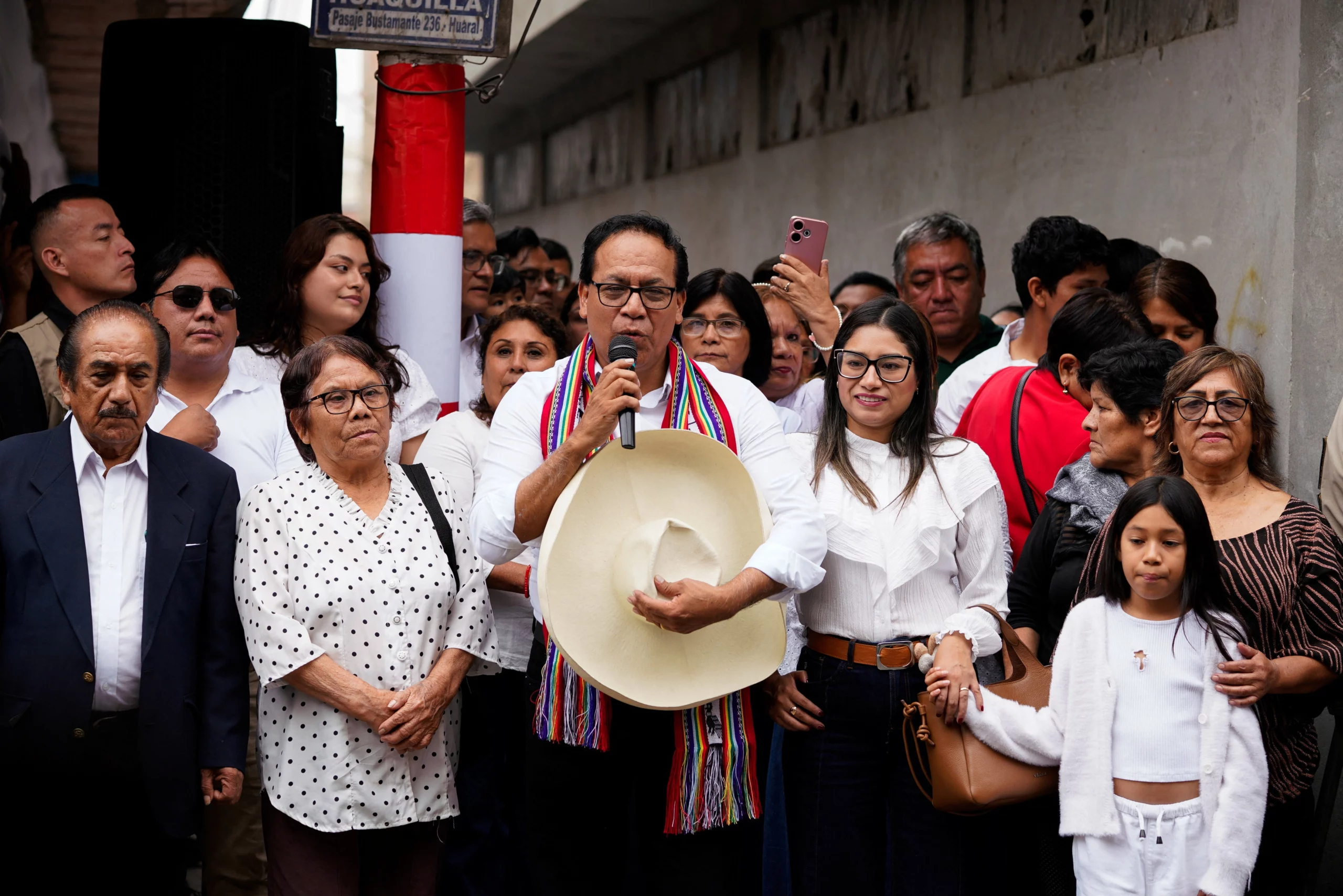
On Friday, June 19, Sánchez announced he would personally lead a march through Lima under the banner of what he calls electoral justice and the defence of the vote. He has urged supporters to gather in the capital and in main squares across the country.
His party says it will not accept a result it considers tainted by irregularities. Sánchez has framed the protest as a demand for full transparency and strict respect for the verdict of the ballot boxes.
Behind the rhetoric is a concrete legal effort. The campaign says it is prioritising a review of 744 polling-station tallies and is weighing further challenges, while also preparing a motion against the country’s foreign minister.
The dispute has deep roots. Sánchez built his coalition as the political vehicle of Pedro Castillo, the jailed former president serving a long sentence for a failed power grab in 2022.
Sánchez pledged during the campaign to pardon Castillo if he won, a promise that anchored his support in Peru’s poorer southern highlands. That base now supplies much of the energy behind the street protests.
Why investors are watching closely
For a foreign investor, the stakes reach well beyond Peruvian politics. Peru is the world’s third-largest producer of copper, the metal at the heart of the global electrification boom, so any prolonged instability there can unsettle metal markets far away.
The local currency, the sol, has moved with each twist of the count, and analysts have warned that a contested outcome keeps it volatile. The fear is a slow, drawn-out dispute that paralyses decision-making at a moment when the economy needs steady hands.
Sánchez tried to soften those concerns during the campaign, pledging to keep the respected long-serving head of the central bank in place. That promise was aimed squarely at reassuring markets that a government of the left would not upend the basic rules of the economy.
An echo of 2021
Peruvians have seen this film before. In 2021, Fujimori lost an equally narrow runoff and spent weeks contesting the result before the outcome was confirmed, a process that deepened the country’s political divisions.
This time the roles are reversed, with the left now crying foul, but the pattern is familiar. Peru has cycled through a string of presidents in recent years, and its institutions have grown used to surviving disputed votes and constant turmoil.
Whether the latest challenge changes the result or simply delays its confirmation, the episode underscores how fragile political stability remains in one of South America’s most important mining economies. The next president, whoever it is, will inherit a divided country and a watchful market.
Frequently Asked Questions
Who won the Peru election runoff?
The June 7 runoff between Keiko Fujimori and Roberto Sánchez ended in a near dead heat, with Fujimori narrowly ahead. The margin was so thin that Sánchez has refused to accept the result and is contesting the count.
Why is Sánchez marching in Lima?
He is leading a protest on June 19 that he calls a defence of the vote, demanding transparency in the count. His campaign is also reviewing hundreds of polling-station tallies and pursuing legal complaints.
Why does the Peru election matter to investors?
Peru is the world’s third-largest copper producer, so instability there can affect global metal supplies and prices. A contested result also keeps the local currency volatile and raises uncertainty for businesses operating in the country.
The Rio Times · Power Map
See who really holds power in Latin America
Click to open the Power Map →