By The Rio Times | Created at 2026-06-08 06:30:39 | Updated at 2026-06-08 12:53:12
6 hours ago
By The Rio Times | Created at 2026-06-08 06:30:39 | Updated at 2026-06-08 12:53:12
6 hours ago
Peru · Politics
Key Facts
—The result: Peru’s June 7 presidential runoff between Keiko Fujimori and Roberto Sánchez was too close to call, within the margin of error.
—The quick count: A full sample-based count by Ipsos for Transparencia put Sánchez at 50.3% and Fujimori at 49.7%, a statistical tie.
—The split: Fujimori dominated Lima and the coast; Sánchez led the rural regions and the Andean south.
—The timeline: The electoral board says a final official result may not come until mid-July, once all tally sheets are processed.
—The stake: The winner becomes Peru’s ninth president in a decade and sets the country’s economic direction.
The Peru election runoff ended on June 7 with no clear winner, as a sample-based quick count put leftist Roberto Sánchez marginally ahead of conservative Keiko Fujimori in a statistical tie, leaving the result to a weeks-long official count.
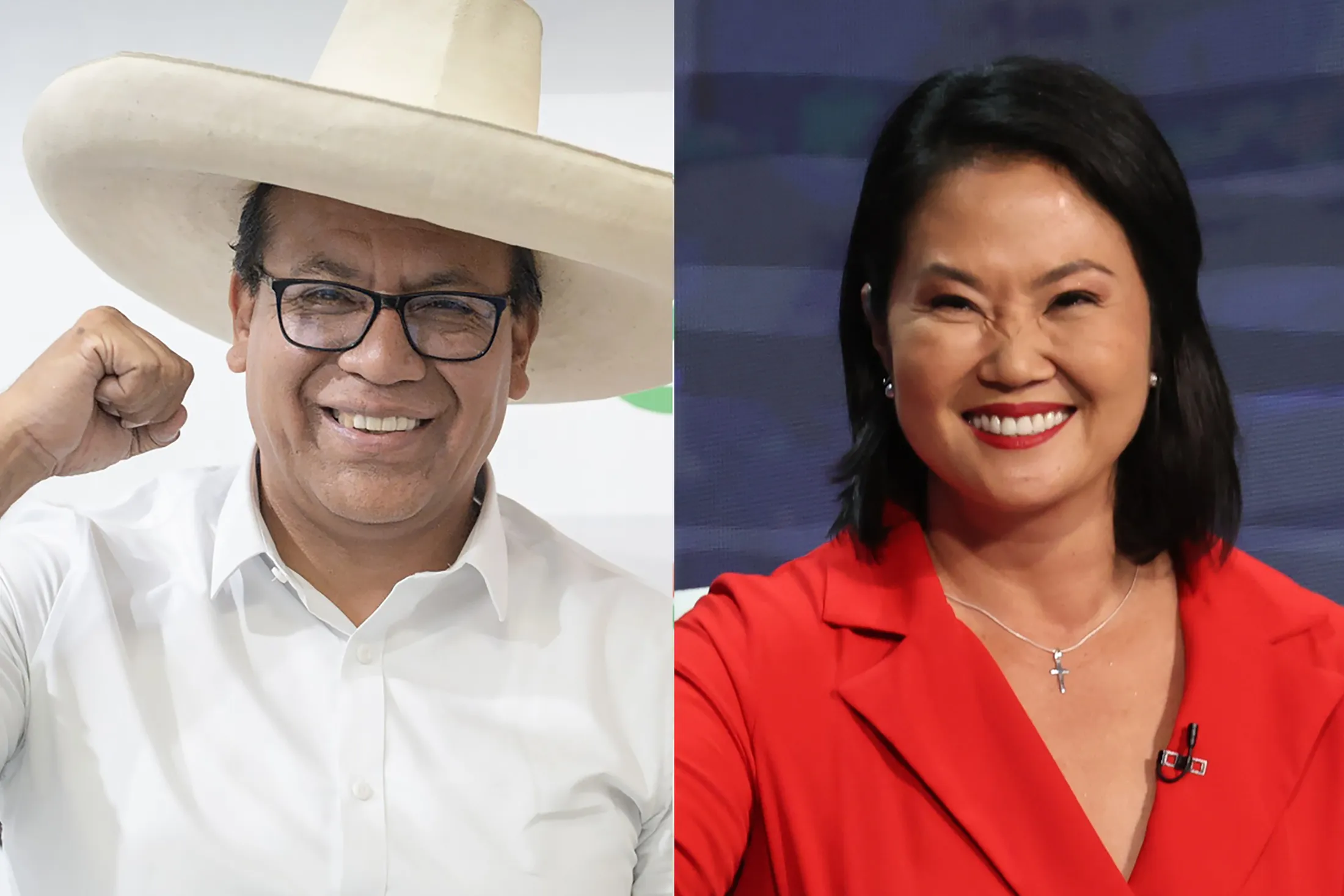
A Peru election too close to call
Peru’s presidential runoff produced no immediate winner on Sunday. The two campaigns and the country settled in for a long wait as the official tally began under intense scrutiny.
A full quick count, a projection based on a representative sample of polling stations, was carried out by the pollster Ipsos for the watchdog group Transparencia. It put Roberto Sánchez of Juntos por el Perú at 50.3% and Keiko Fujimori of Fuerza Popular at 49.7%.
With a margin of error of about one point, that gap is too narrow to separate the candidates. A separate exit poll earlier in the day had shown the reverse, with Fujimori fractionally ahead, underscoring how tight the contest is.
Voting itself passed off smoothly, according to election observers and the authorities. That was a relief after the first round in April, when delays in delivering ballots forced an extra day of voting and held up results.
What the official count shows so far
Peru’s electoral authority, the ONPE, began publishing its official count on Sunday evening. Early partial results showed Fujimori ahead, but officials and analysts cautioned against reading too much into them.
The reason is the order in which votes are processed. Tally sheets from Lima and other cities, where Fujimori is strong, tend to be digitised first, while results from rural areas favouring Sánchez arrive more slowly.
Because of that pattern, an early official lead is expected to narrow as the count broadens. The quick count, which samples across the whole country at once, is generally treated as the more reliable early signal.
Fujimori urged patience, saying there was no winner yet and that “these will be long days.” She added that her side would recognise the outcome whatever it turned out to be.
Sánchez’s camp likewise pointed to the quick count as grounds for cautious optimism while awaiting the official tally. Both sides signalled they would wait for the formal process to run its course.
Two electorates, two countries
The numbers describe a nation split along stark geographic lines. In the quick count, Fujimori took roughly 64% in Lima while Sánchez won about 57% across the regions, an almost mirror-image divide.
Fujimori’s strength lies in the capital and along the coast, among more urban and middle-class voters. Sánchez drew his support from the rural Andean south and poorer areas long frustrated by inequality.
That pattern echoes the 2021 runoff, when the rural-backed Pedro Castillo narrowly beat Fujimori. Sánchez, a former trade minister under Castillo, has sought to inherit that coalition.
Crime dominated the campaign on both sides. Soaring homicide and extortion have fuelled public anger, and each candidate pitched a different answer to a wave of insecurity that voters rank as their top concern.
More than 70% of voters had backed neither candidate in the first round, so both spent the short runoff campaign trying to assemble broader coalitions. Many Peruvians described their choice as picking the lesser of two unappealing options.
Why the result matters beyond Peru
The outcome carries weight across the region. A Sánchez victory would interrupt a recent rightward trend in South America, after right-leaning wins in Chile, Argentina, Ecuador and elsewhere.
The candidates offer contrasting economic visions. Fujimori favours private investment and macroeconomic continuity, while Sánchez argues for a larger state role and more spending to reduce inequality.
For markets, the stakes centre on mining. Peru is one of the world’s largest copper producers, and the China-facing port at Chancay has reshaped its export map, giving whoever wins limited room to alter the underlying model.
Underlying it all is a fragile state. The winner becomes Peru’s ninth leader in a decade, and the central worry is whether a victor from such a close vote can govern with enough legitimacy to break the cycle.
A wafer-thin margin tends to invite disputes. After years of contested results and fraud claims from losing camps, the conduct of the count itself will shape how readily the outcome is accepted.
For background, see our deep analysis of the runoff and our Peru elections 2026 guide.
Frequently Asked Questions
Who won the Peru election runoff?
No winner had been confirmed. The June 7 runoff between Keiko Fujimori and Roberto Sánchez was a statistical tie, and the official result is pending.
What did the quick count show?
A full quick count by Ipsos for Transparencia put Roberto Sánchez at 50.3% and Keiko Fujimori at 49.7%, within the margin of error, meaning it could not separate them.
When will the official result be known?
Peru’s electoral bodies have said a final official result may not come until mid-July, after all tally sheets are processed and any challenges are resolved.
Why is the vote so divided?
Support split sharply by geography: Fujimori led in Lima and the coast, while Sánchez dominated the rural Andean regions, reflecting deep urban-rural and economic divides.