By The Rio Times | Created at 2026-10-06 18:32:02 | Updated at 2026-10-06 20:44:51
2 hours ago
By The Rio Times | Created at 2026-10-06 18:32:02 | Updated at 2026-10-06 20:44:51
2 hours ago
PERU · JUSTICE
Key Facts
- —The country Peru, a country of about 34 million people on South America’s Pacific coast, grows coca, the leaf used to make cocaine.
- —What happened A three-judge court in Juliaca, in southern Peru, sentenced four Puno police officers to 15 years, Correo reported on Monday 5 October.
- —The crime Prosecutors said the officers staged a fake check in May 2024, kept 80 packages of cocaine and took S/800 (about US$230).
- —The penalty A fifth officer, who confessed, got 12 years and 10 months. The court ordered S/40,000 (about US$11,600) in damages to the state.
- —Why it matters The US State Department calls Peru the world’s second-largest cocaine producer and lists Puno among its main coca-growing regions.
- —What it means for you Puno, Peru’s gateway to Lake Titicaca, is not among the US State Department’s do-not-travel areas in Peru.
- —Still open The ruling is a first-instance verdict and can be appealed. No buyer for the hidden cocaine has been publicly named.
A court in Peru has sentenced four Puno police officers to 15 years in prison for keeping 80 packages of cocaine they had intercepted. The three judges in Juliaca ruled unanimously, Correo reported on Monday 5 October.
Peru is the world’s second-largest cocaine producer after Colombia, and the United States is its main anti-drug partner, the US State Department says. A fifth officer, who confessed, received 12 years and 10 months.
What the Court Decided
The ruling came from the Juzgado Penal Colegiado Supraprovincial de San Román, a three-judge criminal court in Juliaca, Puno’s main commercial city. Judges Eloy Huaranca Rodríguez, Luis Charaja Cruz and Carlos Arias Arenas sat on the panel, ForoTV reported.
They convicted the Puno police officers of illicit drug trafficking through “arranche”, the Peruvian term for snatching, aggravated by their police role. The verdict was unanimous, Correo reported.
Four officers received 15 years in prison, RPP reported. Their prison terms run until 2039 or 2040, according to the individual calculation of each sentence.
A fifth member of the group confessed and was sentenced to 12 years and 10 months. The court also ordered S/40,000 (about US$11,600) in civil damages to the Peruvian state.
All figures in US dollars use a rate of about 3.44 soles to the US dollar on 6 October 2026. This is a first-instance verdict, which the defence can still challenge before a higher court.
Follow this story
Get an email when there’s news on Peru
Free. One email a day at most, and only when there is news. This also signs you up to our weekday newsletter, The LatAm Brief. Nothing arrives until you click the confirmation link, and you can stop either with one click. Privacy policy.
How the Officers Took the Drugs
The case goes back to 17 May 2024. Officers from the rapid-response post in Sina, a highland district of Puno, spotted drugs being moved in an SUV, according to Correo.
Correo named the officers from the Sina post. They were Alfredo Madueño Herrera, 65, Gavino Ortiz de Orue Cárdenas, 54, Sammer Mamani Velásquez, 30, and Eddy del Carpio Parque, 30.
A fifth officer, surnamed Quispe, from the police station in Ananea, another Puno district, was with them that day, according to the trial reports.
Prosecutors said the officers staged a fake police operation to stop the vehicle, which was heading for the Bolivian border by way of Huancané. They stopped three motorcycles and the SUV, and found two sacks holding 80 packages of cocaine hydrochloride, the refined powder.
Instead of reporting the find, the Puno police officers negotiated with the people they had stopped, prosecutors said. They kept the cocaine and took mobile phones and S/800 (about US$230) to let the people go, RPP reported.
The drugs were then hidden outside Sina, to be handed over later to a buyer, according to the prosecution’s case reported by Correo and RPP.
How the Case Was Uncovered
Ten days later, on Monday 27 May 2024, Juliaca’s anti-drug prosecutors and police arrested four officers in the case, Correo reported. Ortiz de Orue was then the station commander in Sina.
Investigators had found a key witness and gathered evidence before asking a judge for preliminary arrest orders, Correo said. Mamani Velásquez was still being sought when the others were detained.
The Puno police officers were later sent to prison under pretrial detention, according to Correo and RPP.
Why Puno Matters in the Cocaine Trade
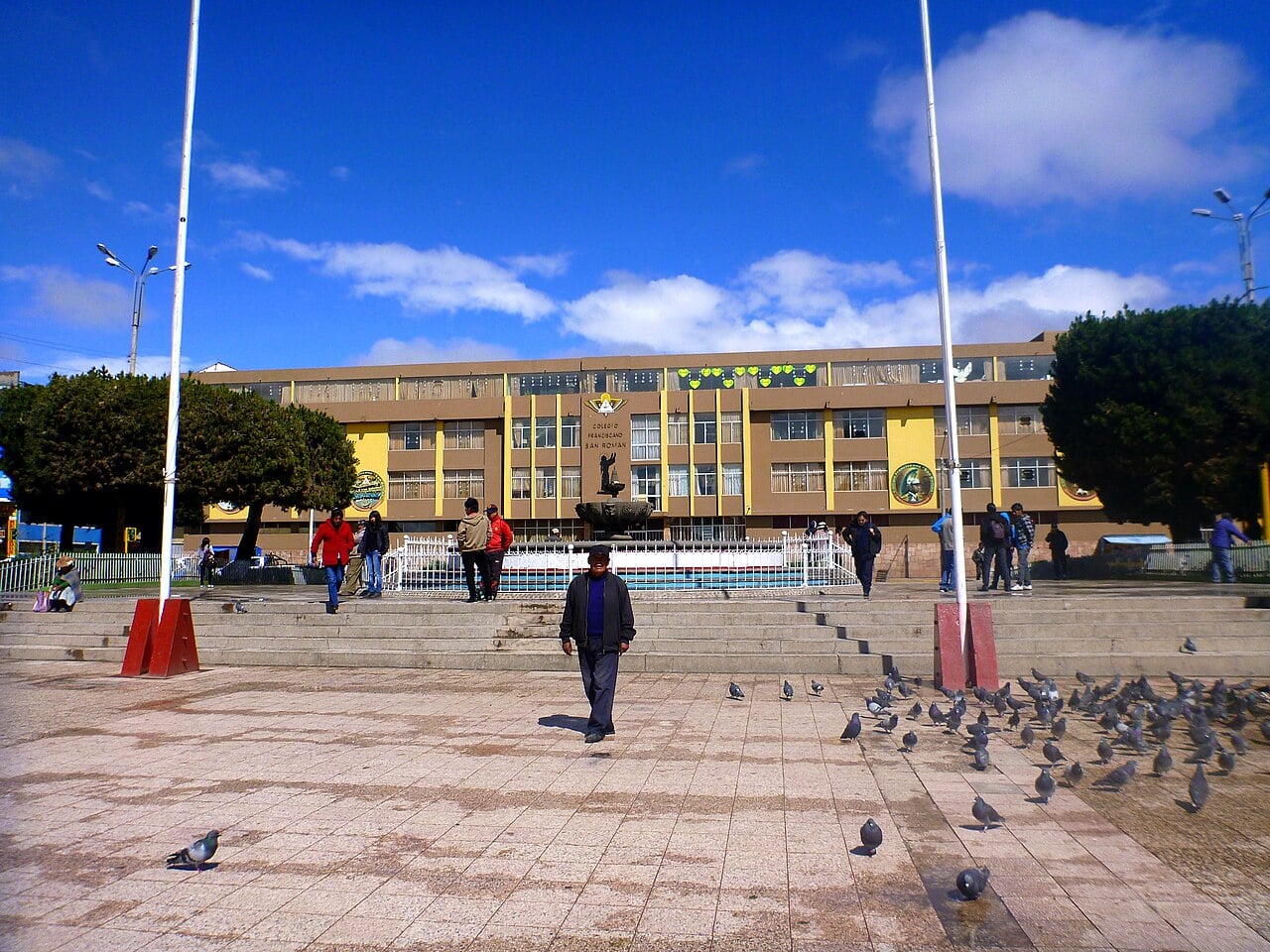
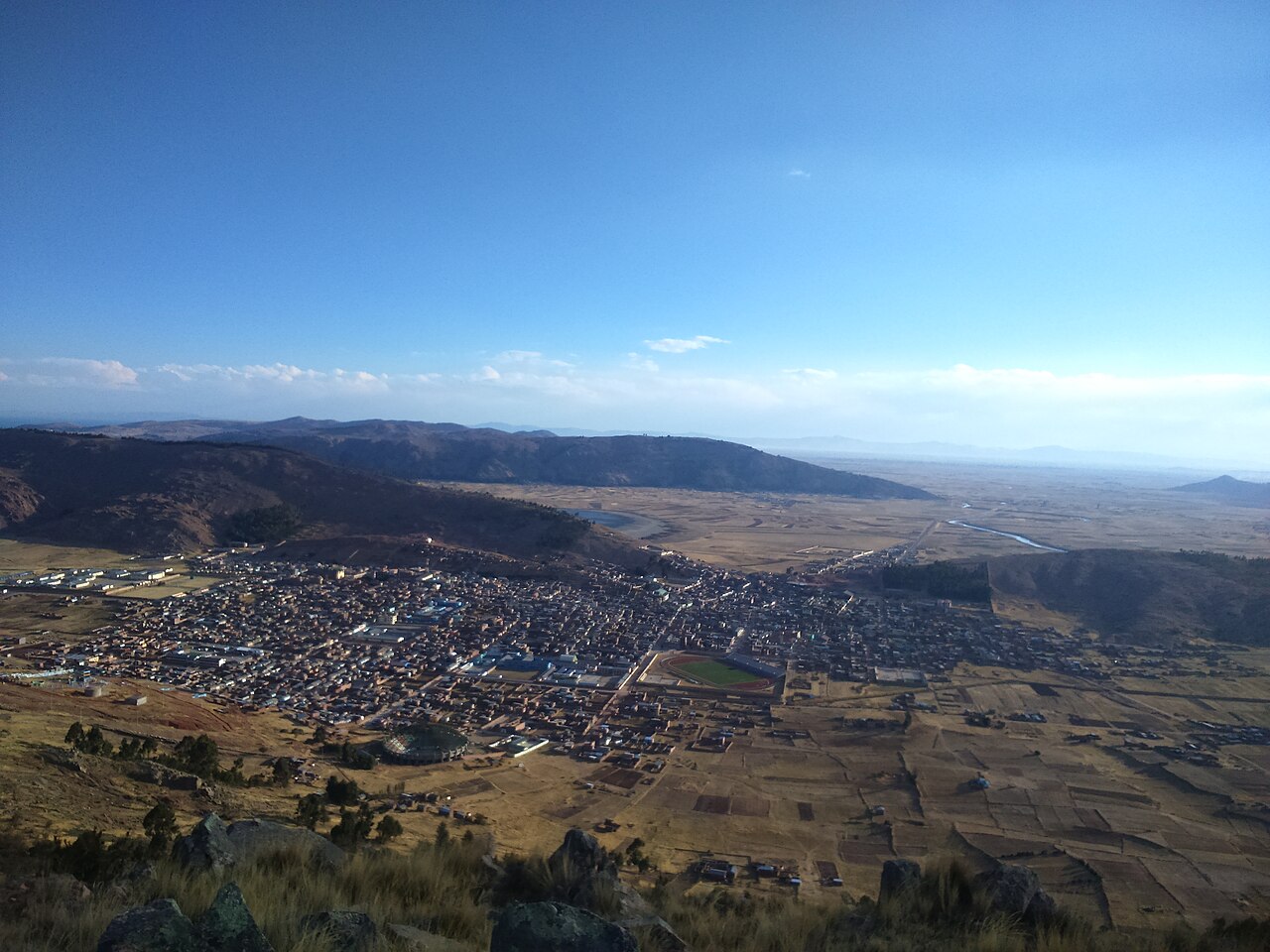
Puno is a high-altitude region in south-eastern Peru, on the shores of Lake Titicaca and along the border with Bolivia. The US State Department lists it among Peru’s main coca-growing regions, alongside Loreto and Ucayali in the Amazon.
The department’s March 2025 drug-control report says the United States trained 1,459 Peruvian police officers in 2024. It says Peruvian cocaine is shipped to East Asia, Mexico, Europe and the United States.
The same report says weak law enforcement, a dysfunctional judiciary and low public-sector pay enable pervasive corruption in Peru.
Peru’s anti-drug agency, the National Commission for Development and Life without Drugs (Devida), says the country grew 84,546 hectares of coca in 2025. That is about 209,000 acres, and 5.8% less than a year earlier.
Devida measures the crop with technical support from the UN Office on Drugs and Crime. It said Puno cut its coca area by 1,124 hectares in 2025.
Smaller crops do not end the trade, and the Puno case shows another weak point. Drug enforcement depends on officers who hand over what they find.
For wider context on the force, see why Peru’s national police chief quit in September.
What It Means for You
For travellers, Puno is the main Peruvian base for visiting Lake Titicaca and its floating islands. The case of the Puno police concerns a remote district, not crimes against tourists.
The US State Department’s Peru advisory, dated 4 September 2026, is at Level 2, “exercise increased caution”. Its do-not-travel areas do not include Puno, though it warns that altitude sickness is a serious concern around Lake Titicaca.
For background on the region’s visitors, see why Puno is missing out on the Lake Titicaca tourism boom.
For readers following the US-backed fight against cocaine, the verdict shows a Peruvian court punishing officers who hid drugs for a buyer. A seizure only counts when the drugs actually leave circulation.
The convicted men keep the presumption of innocence on any appeal until the verdict becomes final. Damages to the state are payable once the sentence is confirmed, RPP reported.
What Is Not Known
It is not known whether the five Puno police officers will appeal, or when a higher court might hear the case. Local reports have not said which of them confessed.
No buyer for the hidden cocaine has been publicly named. The trial reports also do not say whether the 80 packages were ever recovered.
More: Peru news in English, every day from The Rio Times.
Frequently Asked Questions
What did the Puno police officers do?
Prosecutors said that on 17 May 2024 the officers staged a fake check, found 80 packages of cocaine and kept them. They also took phones and S/800 (about US$230) and hid the drugs for a buyer.
How long were the officers sentenced to?
Four Puno police officers received 15 years in prison. A fifth, who confessed, received 12 years and 10 months, and the court ordered S/40,000 (about US$11,600) in damages.
Is the verdict final?
No. It is a first-instance ruling by a three-judge court in Juliaca, and it can be appealed to a higher court.
Is Puno safe for tourists?
The case involves police corruption in drug enforcement in a remote district, not attacks on visitors. The US State Department rates Peru at Level 2, exercise increased caution, and its do-not-travel areas do not include Puno.
Why does this case matter to the United States?
Peru is the world’s second-largest cocaine producer after Colombia, and the United States is its main anti-drug partner, according to the US State Department. Washington says Peruvian cocaine is shipped to the United States, Mexico, Europe and East Asia.
Sources: Diario Correo (Puno): court sentences four police officers over cocaine ‘arranche’, 5 October 2026; RPP: Puno police officers sentenced to 15 years for keeping drug packages, 6 October 2026; Diario Sin Fronteras (Puno): four police officers sentenced to 15 years, 6 October 2026; ForoTV (Puno): judges’ names and verdict, 6 October 2026; Diario Correo (Puno): four officers arrested over 80 packages of cocaine, 27 May 2024; US Department of State: 2025 International Narcotics Control Strategy Report, Volume I (Peru chapter), March 2025; US Department of State: Peru Travel Advisory, 4 September 2026; Devida (Peru’s anti-drug agency): 2025 coca crop monitoring, 17 July 2026.
Editorial responsibility: Matthias Camenzind, Editor-in-Chief · Editorial standards · Report an error
The Rio Times · Power Map
See who really holds power in Latin America
Click to open the Power Map →