By The Rio Times | Created at 2026-09-15 08:11:52 | Updated at 2026-09-15 10:07:35
2 hours ago
By The Rio Times | Created at 2026-09-15 08:11:52 | Updated at 2026-09-15 10:07:35
2 hours ago
PERU · TRAVEL
Key Facts
- —What is a travel advisory A rating the US State Department assigns to each country, from Level 1 to Level 4, telling Americans how much caution to use.
- —Where Peru stands Level 2, exercise increased caution. Unchanged.
- —When it was last issued 4 September 2026. It did not raise the country level.
- —What about Cusco The advisory says explicitly that Cusco and the tourist sites near it are not in the affected area.
- —Which areas are Level 4 The Loreto border region, the VRAEM valley, and the Abancay, Ayacucho, Huancavelica and Huancayo areas.
- —A source to avoid OSAC hosts an archived Level 3 notice. It is out of date and should not be cited.
Reports this week said Washington raised its warning on Peru. It did not, and it named Cusco as an exception.
One-stop reference
Company Intelligence
Every listed company in Latin America — financials, ownership and structure for 1,450+ companies across 26 exchanges, in one place.
The United States travel advisory for Peru remains at Level 2, exercise increased caution. It was reissued on 4 September 2026 and the level did not change. The advisory explicitly excludes Cusco from the areas it warns about.
What the Advisory Says
Peru is rated Level 2 on the State Department’s four-point scale. That is the second-lowest rating and applies to much of Europe.
The advisory was reissued on 4 September 2026. A reissue is a routine republication and does not by itself indicate a change.
The country level did not move. Reports describing a raised warning for Peru describe something that did not happen.
Within the country, specific regions carry higher ratings, which is standard practice for large countries.
Cusco Is Named as an Exception
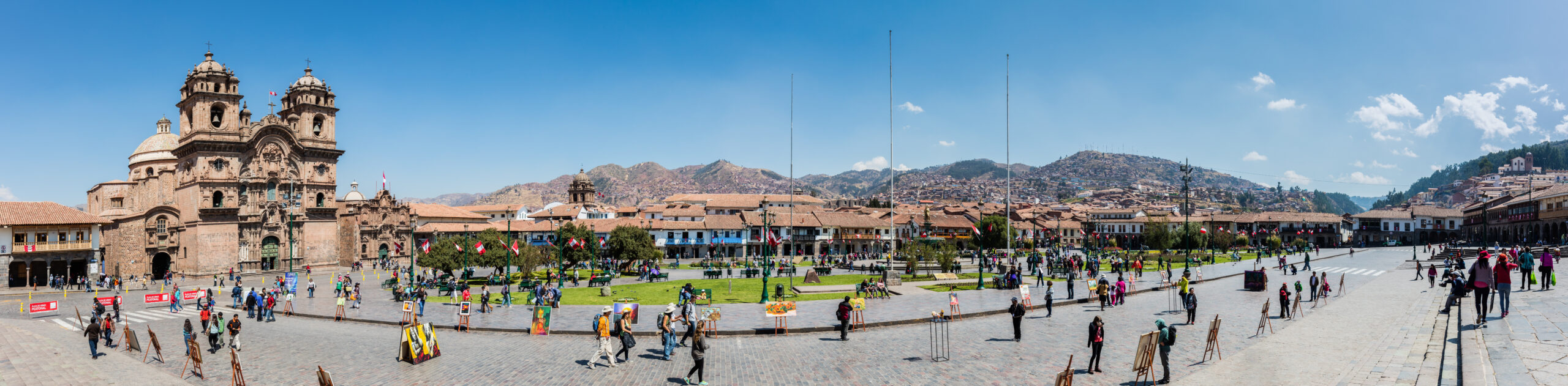
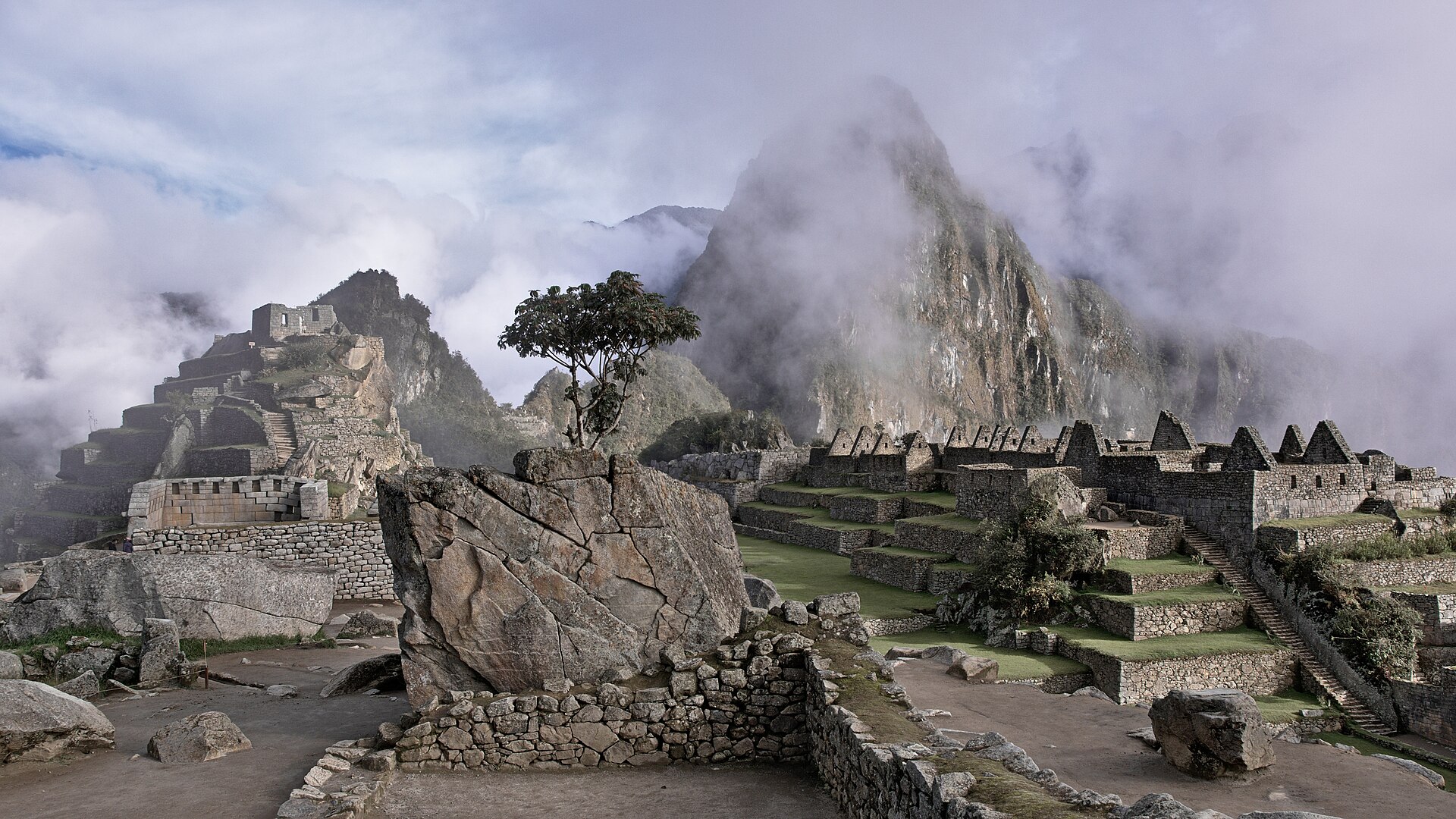
The advisory text states that the City of Cusco and popular tourist sites nearby are not located in the affected area.
That is unusual. The State Department rarely names a destination to exclude it.
The wording covers the Sacred Valley and the approaches to Machu Picchu, which sit within the same corridor.
For anyone planning the standard Peru itinerary, the advisory says the opposite of what has been reported.
Where the Level 4 Areas Are
The Colombian border area of Loreto region carries Level 4, do not travel.
So does the VRAEM, the valley of the Apurímac, Ene and Mantaro rivers. Coca production and remnants of the Shining Path persist there.
Level 4 also applies to the Abancay, Ayacucho, Huancavelica and Huancayo areas.
None of these is on a standard tourist route. Reaching them requires deliberate travel away from the main corridors.
The Stale Source Problem
OSAC, the State Department’s Overseas Security Advisory Council, hosts an archived Level 3 notice for Peru.
Archived documents remain online and are indexed by search engines. They carry no date warning on the page itself.
That archive appears to be the origin of this week’s reports.
The authoritative source is travel.state.gov, which carries the current advisory and the date it was issued.
How to Read a Travel Advisory
Level 1 is exercise normal precautions. Level 2 is exercise increased caution. Level 3 is reconsider travel. Level 4 is do not travel.
Most of Latin America sits at Level 2 or Level 3. Regional variation within a country matters more than the headline number.
Travel insurance policies sometimes reference advisory levels, which is the practical reason the rating matters to a traveller.
The United Kingdom, Canada and Australia publish their own advisories, and they do not always agree with Washington.
What Peru Looks Like on the Ground
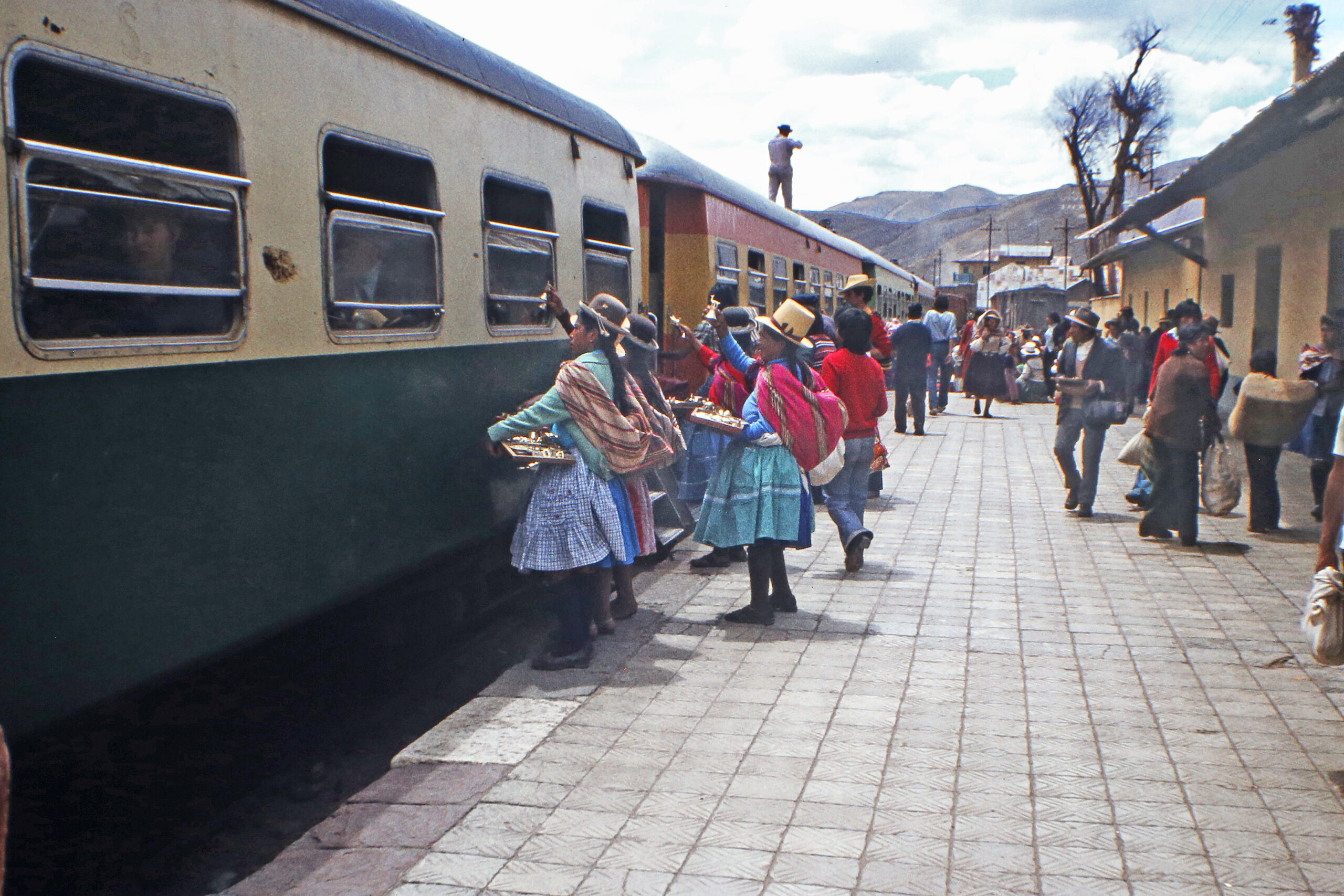
Cusco, the Sacred Valley and Machu Picchu operate normally and receive the great majority of Peru’s visitors.
Lima has the petty crime profile of a large Latin American capital, concentrated away from Miraflores and Barranco.
Peru has had periods of political protest that disrupted rail and road access to Cusco, most recently in 2023.
Nothing comparable is under way now.
What to Watch
The advisory page at travel.state.gov, which carries the issue date at the top.
Peruvian rail operators, which announce service changes for the Machu Picchu route directly.
Any change to the VRAEM designation, which has been stable for years.
And the date on any advisory you are shown. That is the field that settles the question.
More: Travel coverage, every day from The Rio Times.
Frequently Asked Questions
Did the US raise its travel warning for Peru?
No. Peru remains at Level 2, exercise increased caution, reissued on 4 September 2026.
Is Cusco covered by the warning?
No. The advisory states that the City of Cusco and popular tourist sites nearby are not in the affected area.
Which parts of Peru are Level 4?
The Loreto border area, the VRAEM, and the Abancay, Ayacucho, Huancavelica and Huancayo areas.
Why do some sources say Level 3?
OSAC hosts an archived Level 3 notice that is no longer current. It should not be cited.
Where is the authoritative source?
travel.state.gov, which shows the current advisory and its issue date.
Is Machu Picchu affected?
No. It sits within the Cusco corridor that the advisory explicitly excludes.
Sources: US Department of State (travel.state.gov), Bureau of Consular Affairs, OSAC archive, Ministerio de Comercio Exterior y Turismo del Perú.