By South China Morning Post | Created at 2026-06-16 09:09:38 | Updated at 2026-06-16 11:13:20
2 hours ago
By South China Morning Post | Created at 2026-06-16 09:09:38 | Updated at 2026-06-16 11:13:20
2 hours ago
When the ground tore open beneath
the Philippines last week, Roldan Dante was working in a nearby town. By the time he could return, his home in Glan, Sarangani province, had collapsed. His wife and two young children were gone.
“If only I had known this was going to happen, I would have picked them up,” he told This Week in Asia, as social workers pressed government cash aid into his hands.
“I feel traumatised. I’m in shock and I still can’t accept what happened.”
Dante’s loss speaks to the sheer destructive power of a magnitude 7.8 earthquake that killed at least 68 people. Yet that human toll also exposes the accumulated cost of decades of weak enforcement, political inaction and a society that has not yet made safety a reflex.
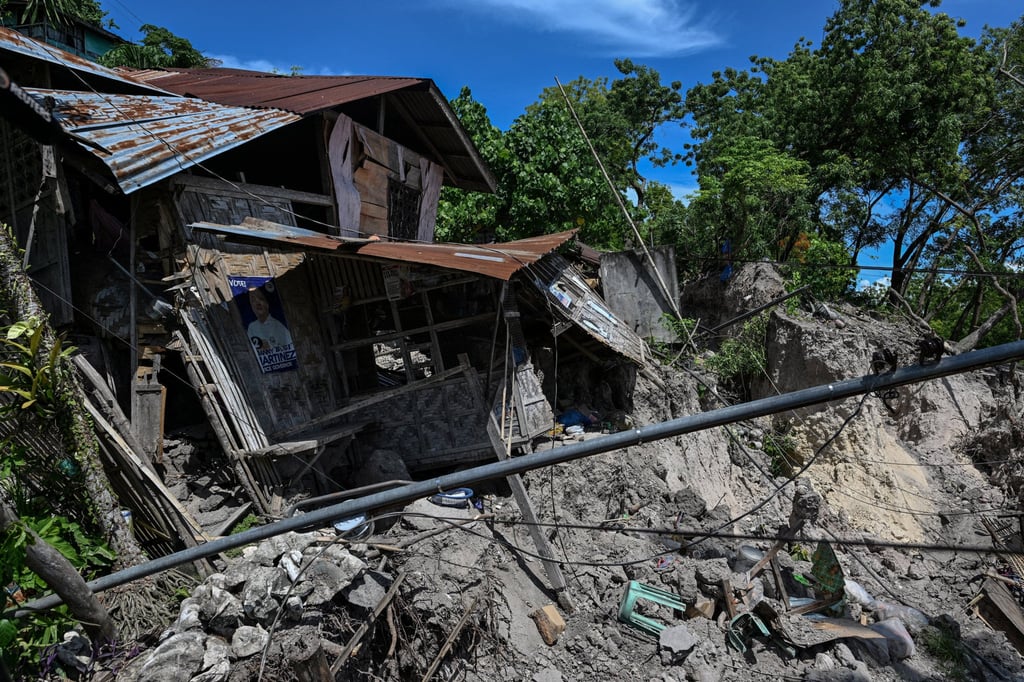
Nearly 68,000 homes were damaged or destroyed when the quake hit southern Mindanao on June 8. More than 1,300 people were injured and 33 are still missing.
The tremor triggered tsunami warnings along the southern coast and in neighbouring countries, as it crumpled schools and government buildings in General Santos, the largest and most populous affected city.