By The Rio Times | Created at 2026-08-14 17:31:52 | Updated at 2026-08-14 19:17:46
2 hours ago
By The Rio Times | Created at 2026-08-14 17:31:52 | Updated at 2026-08-14 19:17:46
2 hours ago
Brazil · Justice
Key Facts
- —The operation Federal Police launched Operacao Arena on August 13, 2026, targeting a betting group centered on Pixbet.
- —The allegation Investigators say 549 tax IDs of deceased people were used to create false identities for illegal currency operations.
- —The money trail A court authorized freezing up to R$1.1 billion (about US$212 million) in assets linked to the group.
- —The scale Tax authorities flagged more than R$2 billion (about US$385 million) in suspicious transactions between 2022 and 2025.
- —The response Pixbet’s defense said it was caught by surprise and had not yet seen the court order.
A federal court has authorized freezing up to R$1.1 billion (about US$212 million) in assets tied to the betting group.
One-stop reference
Company Intelligence
Every listed company in Latin America — financials, ownership and structure for 1,450+ companies across 26 exchanges, in one place.
Pixbet, one of Brazil’s biggest betting brands. Stands accused of using the tax IDs of 549 dead people to disguise illegal money transfers abroad.
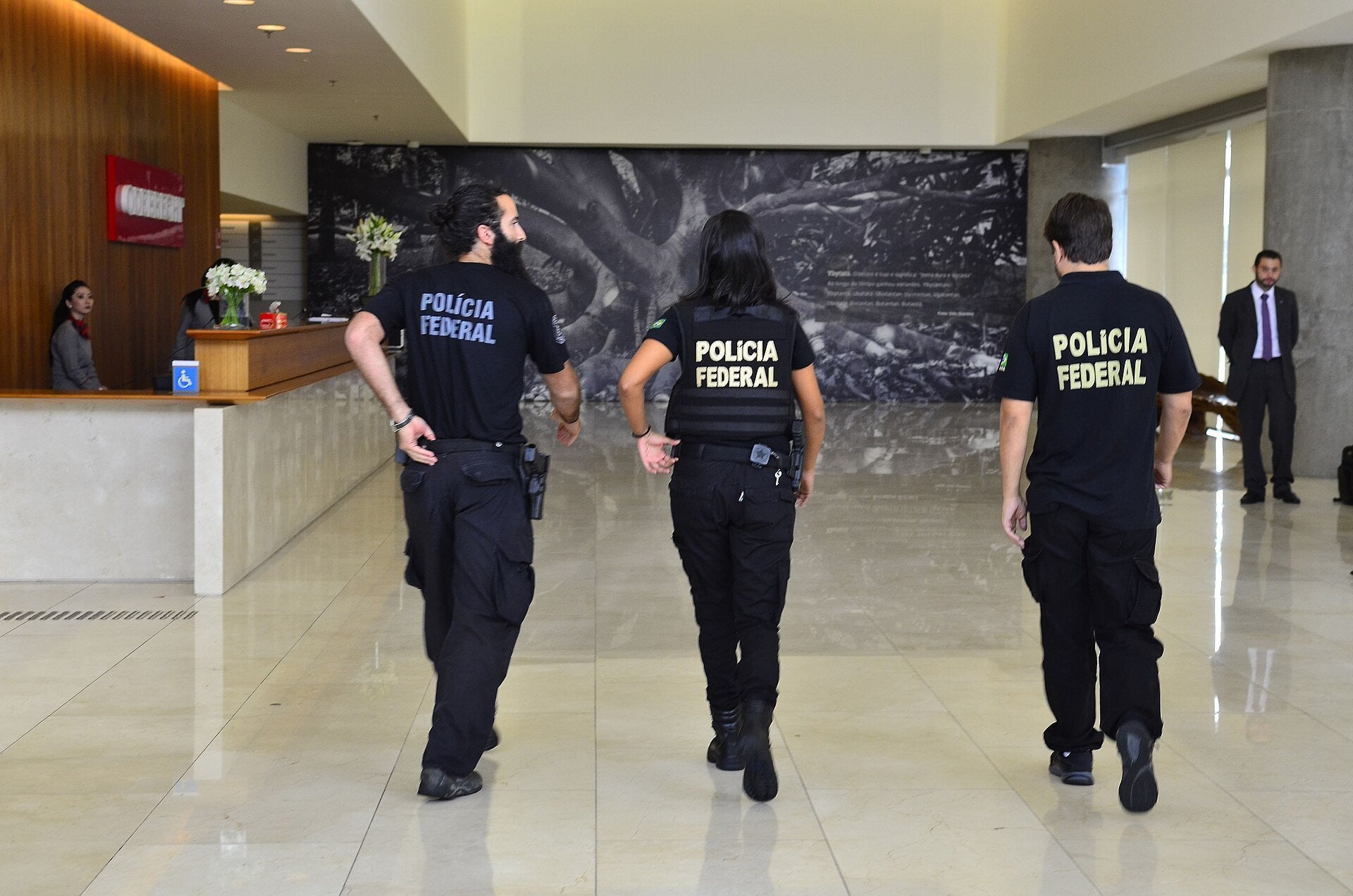
Federal Police made the claim as they raided the company across several states on August 13, 2026. Some of those tax IDs belonged to people who had died more than 20 years earlier.
What the Federal Police say Pixbet did
Investigators say the numbers, known in Brazil as CPFs, were slipped into paperwork for foreign-exchange deals. As a result, each dead person’s ID became a fake identity on transactions that moved money out of the country.
Police call this evasao de divisas, or the illegal export of currency. Moreover, they say it was paired with money laundering that routed funds to a tax haven.
The 549 dead people at the center of the case
The figure of 549 tax IDs comes straight from Federal Police documents, as reported by Brazil’s largest news outlets. For example, officers found the numbers scattered through financial records tied to the betting group.
What unsettled investigators is how old some of the records were. In several cases, the person whose ID was used had been dead for more than two decades.
Although the paperwork made them look active.
Operation Arena and the raids
The case is called Operacao Arena, and it went public on Thursday, August 13, 2026. Meanwhile, police carried out search-and-seizure orders in Paraiba, Sao Paulo and other states.
The betting group is headquartered in Paraiba, a northeastern state that has. In fact, become an unlikely hub for Brazil’s online gambling industry.
How Pixbet is said to have moved the money
Prosecutors describe a scheme built to hide where the cash came from and where it went. For instance, betting revenue was allegedly funneled through companies abroad and into cryptocurrency.
Much of the money, meanwhile, allegedly flowed to Curacao. A Caribbean island widely used as a tax haven and a base for offshore gambling firms.
The billion-real question about assets
A federal court in Paraiba authorized the freezing of up to R$1.1 billion. Or roughly US$212 million, in assets connected to those under investigation.
The order covers property and financial holdings. It is one of the largest asset freezes yet in a Brazilian betting case.
The size hints at how much money regulators believe passed through the network.
Two billion reais in suspicious flows
Brazil’s tax authority, the Receita Federal, said it spotted more than R$2 billion, about US$385 million, in suspicious transactions. Those movements span the years 2022 to 2025.
That figure sits above the frozen assets and captures the wider flow of cash, not just what officials could seize.
The license and the lingering doubts
Pixbet paid R$30 million, close to US$5.8 million, for its federal betting license in late 2024. It won national authorization to operate early the following year.
Still, tax officials have questioned whether that license fee itself was paid with illicit money. That suspicion is now part of the broader investigation.
Was Pixbet a victim or a player?
Police were careful about one point. They say there are signs the company was not simply a victim of identity theft.
But an active part of the fraudulent paperwork. Still, how the data of dead people was obtained remains unclear, investigators admit.
That thread is being pulled even so.
The government moves in parallel
On the same day as the raids, Brazil’s Finance Ministry suspended Pixbet’s license and barred it from taking new bets. Officials framed this as an administrative step, separate from the criminal case.
The company can honor bets already placed but cannot sign up fresh wagers while the suspension holds.
How Pixbet has responded
Pixbet’s defense said the company was caught by surprise and had not been given access to the order that authorized the operation. It has not issued a detailed rebuttal of the money-laundering claims.
In an earlier regulatory clash this year. The company stressed what it called an uncompromising commitment to legality and to following the rules.
A full answer to the criminal allegations has yet to come.
Frequently Asked Questions
What is Pixbet accused of?
Federal Police say Pixbet used the tax IDs of 549 deceased people to create false identities for unauthorized foreign-exchange deals. Part of an alleged scheme of illegal currency export and money laundering.
What is Operation Arena?
It is the Federal Police operation, launched on August 13, 2026. That targeted the betting group centered on Pixbet with raids across several Brazilian states.
How much money is involved?
A court authorized freezing up to R$1.1 billion (about US$212 million) in assets. And tax authorities flagged more than R$2 billion (about US$385 million) in suspicious transactions from 2022 to 2025.
Can people still bet on Pixbet?
No. Brazil’s Finance Ministry suspended the company’s license and barred it from accepting new bets. Though bets already placed can still be honored.
Sources: G1 (Globo); Veja; Folha de S.Paulo; Estadao; Poder360.