By The Rio Times | Created at 2026-08-10 09:21:41 | Updated at 2026-08-10 09:39:18
24 minutes ago
By The Rio Times | Created at 2026-08-10 09:21:41 | Updated at 2026-08-10 09:39:18
24 minutes ago
Brazil · Infrastructure
Key Facts
- Decree — The state of Bahia declares 384 hectares in Ilhéus for expropriation for Porto Sul.
- Financing — Brazil’s Merchant Marine Fund approved R$6.59 billion (US$1.29 billion) in July 2026.
- Rail link — Porto Sul is tied to the Fiol railway, which connects to iron ore mines in Caetité.
- Cargo mix — Mostly iron ore, plus grains and pulp from forestry.
- Investment — Building the port is estimated to cost R$5.6 billion (US$1.1 billion) over 25 years.
- Timeline — No updated start or finish date for construction has been shared yet.
- Licensing — The full licensing area covers about 1,860 hectares.
Bahia moves to secure land for the Porto Sul port complex, a key export corridor for iron ore, grains, and pulp.
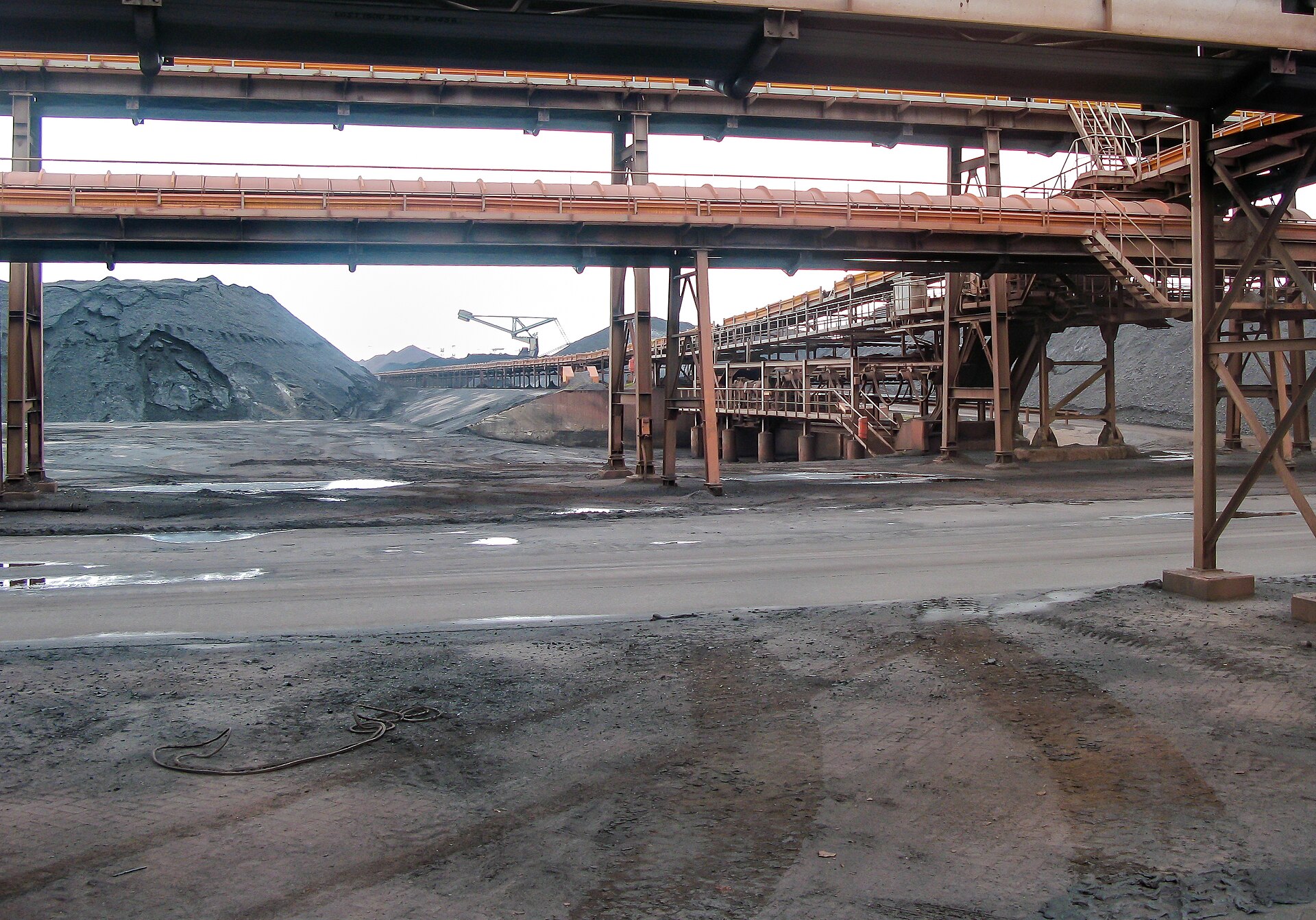
Bahia’s state government has declared 384 hectares of land in Ilhéus as public utility for expropriation, clearing a major hurdle for the long-delayed Porto Sul port complex. This private-use terminal, linked to the new Fiol railway, is designed mainly to export iron ore from the Pedra de Ferro mine in Caetité, plus grains and pulp. If you’re watching Brazil’s export logistics, this is a sign that the project is finally moving forward after years of stops and starts.
What the Expropriation Decree Means for Porto Sul
The decree, published on 8 August 2026, covers 18,601,123.8025 square metres in Ilhéus, which is about 384.34 hectares. That’s only part of the 1,860-hectare licensing area for Porto Sul, according to Agência Sertão.
Expropriation is a standard legal step to get land for infrastructure works. It doesn’t mean construction starts tomorrow, but it shows the state’s commitment to the project.
The declared land sits on the coast near the city of Ilhéus, where the port will need deep-water access. This move follows years of legal and environmental reviews that have shaped the project’s footprint.
The state government’s action also clarifies which plots are needed for the port’s terminals, access roads, and storage areas. This helps landowners know their options and gives the project a clearer path for the next phase.
Live Company IntelligencePorto Seguro S.A — the full investor dossierInside: live share price, market cap, three-year financials, valuation, ESG and peer benchmarks — plus the latest Rio Times coverage.P
◆ Live Company Intelligence
Porto Seguro
SA: PSSA3PSSA3Financial ServicesInsurance – Diversified13,491 employees
Valuation & profitability
Market capR$32.32B
Revenue (TTM)R$44.16B
P / E ratio8.9
Profit margin8.3%
Return on equity24.2%
Price & risk
52-wk low
$42.8752-wk high
$55.55
Beta (volatility)0.43
200-day average$50.13
Revenue trend · 6y
20202025
Latest R$42.75B
Ownership
Institutions15.2%
Shares outstanding641M
Dividend
No regular dividend — earnings reinvested for growth.
What Porto Seguro does. Porto Seguro S.A., together with its subsidiaries, provides a range of insurance products and services in Brazil and Uruguay. It offers auto, residential, travel, cell phone, life, motorcycle, notebook and tablet, photo and video, smart and games, bike, real estate, green card, bail, and moving insurance products, as well as reinsurance, combined…
The Financing Behind Porto Sul
In July 2026, Brazil’s Merchant Marine Fund, through its board CDFMM, approved R$6.59 billion (US$1.29 billion) for the Porto Sul private-use terminal. The approval was reported by Datamar News and Movimento Econômico on 21 July 2026.
That’s a financing approval, not a construction contract. The project has up to 450 days to formalise the loan, with a possible 180-day extension, as reported by Alo Alô Bahia.
A separate state development agency estimate puts construction investment at R$5.6 billion (US$1.1 billion) over 25 years. That money would cover port infrastructure, including docks, storage, and loading equipment.
The financing approval is a strong signal that the government sees the project as viable. It also puts pressure on the private partners to finalise the loan details and get moving.
Why Porto Sul Matters for Exporters
Porto Sul is meant to be the Atlantic exit for the Fiol railway, which runs from the iron ore mines in Caetité to the coast at Ilhéus. Right now, ore from that region has to take a long, slow route to other ports — which means more cost and more time.
Once running, Porto Sul will cut that journey dramatically. The port will handle iron ore as the main cargo, but it’s also planned for grains from the Cerrado and pulp from forestry projects.
That makes it a genuinely multi-commodity export hub.
For anyone involved in Brazilian agriculture or mining, this means a potential new way to ease pressure on crowded ports. It’s not just about iron ore; it’s about getting soy, corn, and cellulose to global markets more easily.
The shorter rail route also means lower fuel costs and less wear on trucks and roads. That could make Brazilian exports more competitive in tight global markets.
What’s Still Uncertain
The original contract for Porto Sul had hoped for operations by September 2026. But as Agência Sertão points out, no updated timeline has been shared for resumed works, maritime structures, or operations.
So don’t expect cargo to flow this year.
The expropriation decree is a big step, but the project still needs loan contracting, further approvals, and actual construction. Given the history of delays — the project has been talked about for over a decade — it’s wise to be a bit cautious.
Another unknown is how the financing will be disbursed and whether the R$6.59 billion will be enough, given inflation and potential cost overruns. The R$5.6 billion construction estimate from the state agency is separate and could change as detailed engineering progresses.
Why You Should Care
If you live in Latin America or invest in its export sectors, Porto Sul is a name to remember. A working deep-water port in Bahia could ease Brazil’s reliance on crowded southern ports and open new trade routes for iron ore, soy, and pulp.
For investors, the financing approval and land expropriation are positive signs. But the lack of a firm timetable means patience is key.
Watch for loan contract signing and the start of dredging and maritime works as the next milestones.
Frequently Asked Questions
What is Porto Sul?
Porto Sul is a planned private-use port terminal in Ilhéus, Bahia, linked to the Fiol railway. It’s designed mainly to export iron ore, plus grains and pulp.
How much financing has been approved?
Brazil’s Merchant Marine Fund approved R$6.59 billion (US$1.29 billion) in July 2026. The project has up to 450 days to formalise the loan contract.
When will Porto Sul start operating?
The original contract target was September 2026, but no updated timeline has been shared. Expropriation and financing are recent steps, but construction hasn’t fully restarted yet.
What cargo will Porto Sul handle?
The main cargo is iron ore from Caetité. It will also handle grains (like soy and corn) and pulp, making it a multi-commodity export hub.
Sources: Bahia state government; Merchant Marine Fund (CDFMM); Valor Econômico