By The Rio Times | Created at 2026-08-10 16:16:40 | Updated at 2026-08-10 17:20:21
1 hour ago
By The Rio Times | Created at 2026-08-10 16:16:40 | Updated at 2026-08-10 17:20:21
1 hour ago
Mexico · Culture
Key Facts
- Venue closure — Foro Cultural Karuzo, a beloved independent arts space, has shut its doors.
- Gentrification debate — Locals link the closure to rising property values and tourist-led redevelopment.
- Festival fallout — The city’s Festival de la Memoria was cancelled, then rescheduled for autumn.
- Artist crackdown — Urban performers report harassment and shrinking performance spaces in Centro Histórico.
- City response — Puebla plans to expand its registered artist roster despite the tensions.
- Historic centre — The Paseo del Río San Francisco project is a flashpoint for critics.
The reported closure of Foro Cultural Karuzo has ignited a wider debate about rising rents and cultural displacement in Puebla’s historic centre.
If you live in Puebla, you may have heard the whispers: Foro Cultural Karuzo, a scrappy independent arts venue in the heart of the city, has shut its doors. This closure isn’t official yet, but it’s already stirring a fierce debate about Puebla cultural venue gentrification. For expats and nomads drawn to the city’s street art and underground music, this feels personal. It’s a story about who gets to shape a city’s soul when money moves in.
One-stop reference
Company Intelligence
Every listed company in Latin America — financials, ownership and structure for 1,450+ companies across 26 exchanges, in one place.
What We Know About the Karuzo Closure: Puebla cultural venue gentrification
The research doesn’t confirm a formal closure notice from the venue. What’s clear is that local artists and residents treat the reported shut down as a warning sign.
They point to rising rents and an influx of tourist-focused businesses squeezing out long-time cultural spaces. Karuzo was known for small gigs, poetry nights, and community workshops.
Losing it, if confirmed, would leave a gap in the city’s alternative scene. The venue’s exact address and last event date remain unconfirmed in our reporting.
Artists in the area feel the pressure from property owners who see more profit in short-term rentals and souvenir shops. The closure is part of a pattern they’ve watched unfold over the last two years.
The Festival That Vanished Overnight
A related flashpoint came on 5 August 2026, when Puebla’s culture office announced the cancellation of the Festival de la Memoria 2026. It was a day before the set opening, and officials cited ’causas ajenas’ — external causes.
Later reports said the festival was reprogrammed for September or October. The original dates were 6–9 August.
The festival was meant to feature workshops, dialogue tables, and artistic presentations on historical memory in the Centro Histórico. Its abrupt cancellation, then quiet revival, has left many artists feeling sidelined.
Organisers had lined up local historians, community groups, and visual artists for the four-day programme. With new dates still vague, performers wait for official word.
One performer told local reporters that the cancellation felt like a way to sidestep controversy. They said arts events are welcome when they draw crowds, but not when they raise hard questions about the city’s direction.
Street Artists Under Pressure
In late July, urban artists in Puebla complained that their authorised performance spaces in the Centro Histórico were shrinking. Some reported harassment, intimidation, and even aggression during shows.
The city’s municipal arts office is now updating rules for its 152 registered artists. One report suggested expansion of the roster by 60 percent, from 40 to 64 formal creators, and new categories.
But artists say the real problem isn’t numbers — it’s respect and secure spaces to perform. The new categories could include muralists and living statue performers, but many remain sceptical.
Without clear enforcement of existing rules, more paperwork won’t protect them on the streets. Several performers say they’ve been chased from corners they used for years, with no notice.
Some have started using private patios and rooftops for shows, but those spaces cost money. This makes it harder for newer artists to find a stage, especially those who can’t afford high fees.
The Gentrification Elephant: Paseo del Río San Francisco
Critics tie the Karuzo closure and artist struggles to a bigger project: the Paseo del Río San Francisco redevelopment, backed by Carlos Slim’s group. Plans include a shopping centre, apartments, and reactivation of vacant commercial space along the river.
Academics quoted in InfoQuorum describe this as ’gentrificación fallida’ — failed gentrification. They argue similar historic-centre policies across Mexico have boosted tourism investment and property values while squeezing out lower-income residents and traditional merchants.
The project has already cleared several blocks of older buildings near the river, and construction hoardings now line parts of the waterway. Locals worry the area’s character is being flattened into a generic commercial corridor.
Independent venues like Karuzo find little room to survive in that landscape. Tourists may see cleaner sidewalks, but residents lose familiar gathering spots.
One local historian noted that the river once served as a meeting point for communities. Now it’s a symbol of how development can wipe memory as easily as it pours concrete.
A Bigger Debate
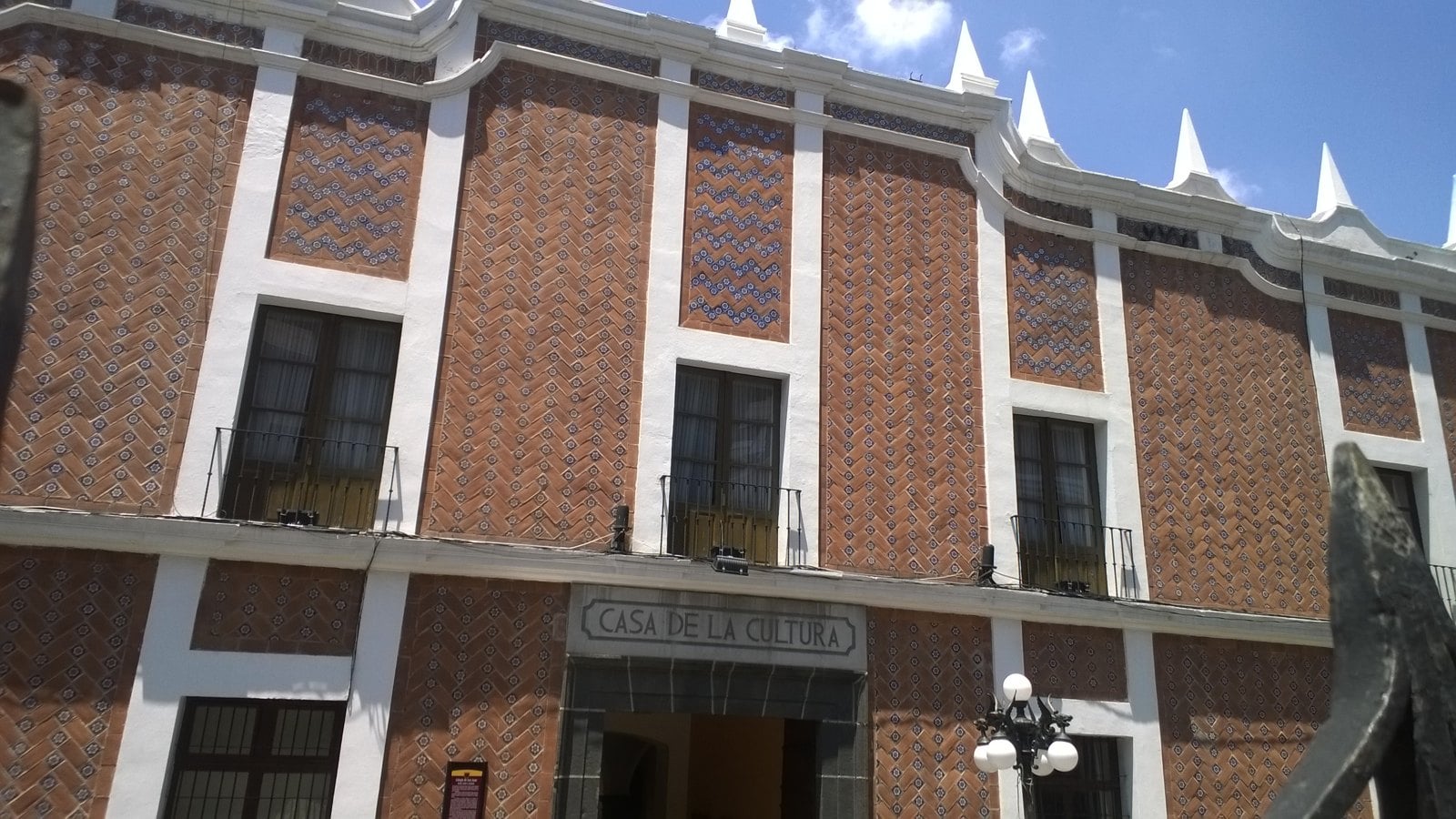
Puebla is famous for its tiled facades and its food, above all mole poblano. It draws weekend visitors from the capital two hours away.
For newcomers weighing a move, the debate is a useful signal. A city’s charm can fade fast when locals get priced out.
Why This Matters for You
If you’re an expat or nomad in Puebla, this isn’t just local politics. The city’s charm — its tiled facades, bustling markets, and lively arts scene — is exactly what drew you here.
When venues like Karuzo disappear, the city risks becoming a polished shell for tourists, not a living community. You can still support local artists by attending open mics, buying from street vendors, and following the municipal arts office’s updates for new performance rules.
And if the Festival de la Memoria returns in September or October, go. It’s a rare chance to hear Puebla’s own stories.
Beyond that, consider joining neighbourhood meetings about the river project. Sharing your voice as a resident — not just a visitor — can help keep the city’s soul intact.
Frequently Asked Questions
Is Foro Cultural Karuzo really closed?
Reports suggest it has closed, but there’s no official confirmation yet. Local artists and media are treating it as a real loss, tied to broader gentrification pressures.
What happened with the Festival de la Memoria 2026?
It was cancelled on 5 August, a day before opening, citing ’external causes’. Later reports say it’s reprogrammed for September or October, though details are thin.
How can I attend or support Puebla’s arts scene?
Check the municipal arts office’s listings for registered artists and new performance rules. Attend community murals under the Senderos de Paz project, and buy directly from street vendors and performers.
What is the Paseo del Río San Francisco project?
It’s a redevelopment plan along the San Francisco river, including shops and apartments. Critics say it’s a prime example of gentrification that displaces traditional communities.
Sources: Periodicoenfoque, Tribunanoticias, Gob, Youtube, Infoquorum