By The Rio Times | Created at 2026-09-15 08:11:52 | Updated at 2026-09-15 11:38:24
4 hours ago
By The Rio Times | Created at 2026-09-15 08:11:52 | Updated at 2026-09-15 11:38:24
4 hours ago
ECUADOR · QUITO
Key Facts
- —What happened A fire broke out at about 3pm on Monday 14 September in La Bota, a neighbourhood in the north of Quito.
- —When it ended It was brought under control around midnight.
- —The response Fifty-eight personnel, 21 vehicles, the helicopter Argus and twelve water drops.
- —Who moved Twenty-three families were evacuated as a precaution.
- —The smoke The city says 63 neighbourhoods could be affected by smoke. A further 698 are under surveillance, which is not the same thing.
- —The season Quito has recorded 154 fires and 1,118 hectares burned citywide between 1 July and early September.
A hillside above northern Quito burned for nine hours on Monday. Twenty-three families left their homes.
One-stop reference
Company Intelligence
Every listed company in Latin America — financials, ownership and structure for 1,450+ companies across 26 exchanges, in one place.
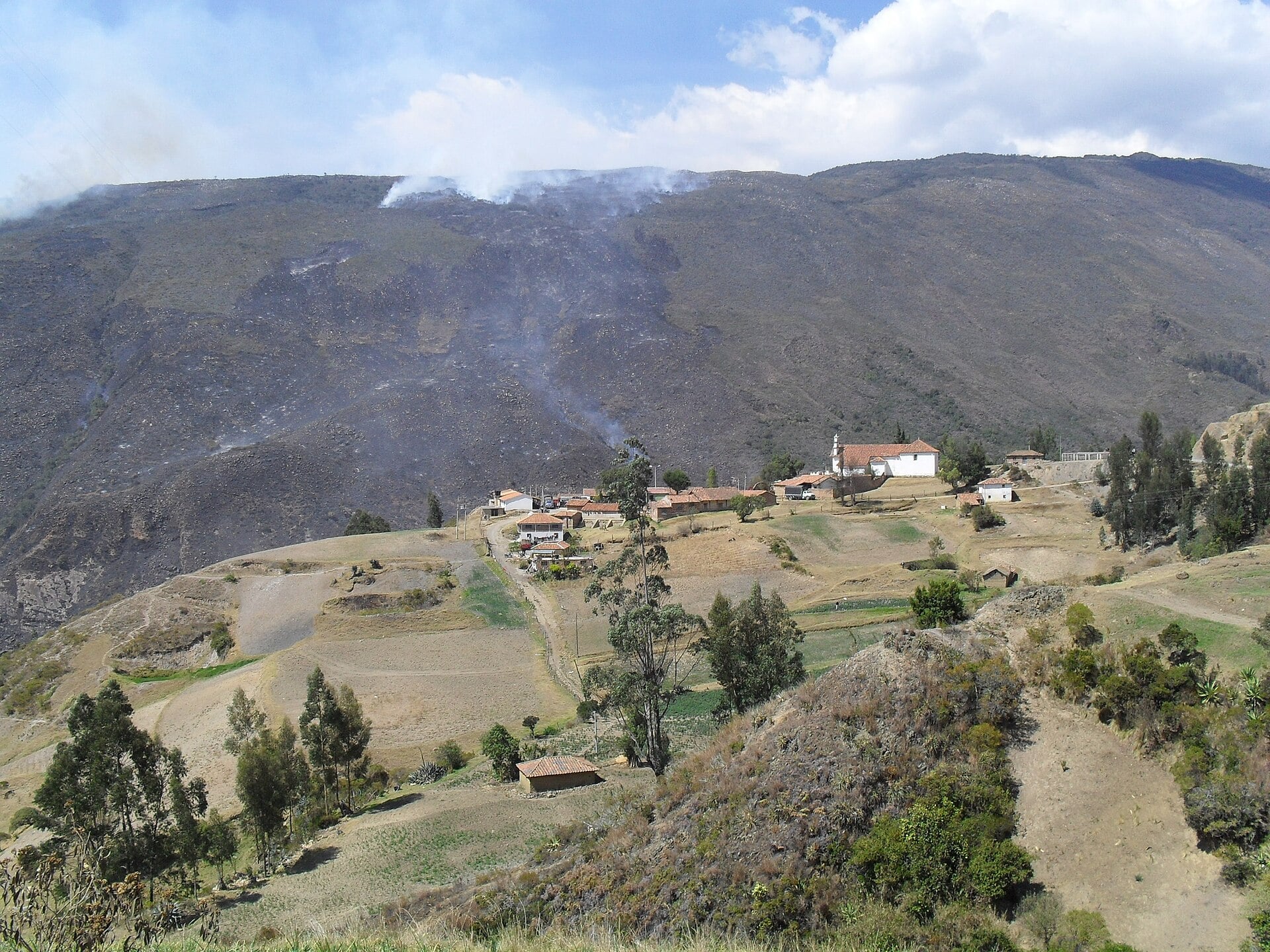
A fire in the La Bota neighbourhood of northern Quito began at about 3pm on Monday 14 September. It was brought under control around midnight. Twenty-three families were evacuated as a precaution.
The Fire
La Bota sits on the northern edge of Quito, on slopes that rise away from the valley floor.
The fire started at around 3pm and burned for roughly nine hours.
Fifty-eight personnel and 21 vehicles were deployed, supported by the municipal helicopter Argus.
Argus made twelve water drops. The fire was declared controlled around midnight.
Who Left
Twenty-three families were evacuated. The evacuation was precautionary rather than a response to homes being alight.
Quito’s protocol moves households out when a fire front comes within a set distance of housing. It applies whether or not the fire is advancing on them.
The Ministry of Public Health deployed mobile brigades on 14 September to handle smoke inhalation and related complaints.
No deaths or serious injuries have been reported.
Two Numbers That Are Not the Same
The city said 63 neighbourhoods could be affected by smoke from the fire.
It also said 698 neighbourhoods are under surveillance. That is a monitoring list covering the whole city during fire season.
Those two figures have been merged in some coverage into a claim that 698 neighbourhoods were affected. They were not.
Surveillance means the municipal risk agency is watching. Affected means smoke reached the area.
A Second Fire the Day Before
On Sunday 13 September a separate fire burned in the La Vicentina and Itchimbía areas, closer to the historic centre.
Itchimbía is a park on a hill overlooking colonial Quito and is one of the city’s most visited viewpoints.
The two fires were not connected and were fought by separate deployments.
Both fall within the pattern of the current dry season.
Why Quito Burns in September
Quito sits at 2,850 metres in a valley flanked by steep, grass-covered slopes.
The dry season runs from roughly June to September, and the vegetation on those slopes cures into fuel.
Much of it is eucalyptus and introduced pasture grass, both of which burn faster and hotter than the native vegetation they replaced.
Most fires in the city are started by people, whether through burning refuse, agricultural clearing or discarded cigarettes.
The Season So Far
Between 1 July and early September, Quito recorded 154 fires across the metropolitan district.
Those burned 1,118 hectares in total.
That figure is a citywide seasonal total and does not describe the La Bota fire, which was a fraction of it.
Ecuador’s national fire statistics are published by the Servicio Nacional de Gestión de Riesgos.

What It Means for Residents and Visitors
Smoke from hillside fires settles in the valley overnight and clears through the morning.
Anyone with respiratory sensitivity is advised to stay indoors on affected evenings. The health ministry’s mobile brigades are the first point of contact.
Quito’s airport is at Tababela, outside the valley, and was not affected.
Hiking on the slopes around the city is restricted during high-risk periods, and the restrictions are enforced.
What to Watch
The end of the dry season, usually in October, which is what actually ends the fire risk.
Whether the La Bota site reignites, which is common on slopes where roots continue to smoulder.
Municipal restrictions on access to hillside parks.
And the seasonal total, which the city updates through the end of the period.
More: Latin America news, every day from The Rio Times.
Frequently Asked Questions
Where was the Quito fire?
In La Bota, a neighbourhood on the northern edge of Quito. It began at about 3pm on Monday 14 September.
When was it controlled?
Around midnight, after roughly nine hours.
How many people were evacuated?
Twenty-three families, as a precaution.
What was the response?
Fifty-eight personnel, 21 vehicles and the helicopter Argus, which made twelve water drops.
How many neighbourhoods were affected?
The city said 63 could be affected by smoke. A separate figure of 698 refers to neighbourhoods under citywide surveillance.
How bad has the season been?
Quito recorded 154 fires and 1,118 hectares burned between 1 July and early September, across the whole metropolitan district.
Sources: Cuerpo de Bomberos de Quito, Municipio del Distrito Metropolitano de Quito, Ministerio de Salud Pública del Ecuador, El Comercio, Primicias.