By The Rio Times | Created at 2026-08-12 21:06:45 | Updated at 2026-08-12 23:52:55
2 hours ago
By The Rio Times | Created at 2026-08-12 21:06:45 | Updated at 2026-08-12 23:52:55
2 hours ago
Guyana · Accountability
Key Facts
- —The disaster The MV Barima sank on July 18 with 179 people aboard.
- —The toll Reporting cited 76 rescued, 72 dead and 30 missing by early August.
- —The records Maintenance logs from November 2025 to March 2026 documented serious defects.
- —The faults They included an out-of-service generator, overheating machinery and a leaking engine exhaust.
- —The question Some entries were marked urgent, raising why the vessel kept sailing.
Maintenance logs describe urgent, unfixed defects on the Guyanese ferry long before the disaster that killed dozens.
One-stop reference
Company Intelligence
Every listed company in Latin America — financials, ownership and structure for 1,450+ companies across 26 exchanges, in one place.
When the MV Barima went down off Guyana on July 18, it looked like a sudden tragedy. Maintenance records tell a slower, harder story: the ferry’s serious faults were documented for months before it sank.
Some of them flagged as urgent.
What happened to the MV Barima
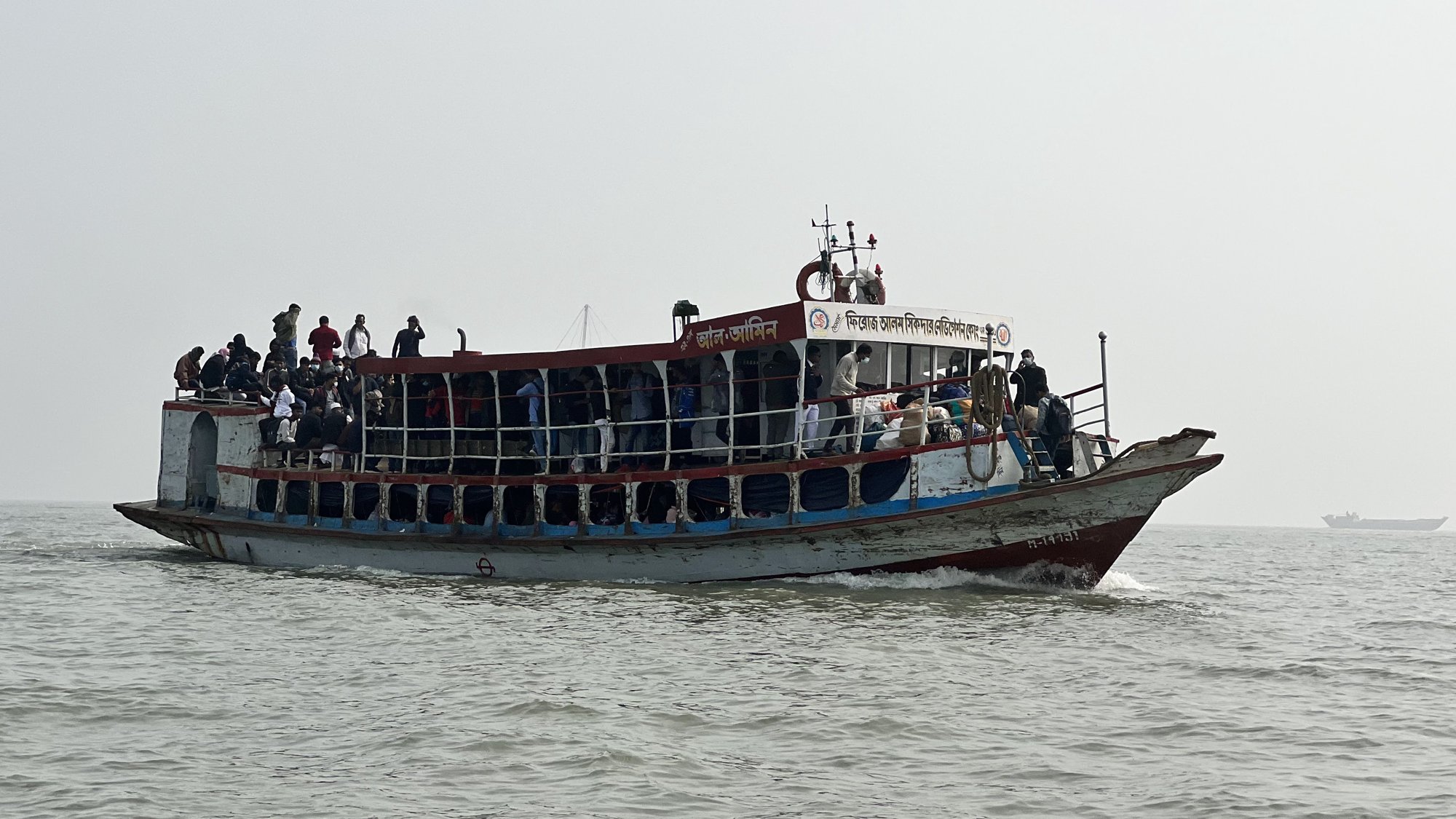
The MV Barima sank on July 18 with 179 people aboard, one of Guyana’s worst recent maritime disasters. By early August, reporting cited 76 people rescued, 72 confirmed dead and 30 still missing.
The scale of loss turned attention quickly to how such a thing could happen.
A paper trail of problems
The most troubling evidence sits in the vessel’s own maintenance records. Logs covering November 2025 to March 2026 describe a string of mechanical failures.
This was not a boat in sudden distress; it was one with a documented history of trouble.
The defects on the list
The records paint a grim picture of the ferry’s condition. They describe an out-of-service generator, overheating machinery, a leaking main-engine exhaust and defective cooling equipment.
Electrical failures also featured, and several entries were marked urgent.
The word that changes everything: ‘urgent’
A defect noted in passing is one thing. A defect marked urgent is another.
It implies someone knew the problem was serious and pressing. That is what turns a maintenance file into a question of accountability.
What is verified, and what is not
It is important to be careful here. The records themselves are documented, and the sinking is beyond dispute.
But whether warnings were deliberately ‘ignored’ depends on who received them and what they decided. That is a question for an official investigation, not a maintenance log alone.
A familiar pattern in transport disasters
Sadly, the shape of this story is common. Many transport tragedies are preceded by documented, unheeded warnings.
Cost, pressure to keep services running and diffuse responsibility often combine. The result is a known risk that is tolerated until it becomes a catastrophe.
Why it matters for Guyana
Guyana is booming on oil wealth, but ferries remain a lifeline for many communities. Public trust in that transport depends on knowing safety is taken seriously.
A disaster tied to ignored defects strikes at that trust directly.
The push for answers
Families of the victims are owed a clear account of what went wrong. An honest inquiry would establish who saw the warnings and why the vessel kept sailing.
Accountability is not only about blame; it is about preventing the next disaster.
What to watch next
The key is the official investigation and whether it confirms the maintenance findings. Also watch for any changes to Guyana’s ferry oversight and inspection rules.
For the families, the priority is simpler: the truth, and that it never happens again.
A lifeline turned deadly
For Guyana’s riverine and coastal communities, ferries are not a convenience but a necessity. They carry people, goods and vehicles where roads simply do not reach.
That dependence is exactly why safety failures on such vessels carry such a heavy human cost.
The oil-wealth contrast
The tragedy lands amid a jarring contrast. Guyana is suddenly one of the world’s fastest-growing economies, thanks to offshore oil.
Yet the everyday infrastructure many citizens rely on has not kept pace with that windfall. A nation earning billions from crude still lost dozens of people on an ageing ferry.
From records to reform
Documented defects are only useful if they drive change. The value of a maintenance log is in acting on it.
Investigators will now ask whether Guyana’s inspection and oversight system failed alongside the vessel. The answer will shape how the country protects passengers in the future.
Frequently Asked Questions
What was the MV Barima?
It was a Guyanese ferry that sank on July 18 with 179 people aboard. In one of the country’s worst recent maritime disasters.
How many people died?
Reporting cited 76 rescued, 72 dead and 30 missing by early August.
What did the records show?
Maintenance logs from November 2025 to March 2026 documented serious defects. Including an out-of-service generator and a leaking engine exhaust, some marked urgent.
Were the warnings ignored?
That specific claim is not yet proven. It depends on who received the reports and chose to keep the vessel sailing, a question for an official inquiry.
Why does it matter?
Ferries are a lifeline in Guyana, and a disaster tied to documented, unheeded faults undermines public trust in transport safety.
Sources: Kaieteur News; Guyanese authorities; local reporting.