By The Rio Times | Created at 2026-09-18 17:11:36 | Updated at 2026-09-18 23:19:55
6 hours ago
By The Rio Times | Created at 2026-09-18 17:11:36 | Updated at 2026-09-18 23:19:55
6 hours ago
MOROCCO · ART
Key Facts
- —The dates The festival runs from Wednesday 7 to Saturday 10 October 2026.
- —The venue It is held at Meydene, on M Avenue in the Guéliz district of Marrakech.
- —The edition This is the sixth edition. The festival has existed since 2016.
- —The theme The 2026 theme is Deux siècles de lumière, or Two Centuries of Light.
- —Who runs it Voix Plurielles of Casablanca and Cultures Nomades Production of Arles organise it.
The Rencontres de la Photographie Marrakech marks photography’s bicentenary. It runs for four days in Guéliz.
One-stop reference
Company Intelligence
Every listed company in Latin America — financials, ownership and structure for 1,450+ companies across 26 exchanges, in one place.
What Is Confirmed
The Rencontres de la Photographie Marrakech runs in Morocco from Wednesday 7 to Saturday 10 October 2026. It is the sixth edition.
The venue is Meydene, on M Avenue in Guéliz, the modern district west of the medina.
The theme is Deux siècles de lumière, or Two Centuries of Light, marking two hundred years of photography.
Voix Plurielles, based in Casablanca, and Cultures Nomades Production, based in Arles, organise the festival together.
How the Programme Is Built
The festival runs on exhibitions, screenings, conferences, workshops and professional meetings. It is a working festival rather than a gallery show.
An international call for projects selects part of the programme. Entrants submit documentary, conceptual, intimate or committed work in which light plays a central role.
Twenty laureates each show five works at the Galerie Triptyque in Arles and produce a three-minute video screened in Marrakech.
Thirty finalists receive a two-minute projection and have their full series published on the festival platform.
The Arles connection runs through the whole structure. The Marrakech festival is tied to the French photography circuit rather than standing apart from it.
Where It Sits in Moroccan Culture
Marrakech carries several international festivals, and most of them are built around film or music. A photography festival at this scale is less usual.
The programme has a consistent southward and eastward focus. Previous editions have paired Moroccan photographers with Chinese, African and Mediterranean work.
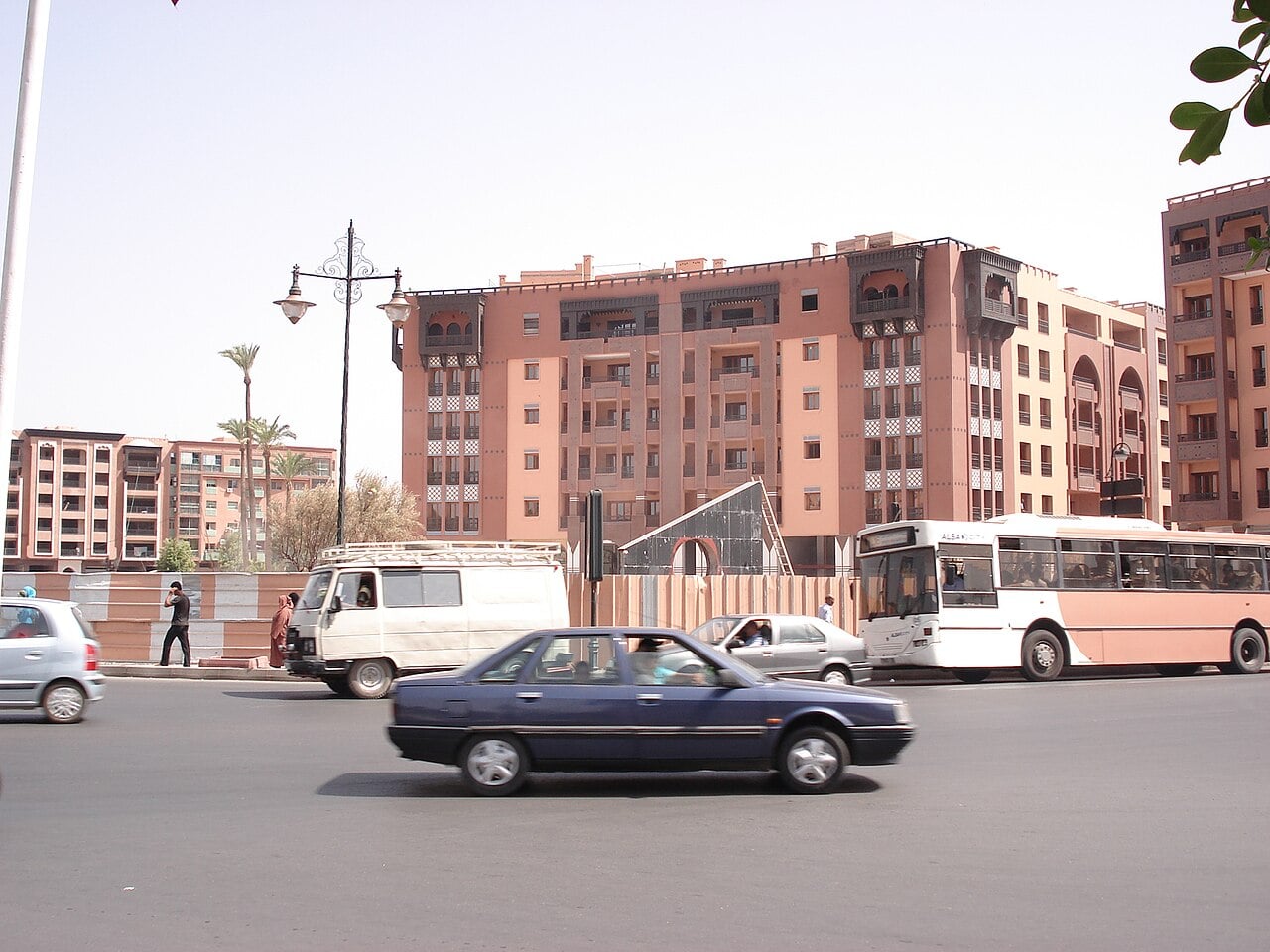
Guéliz rather than the medina is the deliberate setting. The district is where the city’s contemporary galleries and cultural venues sit.
A bicentenary theme also gives the edition a wider frame than a national one. Two hundred years of photography is a subject no single country owns.
The festival has run since 2016 and positions itself as a platform for contemporary creation rather than a heritage exhibition.
Ten years is long enough for a festival to build a circuit of its own. The Arles partnership is what gives this one reach beyond Morocco.
Marrakech also carries a large seasonal visitor population in October. A festival in that month reaches an audience that is only partly local.
That mix is visible in the programming. Moroccan photographers are shown alongside international work rather than in a national section.
What It Means If You Live in Morocco
For foreign residents in Marrakech, four days of exhibitions and talks in one building is an unusually concentrated cultural programme.
Guéliz is walkable and served by the city’s main avenues. Meydene sits on M Avenue rather than deep in the medina, so access is straightforward.
Early October in Marrakech is warm rather than hot. It is among the better months for spending a day moving between indoor and outdoor spaces.
The professional meetings are aimed at photographers and curators rather than the general public. The exhibitions and screenings are the accessible half.
Four days is also short for a festival of this kind. Anyone intending to see the whole programme should treat it as a full weekend rather than an afternoon.
For anyone working in images in Morocco, the call for projects is the more useful part of the festival than the visit itself.
What Is Not Published
Entry prices, or whether entry is free, had not been published at the time of writing.
Daily opening hours were also unstated, as was the schedule of talks and screenings.
The full list of exhibiting photographers had not been consolidated in one public place.
The dates, the venue, the theme and the organisers are confirmed, and the call for projects is the part with published mechanics.
Whether the festival keeps its October slot in later years is also unsettled. Earlier editions ran in late October rather than at the start of the month.
For visitors planning around it, the four dates are firm and everything built on top of them arrives closer to the week.
The Arles side of the programme runs on its own calendar in July, before the Marrakech dates. The two halves are announced separately.
Anyone submitting work should therefore watch the call for projects rather than the festival dates. The submission deadline is the date that matters for photographers.
Sources
- Rencontres de la Photographie de Marrakech — official site
- LeBrief — Rencontres de la Photographie Marrakech 2026 du 7 au 10 octobre
- Femmes du Maroc — Les Rencontres de la Photographie de Marrakech célèbrent Deux siècles de lumière
Frequently Asked Questions
Frequently Asked Questions
When and where is the Rencontres de la Photographie Marrakech 2026?
From Wednesday 7 to Saturday 10 October 2026 at Meydene, on M Avenue in the Guéliz district of Marrakech.
What is the theme?
Deux siècles de lumière, or Two Centuries of Light, marking two hundred years of photography.
Who organises it?
Voix Plurielles of Casablanca and Cultures Nomades Production of Arles. This is the sixth edition; the festival has run since 2016.
How does the call for projects work?
Twenty laureates each exhibit five works at the Galerie Triptyque in Arles and have a three-minute video screened in Marrakech. Thirty finalists get a two-minute projection and a published series.