 By The Epoch Times | Created at 2026-08-11 17:31:53 | Updated at 2026-08-11 17:40:11
21 minutes ago
By The Epoch Times | Created at 2026-08-11 17:31:53 | Updated at 2026-08-11 17:40:11
21 minutes ago
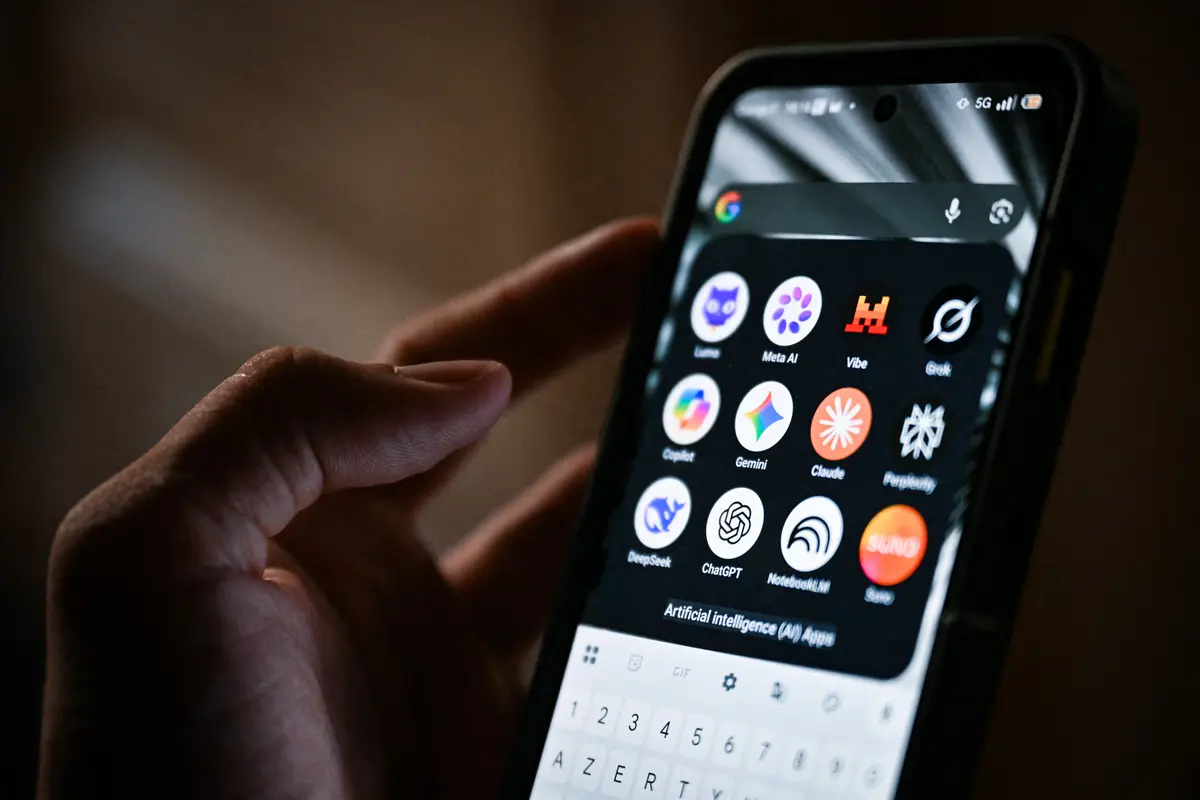
A smartphone displays the icons of some of the main artificial intelligence based apps, including Meta AI, Grok, Gemini, Perplexity, DeepSeek, and ChatGPT, in Saint-Mande, France, on July 15, 2026. Martin Lelievre/AFP via Getty Images
A new report found that Americans are continuing to get bombarded by robocalls, with more than 4 billion recorded in July, according to blocking service YouMail.
There were 4.3 billion robocalls received across the United States last month, said YouMail in a news release.
On average, July saw 139.3 million robocalls per day and 1,612 robocalls per second, which is slightly lower than the 141.8 million robocalls per day, and 1,642 calls per second recorded in June.
Unwanted robocalls also increased by nearly 6 percent in July 2026 as consumers received more than 2.1 billion such calls that month, it said.
According to the report, about 51 percent of robocalls were likely wanted, and 49 percent were likely unwanted.
“Monthly robocall volumes have been slowly creeping upward, and we’re more than 15 percent above the lowest levels we saw last October,” said YouMail CEO Alex Quilici in a statement, noting “the dangers of scam calls” despite robocall activity being “much lower than historic levels.”
YouMail said that the “most problematic robocall campaigns” in July revolved around pre-approved loan officers that claim to inform a consumer that they have qualified for a loan with relatively low monthly payments.
“Hi, this is Cornelius about your recent personal loan inquiry,” said an example of a robocall on loans, provided by the company.
“I’m happy to share that you’ve qualified for up to $45,000 with monthly payments around $575. I want to take a few minutes to go through the details with you and answer any questions before we get the paperwork started.”
That campaign, YouMail said, originated from thousands of separate phone numbers and used a “small set of recurring caller names” with different loan amounts, payment terms, and contact numbers.
More than 40 million calls were generated from the campaign last month, according to YouMail.
Consumers, meanwhile, have reported the loan-related calls as likely spam and said they never asked about or applied for a loan.
According to YouMail, area codes in the United States that saw the largest increases in robocalls in July were: area code 346 in Houston, Texas; area code 470 in Atlanta, Georgia; area code 229 in Albany, Georgia; area code 765 in Indianapolis, Indiana; area code 901 in Memphis, Tennessee; area code 812 in Evansville, Indiana; area code 720 in Denver, Colorado; area code 870 in Jonesboro, Arkansas; area code 931 in Clarksville, Tennessee; and area code 254 in Killeen, Texas.
“As with similar campaigns, this appears to be, at a minimum, illegal telemarketing at scale,” the company said. “Based on consumer reports and the behavior of the calls, it’s likely to be a scam.”
Earlier this month, a bill to reduce robocalls passed in the Senate that cracks down on calls originating from outside the United States.
“As foreign robocallers step up their efforts to exploit and prey on vulnerable people, we need to do more to combat this unlawful practice and protect Americans from scams,” said Sen. Peter Welch (D-Va.) in a statement.
Consumers can opt into the National Do Not Call Registry, a federal government database that lists phone numbers of people who have requested that telemarketers not contact them.